Rotterdam jewelry theft: €67,000 heist rocks care homes
Rotterdam jewelry theft from care homes by a worker raises serious safety concerns for elderly residents.

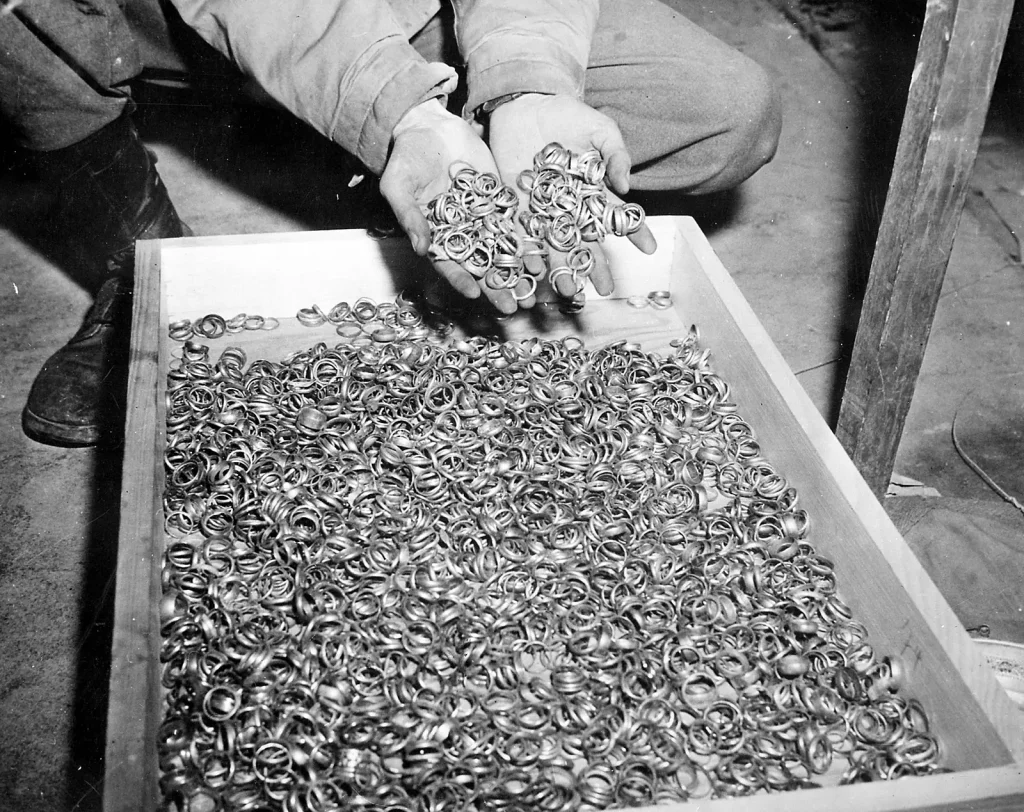
A care worker in Rotterdam has been arrested for stealing jewelry worth €67,000 from elderly residents, raising safety concerns.
The Rotterdam jewelry theft involving valuables has rocked local care homes. This incident has raised serious concerns about the safety and trust within these facilities.
A care worker has been arrested for stealing jewelry from elderly residents. She reportedly sold the stolen jewelry to gold buyers, where they were melted down, making recovery unlikely. This troubling case highlights vulnerabilities among the elderly in care environments.
Details of the Theft
The theft was uncovered during an investigation. The police revealed that the care worker had been systematically stealing jewelry from multiple residents. These items were then sold to gold dealers, leading to their destruction.
This situation underscores the need for enhanced security measures in care facilities.
Impact on Care Homes
The Rotterdam jewelry theft incident has amplified existing concerns about the safety of elderly residents. Care homes are meant to be secure environments, yet this case reveals significant gaps in security protocols.
The police are working with care facilities to improve security and prevent future incidents. This includes implementing stricter background checks on employees and installing surveillance systems.
Local authorities are also reaching out to families to reassure them about the steps being taken to protect their loved ones. This case serves as a wake-up call for care facilities across the Netherlands.
In response, the community has expressed outrage and disappointment. Many are calling for immediate action to prevent such breaches of trust. There is a growing demand for accountability and transparency from care institutions.
The incident has also sparked discussions on the broader societal responsibility to protect vulnerable populations. Ensuring the safety of elderly residents is now a top priority for care home administrators.
As the investigation continues, authorities are urging anyone with information to come forward. They are particularly interested in hearing from those who may have unknowingly purchased stolen items.
Meanwhile, families affected by the theft are being offered support and counseling. The emotional impact of such violations can be profound, especially for elderly individuals who may feel violated and unsafe.
Background
The issue of trust and safety in care homes is not new. Previous incidents have highlighted similar vulnerabilities, prompting calls for reform. However, this recent case has intensified the urgency for change.
Rotterdam, known for its vibrant culture and community spirit, now faces a challenge in restoring faith in its care facilities. The city is committed to addressing these issues head-on to ensure the well-being of its elderly residents.
What Happens Next
Moving forward, the focus will be on implementing effective measures to prevent further incidents. This includes training staff on ethical practices and enhancing security protocols.
Authorities are also considering legislative changes to hold care facilities accountable for security breaches. These changes aim to provide a safer environment for all residents.
As Rotterdam works to rebuild trust, it sets a precedent for other cities to follow. The lessons learned from this incident could lead to nationwide improvements in care home safety standards.
Overall, the Rotterdam jewelry theft serves as a stark reminder of the importance of vigilance and responsibility in protecting vulnerable populations.