Heat smog pollen risks trigger RIVM warning for vulnerable groups
The RIVM warns of health risks as heat, smog, and pollen combine this weekend, advising vulnerable groups to limit exposure.

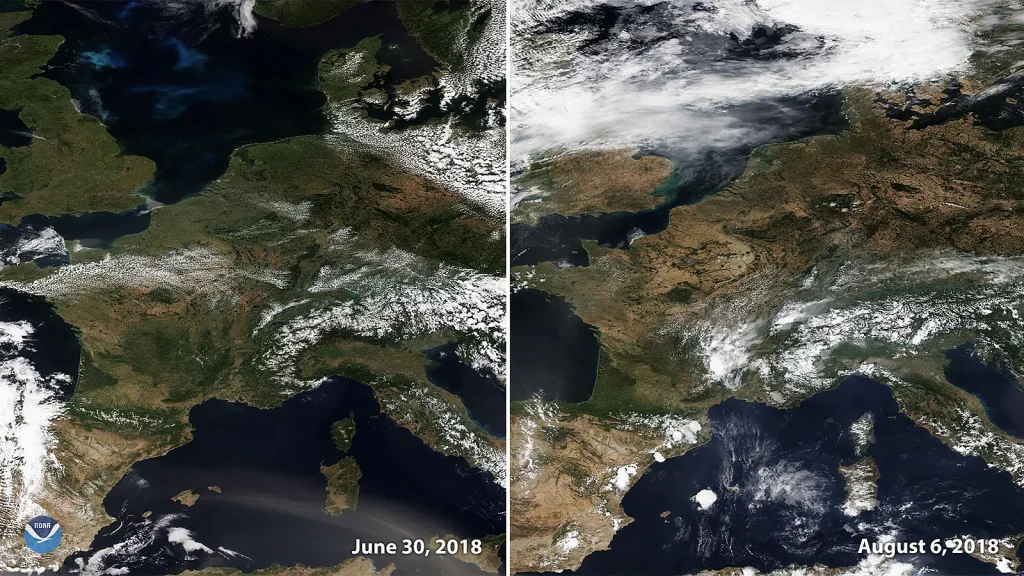
RIVM advises caution as heat, smog, and pollen threaten health this weekend.
This weekend, the Netherlands faces a challenging blend of heat, smog, and pollen, raising concerns for public health. The National Institute for Public Health (RIVM) has issued a warning, particularly for vulnerable groups such as the elderly, young children, and those with respiratory conditions. The combination of these elements can significantly degrade air quality, exacerbating symptoms for those already at risk.
RIVM Issues Health Warning
RIVM, the Dutch national health authority, has alerted the public to the potential health impacts of this weather combination. As temperatures rise, smog levels may increase, leading to poor air quality. This situation is further complicated by high pollen counts, which can trigger allergic reactions and worsen respiratory issues.
In response, the RIVM advises vulnerable individuals to limit their outdoor activities during peak heat and smog hours. “It’s crucial for people at risk to stay informed and take preventive measures,” said a spokesperson from RIVM. The agency recommends keeping windows closed during high-smog periods and using air purifiers if available.
Potential Health Impacts
The combination of heat, smog, and pollen presents several health risks. For those with asthma or other respiratory conditions, the inhalation of pollutants and allergens can lead to increased breathing difficulties. high temperatures can lead to dehydration and heatstroke, especially among the elderly and very young.
Authorities stress the importance of staying hydrated and seeking shade when outdoors. Monitoring local air quality reports and pollen forecasts can aid in planning safer outdoor activities. The RIVM provides updates and guidance on its website, helping residents stay informed.
Several municipalities have also issued alerts, encouraging residents to check local advisories and act accordingly. For those in urban areas, where smog levels can be higher, the advice is particularly pertinent.
Background on Air Quality Challenges
Air quality in the Netherlands can fluctuate due to various environmental factors. During warm periods, pollutants from vehicles and industry can lead to increased smog formation. This, combined with pollen from blooming plants, creates a challenging environment for those with health vulnerabilities.
Previous instances of similar weather conditions have prompted calls for better urban planning and increased green spaces to help mitigate pollution levels. Efforts to reduce emissions have been ongoing, with mixed results in urban areas.
What Happens Next
As the weekend progresses, the RIVM will continue to monitor air quality and provide updates. Residents are encouraged to follow health advisories and adjust their plans to ensure safety. The agency also highlights the importance of community support, urging neighbors to check on those who may be more affected by the conditions.
Looking ahead, the RIVM and other agencies plan to study the effects of such weather combinations to improve future response strategies. This includes exploring long-term solutions to enhance air quality and reduce health risks during extreme weather events.
For more information on current air quality and health advice, visit the RIVM website and stay updated with local weather forecasts.