Ter Apel asylum housing crisis: Groningen extends stay by night
Ter Apel faces continued asylum seeker housing challenges. Groningen extends emergency stay by one night, but long-term solutions are needed.

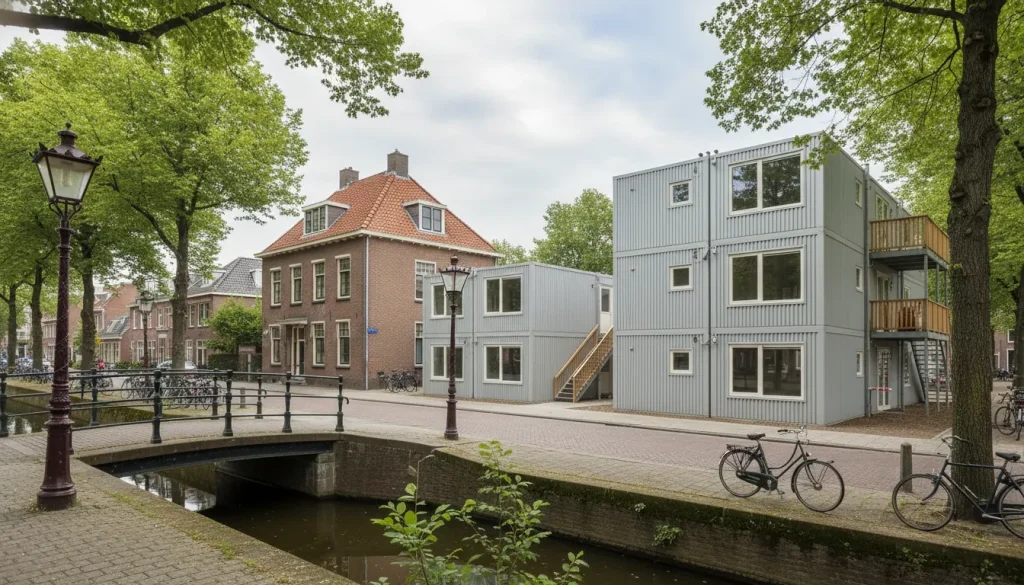
Groningen offers emergency housing for asylum seekers in Ter Apel, highlighting urgent need for long-term solutions.
The ongoing asylum seeker crisis in Ter Apel, a small village in the groningen/”>Groningen province, highlights the urgent need for sustainable housing solutions. The overcrowded registration center continues to struggle with the influx of people seeking refuge. In response, Groningen has extended its emergency housing offer by one more night at the Hanze Plaza conference center.
Temporary Measures Extended
The Ministry of Asylum requested this extension due to the rising number of asylum seekers needing accommodation. This temporary measure provides a short-term relief but shows the need for more permanent solutions. The Hanze Plaza, usually a venue for conferences, has been transformed into a temporary shelter, offering a safe space for those who would otherwise be left outside.
Meanwhile, the Rode Kruis (Red Cross) has installed additional tents outside the Ter Apel center. These tents are meant to provide shade during the day, as conditions have become increasingly harsh. However, they are not equipped for overnight stays, leaving many to wonder how long these stopgap measures can continue.
Challenges Facing Asylum Seekers
As the number of asylum seekers continues to rise, the strain on local resources becomes more pronounced. The registration center in Ter Apel has been operating beyond its capacity for months. This situation has led to calls for a more coordinated national response to address the housing needs of asylum seekers.
In recent years, the Netherlands has faced repeated challenges in accommodating asylum seekers, with Ter Apel often at the center of these issues. The lack of long-term planning and infrastructure has resulted in a cycle of temporary fixes that fail to address the root of the problem.
Local authorities and humanitarian organizations are urging the rijksoverheid (Dutch government) to implement sustainable housing solutions. The current situation is not only a logistical challenge but also a humanitarian concern, as many asylum seekers endure difficult conditions while waiting for proper accommodation.
Background and Broader Context
The Netherlands has long been a destination for those fleeing conflict and persecution. However, the nation’s capacity to provide for these individuals has been stretched thin. The situation in Ter Apel is emblematic of a broader issue affecting the entire country.
Despite efforts to distribute asylum seekers more evenly across the nation, certain areas like Ter Apel bear a disproportionate burden. This imbalance highlights the need for a national strategy that ensures all regions contribute to the solution.
According to the Centraal Bureau voor de Statistiek (CBS), the number of asylum applications in the Netherlands has risen steadily, placing additional pressure on facilities. The need for a long-term solution is more pressing than ever.
What Happens Next?
The extension of emergency housing in Groningen is a temporary measure, but it provides a brief respite for those in immediate need. The Ministry of Asylum continues to evaluate the situation and explore options for more permanent solutions. However, without a comprehensive approach, these challenges are likely to persist.
As the summer months approach, the conditions for those without adequate shelter could worsen. The combination of heat and overcrowding poses significant health risks, making the need for action all the more urgent.
For now, the situation remains fluid, with local authorities and humanitarian groups working tirelessly to provide the necessary support. As the crisis continues, the call for sustainable, long-term solutions grows louder.
For more information on the current asylum policies in the Netherlands, visit the rijksoverheid website. For updates on the situation in Ter Apel, check the latest reports from the Rode Kruis.