Dutch industry gets boost from stockpiling
Dutch industry saw the strongest rise in demand in four years as companies brought orders forward and built up stocks.

Dutch industry has seen its strongest rise in demand in four years. The increase is linked to companies bringing orders forward and building up stocks.
The trend is connected to uncertainty in the Middle East and pressure on supply chains. Some businesses are ordering more now because they fear delays or shortages later.
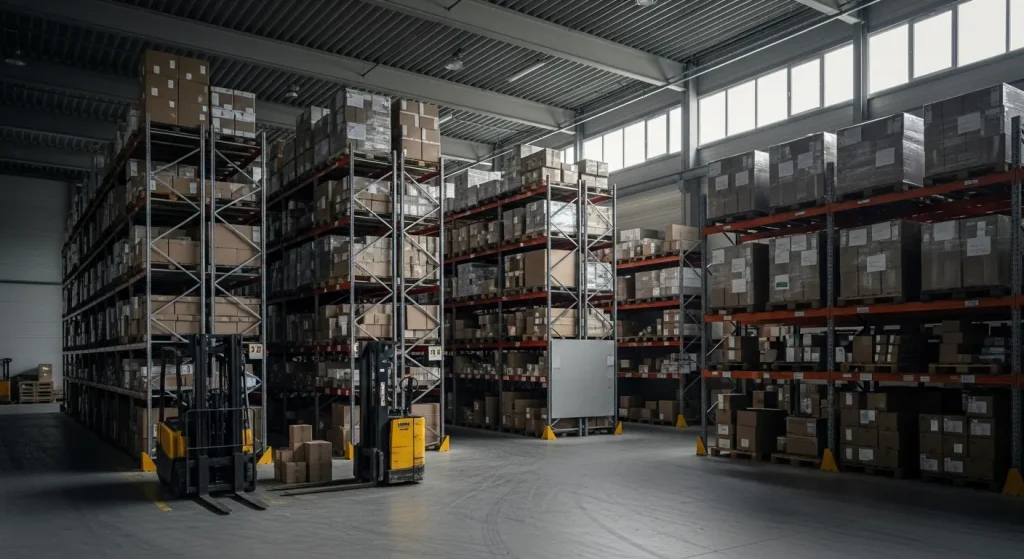
This behaviour is often called stockpiling. It means companies buy extra materials or products before they immediately need them. They do this to protect themselves against disruption.
The effect is good news for parts of Dutch industry in the short term. More orders mean more production. The chemical sector has been one of the main winners. Production of plastics and other chemical products also increased.
But the picture is not simple. Some companies benefit from higher demand, while others face higher input prices. If materials become harder to get, prices can rise quickly.
The Strait of Hormuz is part of the story. It is one of the most important routes for oil and chemical products from the Middle East. If trade through the area is disrupted, companies look for supplies elsewhere.
Dutch manufacturers can benefit when customers move orders away from riskier supply routes. But longer delivery times show that the system is still under pressure.
There is also another factor behind the rise. Investment in data centres and the chip sector is supporting demand. ASML and its suppliers are part of this wider industrial network. When chip related investment grows, many Dutch suppliers benefit.
The Dutch economy is strongly connected to global supply chains. A conflict far away can affect orders, prices and production in the Netherlands.
The question is whether the rise will last. Economists warn that stockpiling can create a temporary boost. If companies are only buying earlier than usual, demand may fall again later.
That means the next few months will be important. If orders remain high after the stockpiling effect fades, it may suggest stronger industrial growth. If demand drops, the current rise may look more like a short term reaction to risk.
For consumers, the effects may appear later. Higher material prices can feed into the cost of products, repairs, packaging and construction.
For now, Dutch industry is benefiting from uncertainty. But uncertainty is not the same as healthy growth. The sector will need stable demand, reliable supply chains and competitive energy prices to keep improving.