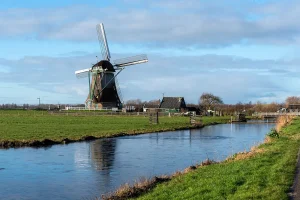
Beaver damage in Zuid-Holland triggers culling debate
A beaver in Zuid-Holland has caused significant damage, leading to discussions on culling to manage the growing population.

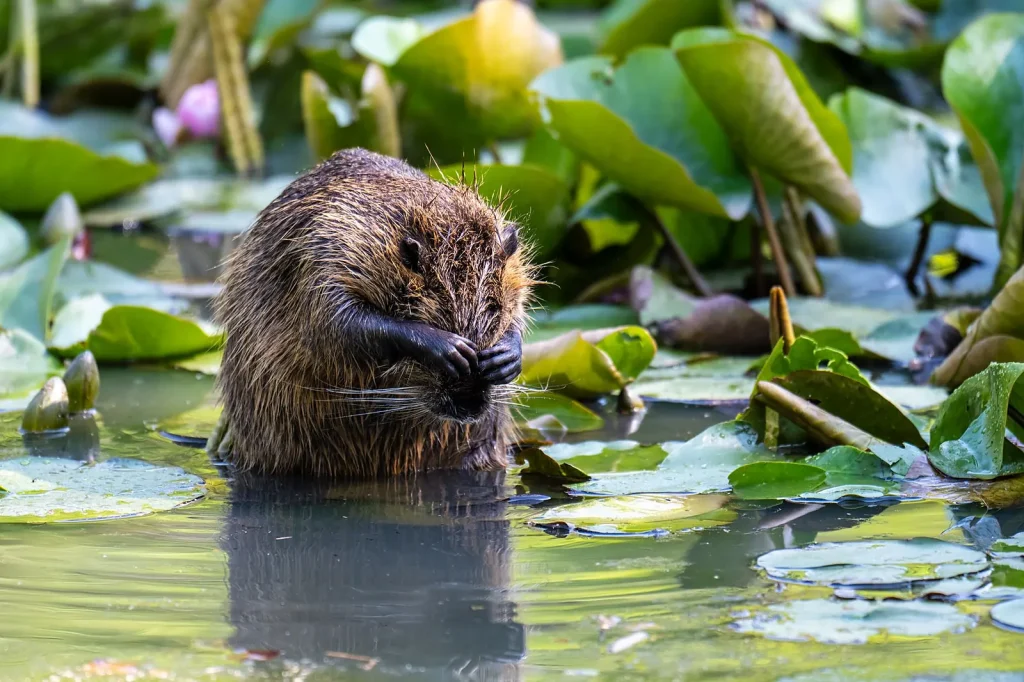
Rising beaver populations in Zuid-Holland lead to infrastructure concerns and potential culling measures.
The resurgence of beaver populations in the Netherlands has led to unexpected challenges, particularly in Zuid-Holland. A beaver has caused significant damage to local infrastructure, prompting the provincial government to consider culling options. This situation highlights the delicate balance required in wildlife management.
Beaver Damage Sparks Concerns
In Zuid-Holland, a beaver has been actively damaging infrastructure and vegetation. This has raised alarms among local authorities. The provincial government is weighing the possibility of culling to mitigate the impact. Beavers, once nearly extinct in the Netherlands, have made a remarkable comeback due to national conservation efforts.
However, their resurgence poses new challenges. The beaver’s natural behavior, such as building dams and felling trees, often conflicts with human activities. This has led to increased incidents of damage to roads, bridges, and farmland. As a result, balancing ecological recovery with infrastructural protection is becoming increasingly complex.
Debate Over Culling Measures
The idea of culling beavers has sparked considerable debate. While some argue it is necessary to protect infrastructure, others emphasize the importance of continued conservation efforts. The provincial government is exploring various options, including non-lethal measures, to manage the population sustainably.
A spokesperson for the provincial government stated, “We are committed to finding a solution that respects both our ecological responsibilities and the needs of our communities.” Discussions are ongoing to develop strategies that minimize environmental impact while ensuring public safety.
The situation in Zuid-Holland is not unique. Other regions in the Netherlands are also experiencing similar issues. As beaver populations grow, the need for comprehensive management plans becomes more pressing. These plans aim to protect both wildlife and human interests.
Conservationists argue that coexistence is possible with proper planning. They suggest measures such as installing protective barriers or relocating problematic individuals as alternatives to culling. These methods could help maintain the ecological benefits beavers provide, such as wetland creation and biodiversity enhancement.
What Happens Next?
The provincial government is expected to make a decision soon. Stakeholders from various sectors, including environmental groups and local communities, are involved in the discussions. The goal is to reach a consensus that respects the ecological and social dimensions of the issue.
Meanwhile, the debate continues to draw attention to the broader implications of wildlife management in the Netherlands. It shows the need for adaptive strategies that can respond to changing environmental conditions and population dynamics.
As the situation evolves, authorities remain focused on finding a balanced approach. By integrating scientific research, public input, and conservation principles, they hope to address the challenges posed by rising beaver populations effectively and sustainably.
For more information on wildlife management and conservation efforts in the Netherlands, visit the rijksoverheid website or the Natuurmonumenten site.