Hennie van der Most bankruptcy: €50 million debt rocks business
Hennie van der Most's bankruptcy highlights business risks as debts continue to rise, affecting his companies.

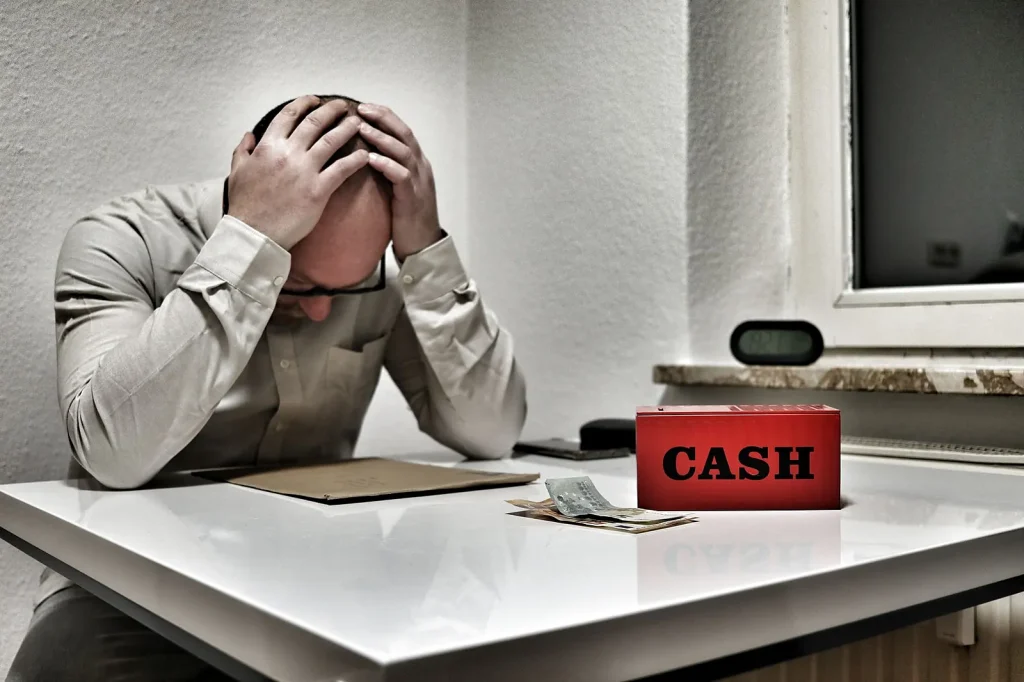
Dutch entrepreneur Hennie van der Most’s debt crisis deepens with €50 million owed, impacting ten companies.
The financial troubles of Dutch entrepreneur Hennie van der Most have deepened as his debts continue to rise. Van der Most, renowned for transforming old industrial sites into attractions like Wunderland Kalkar, has seen significant investments fail. His assets, including several personal properties, have been seized following his bankruptcy.
Impact on Van der Most’s Enterprises
Hennie van der Most, a well-known figure in the Dutch business community, is facing severe financial difficulties. His approach of converting industrial sites into leisure destinations was innovative, yet not without risks. Wunderland Kalkar, one of his most notable projects, stands as a testament to his vision. However, recent years have shown the vulnerability of such ventures to market fluctuations and management challenges.
His attempts to develop an amusement park in Rotterdam ended in failure, leaving him in significant debt. Despite initial personal investments, the project was unable to generate the expected returns. Consequently, the financial strain led to the seizure of assets, including land holdings.
Challenges in Business Sustainability
This case shows the challenges faced by entrepreneurs in managing large-scale projects. The scale of Van der Most’s debt highlights the importance of sustainable business practices and risk management. As businesses expand, the need for strong financial planning becomes critical.
Van der Most’s situation serves as a cautionary tale for other entrepreneurs. It illustrates the potential pitfalls of rapid expansion without adequate safeguards. The financial pressures that can arise from ambitious projects demand careful planning and strategic foresight.
In the broader context, the bankruptcy raises questions about the sustainability of certain business models. As industries evolve, adaptability and resilience become essential components of success.
What Happens Next?
The future for Van der Most and his enterprises remains uncertain. The bankruptcy process will likely involve significant restructuring and potential liquidation of assets. Stakeholders, including creditors and investors, will be keenly observing developments.
For Van der Most, this period may offer a chance to reassess and realign his business strategies. The lessons learned from this experience could shape future endeavors, potentially leading to more sustainable and resilient business models.
Meanwhile, the Dutch business community will watch closely, as the outcome may influence broader discussions on entrepreneurship and risk management in the Netherlands.
The financial troubles of Hennie van der Most highlight the challenges and risks inherent in large-scale business projects. As his debts continue to rise, the impact on his ventures and the lessons for the business world are profound.
For more information on business regulations in the Netherlands, visit the rijksoverheid website or explore the CBS for economic data.