Box 3 tax decision denies refunds to 1.5 million Dutch residents
The Box 3 tax decision by the Supreme Court denies refunds to non-objectors, emphasizing timely tax objections.

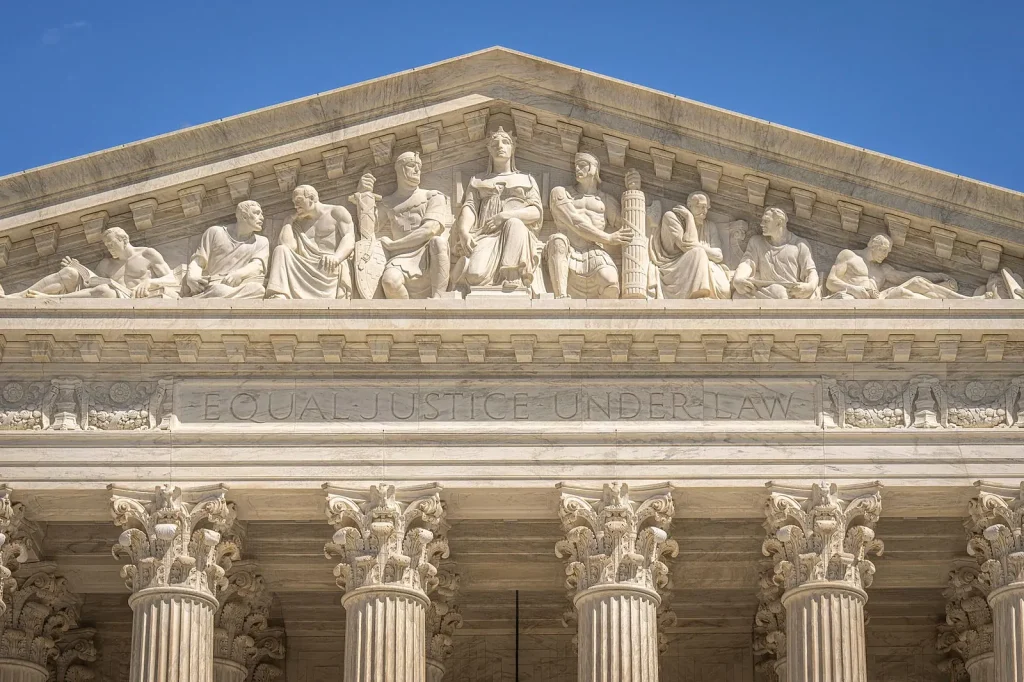
Supreme Court denies refunds for non-objectors, impacting financial planning.
The recent decision by the Dutch Supreme Court regarding the Box 3 tax has left many residents in a difficult position. The court ruled that taxpayers who failed to object in time to this tax on savings and investments will not receive refunds. This decision shows the critical importance of timely objections in tax matters.
Impact of the Box 3 Tax Decision
The Box 3 tax, levied on savings and investments, has long been a source of controversy in the Netherlands. Critics argue that it disproportionately affects individuals with modest savings. The Supreme Court’s ruling means that only those who filed objections within the specified timeframe are eligible for compensation. For those who did not, the opportunity for redress is lost.
The ruling highlights the necessity of staying informed and proactive about tax obligations. Taxpayers are now warned to file objections promptly to safeguard their financial interests. The decision has sparked discussions about the fairness and transparency of the tax system.
Why the Box 3 Tax Matters
The Box 3 tax applies to income from savings and investments, which can significantly impact financial planning. The tax has been under scrutiny for its perceived unfairness, with debates ongoing about its structure and implementation. Many argue that it fails to consider the varied financial circumstances of different income groups.
According to the ruling, those who made timely objections are entitled to refunds, offering them some relief. However, the decision leaves others without recourse, emphasizing the need for vigilance in handling tax matters. This outcome stresses the importance of understanding one’s rights and responsibilities in the Dutch tax system.
The ruling also serves as a reminder of the complexities involved in tax legislation. It highlights the role of the judiciary in interpreting these laws and the potential consequences for taxpayers.
For more information on tax obligations, residents can visit the rijksoverheid website or consult tax professionals for advice on future objections.
Background and Ongoing Debates
The Box 3 tax has been a contentious issue since its inception. Introduced to tax income from wealth rather than labor, it has faced criticism for its broad application. Many believe it unfairly targets small savers while not adequately addressing wealthier individuals’ tax burdens.
The current decision by the Supreme Court may reignite debates about the tax’s fairness. Some experts suggest that reforms are necessary to align the tax with modern financial realities. Discussions about potential changes to the tax structure are expected to continue in the Tweede Kamer, the Dutch House of Representatives.
Meanwhile, the ruling serves as a cautionary tale for taxpayers. It shows the importance of staying engaged with tax legislation and understanding the implications of failing to act within deadlines.
What Happens Next?
Moving forward, the focus will likely shift to how the government addresses the concerns raised by this ruling. Policymakers may consider revising the Box 3 tax to ensure it is equitable and transparent. The ongoing dialogue between taxpayers, lawmakers, and the judiciary will be crucial in shaping future tax policies.
Residents affected by the decision are encouraged to seek guidance and explore any remaining options for financial recourse. The ruling is a significant reminder of the need for timely action in tax matters and the potential consequences of inaction.
For further reading on the implications of the ruling, interested parties can consult resources such as the CBS for statistical insights into the tax’s impact on different income groups.