FNV warns of heat risks, urges stronger worker protections
FNV, a major labor union in the Netherlands, warns on heat risks as the Dutch heatwave continues. Current labor laws lack specific protections for outdoor workers.

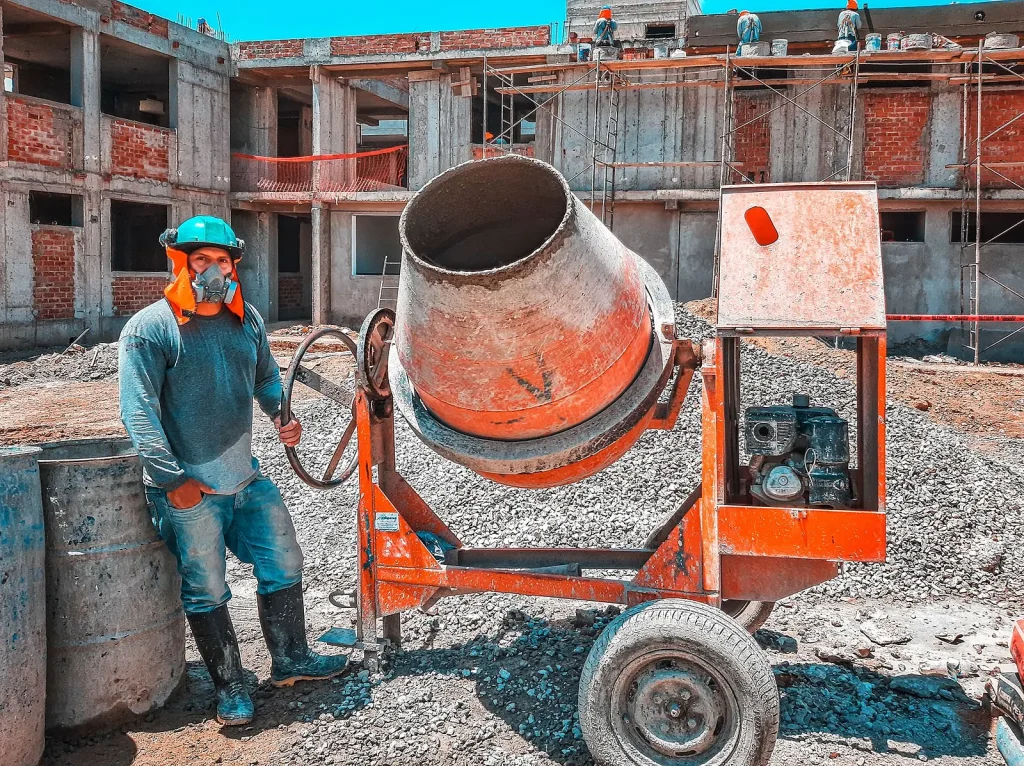
The ongoing heatwave in the Netherlands highlights gaps in labor laws for outdoor workers.
The ongoing heatwave in the Netherlands has brought attention to labor practices as temperatures soar. The Dutch labor union FNV, a major labor union in the Netherlands, warns that outdoor workers face serious risks without adequate protections against the heat. While the law requires employers to evaluate and mitigate heat risks, specific guidelines for high-temperature conditions remain insufficient.
FNV Raises Concerns
FNV has highlighted the potential dangers faced by workers exposed to extreme heat. The union is calling for more strong measures to ensure safety. Many sectors, particularly those involving outdoor work, do not have comprehensive agreements on heat-related work stoppages. This leaves workers vulnerable during prolonged periods of high temperatures.
According to the FNV, the current labor laws lack specific provisions for handling extreme heat. While employers are obliged to assess risks and adapt work conditions, the absence of clear guidelines means that protections can vary significantly between workplaces.
Legal Obligations and Practical Measures
The Dutch labor laws require employers to evaluate potential heat risks and take necessary actions to safeguard employees. This includes providing hydration, ensuring breaks, and adjusting work hours to avoid the hottest parts of the day. However, without specific temperature thresholds or detailed requirements, the implementation of these measures can be inconsistent.
FNV representative Linda Vermeulen stated, “The lack of specific guidelines means that workers’ safety is often left to the discretion of individual employers. We need clear rules to protect our workers from the heat.”
The union’s call to action emphasizes the importance of standardized practices across all sectors. This would ensure that every worker, regardless of their industry, receives adequate protection during extreme weather conditions.
Background
The Netherlands has been experiencing unusually high temperatures, which are expected to continue in the coming weeks. This has already impacted various sectors, particularly agriculture and construction, where outdoor work is unavoidable. The heatwave has reignited discussions about climate change and its impact on labor practices.
In past years, similar heatwaves have led to temporary work stoppages in some sectors. However, these are often voluntary and not mandated by law. This inconsistency highlights the need for a more unified approach to handling extreme weather conditions in the workplace.
What Happens Next?
As the heatwave persists, the FNV is urging the rijksoverheid to consider revising labor laws to include specific measures for high-temperature conditions. This could involve setting maximum allowable temperatures for outdoor work or mandating specific rest periods during heatwaves.
The government has yet to comment on whether it will pursue changes to the existing labor framework. In the meantime, employers are encouraged to follow best practices and prioritize the health and safety of their workers.
For more information on Dutch labor laws and employee rights, visit the rijksoverheid website. To learn about current weather conditions, check the latest updates from the KNMI.