Dutch nitrogen plan shakes 15 zones, farmers face changes
The Dutch nitrogen reduction plan targets 15 zones, affecting farmers who must relocate, innovate, or shut down operations.

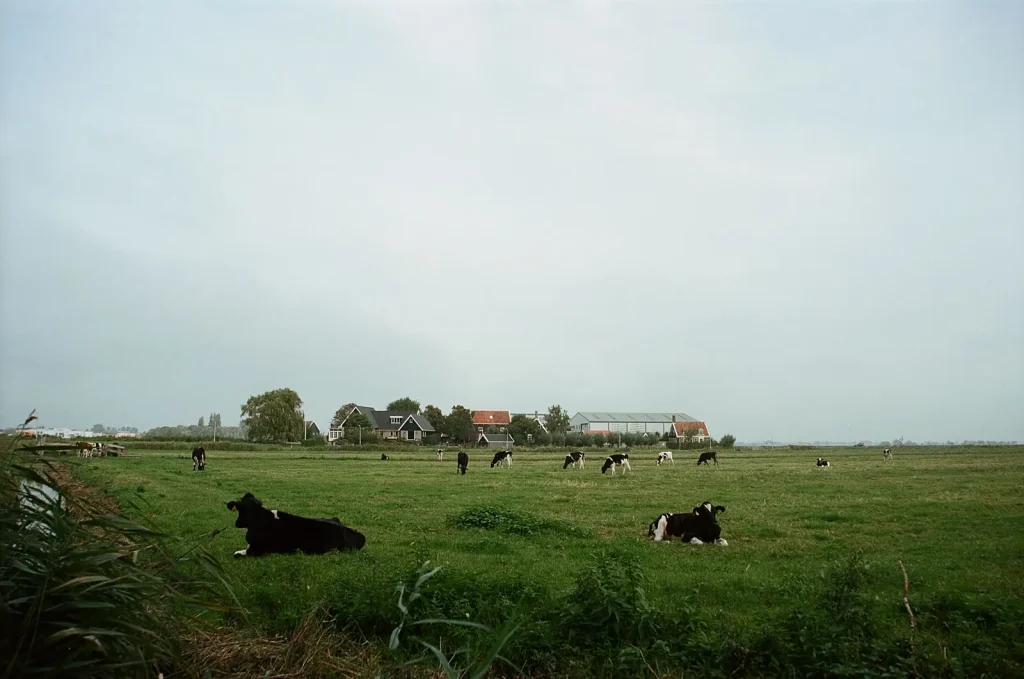
New nitrogen reduction plan targets 15 zones, impacting farmers with relocation and innovation requirements.
The Dutch cabinet has unveiled a comprehensive nitrogen reduction plan, targeting 15 zones across the country. This initiative aims to significantly curb nitrogen emissions, a move that will have profound implications for Dutch farmers and conservation areas.
The plan, agreed upon after extensive negotiations, focuses on reducing environmental damage caused by nitrogen. It involves setting stringent emission limits in 15 zones, primarily around major nature reserves such as the Veluwe and de Peel. The original proposal considered 20 zones but was adjusted to 15 to balance environmental goals with agricultural interests.
Impact on Farmers
The new regulations mean that many farmers within these zones face difficult choices. They may need to relocate their operations, shut down, or invest in innovative practices to comply with the new limits. The government has acknowledged the challenges this poses and has promised support to help farmers transition.
In addition to the 15 primary zones, 85 other areas will see smaller emission reduction efforts. These measures aim to create a sustainable balance between environmental preservation and agricultural productivity.
Background and Future Steps
The nitrogen crisis has been a long-standing issue in the Netherlands, with excessive emissions impacting the country’s biodiversity. The Dutch government has been under pressure to address this issue following rulings from the Raad van State, the Netherlands’ highest administrative court, which demanded immediate action to protect vulnerable ecosystems.
The cabinet’s decision comes as part of a broader strategy to meet European Union environmental targets. The plan not only addresses nitrogen emissions but also integrates with other sustainability initiatives across the country.
Moving forward, the government plans to work closely with farmers, providing financial support and technical assistance to encourage innovation. This includes subsidies for sustainable farming technologies and compensation for those who choose to cease operations.
The plan is expected to face scrutiny and potential opposition, particularly from farming communities and agricultural organizations. However, the government remains committed to its environmental goals, emphasizing the necessity of these measures for the long-term health of the nation’s ecosystems.
As the Netherlands handle these changes, the outcome of this plan will likely serve as a case study for other countries facing similar environmental challenges. The balance between economic interests and environmental protection continues to be a delicate one, with the Dutch nitrogen reduction plan at its forefront.
The details of the plan and its implications for the affected zones will be further clarified in the upcoming presentation by the involved ministers. Farmers and environmentalists alike are keenly awaiting these announcements to understand the full scope of the changes ahead.