

Schiphol Cuts Baggage Handlers to 3 Firms, Ensures Job Security
Schiphol Airport reduces baggage handlers to three companies: Viggo, KLM, and Dnata.
Published 30 June 2026 · 17:07 CET
2 min read
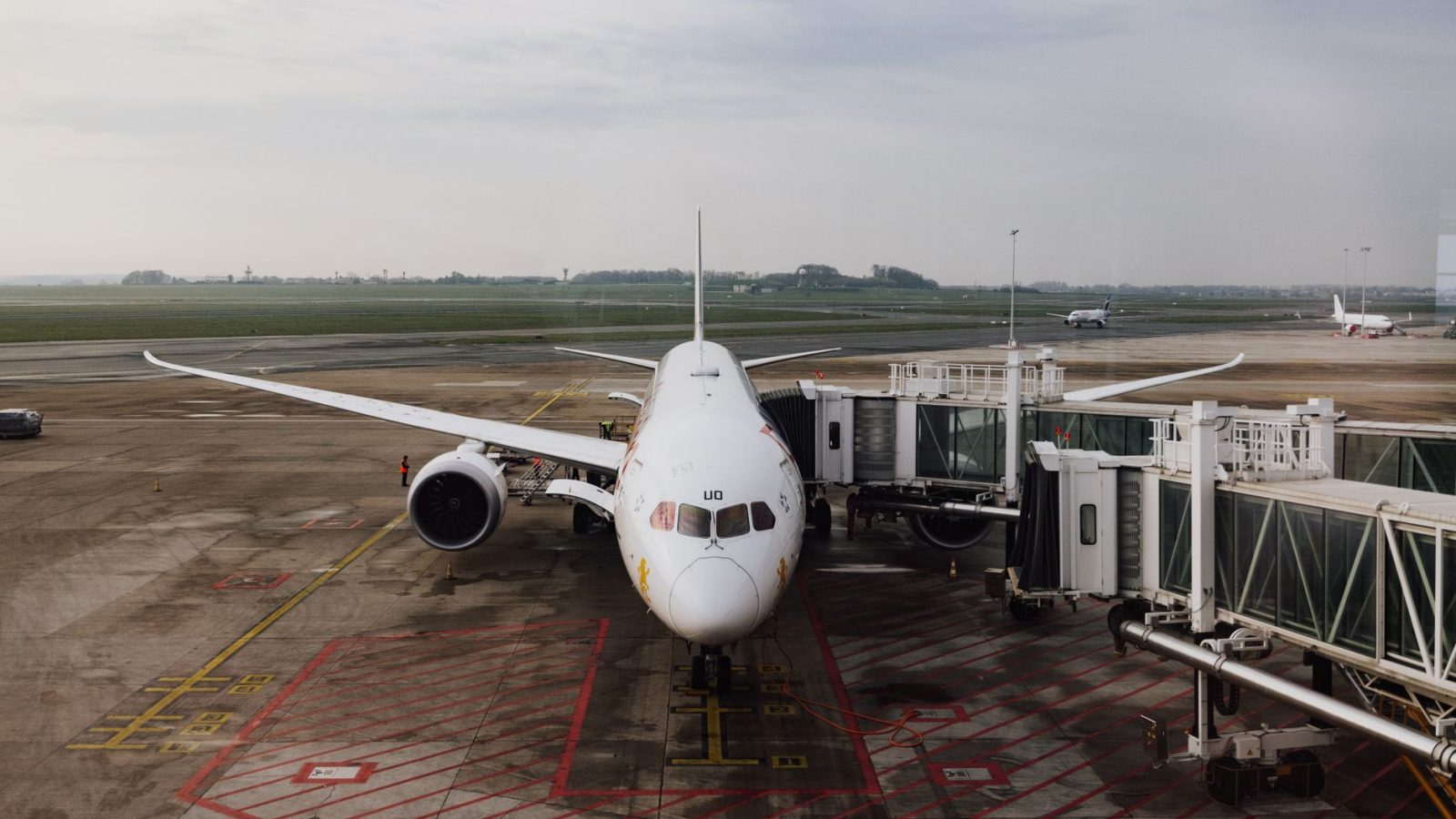
Schiphol Airport narrows ground handling operations to enhance efficiency and work conditions.
Schiphol Airport has announced a major restructuring of its baggage handling operations, reducing the number of contracted companies from six to three. The decision is part of Schiphol’s strategy to enhance efficiency and improve working conditions for ground staff. The airport has chosen Viggo, KLM, and Dnata to continue operations, while Menzies, Swissport, and Aviapartner will exit.
Impact on Employees
This change aims to simplify operations and ensure better scheduling for employees. Schiphol’s management is confident that this restructuring will lead to improved safety and efficiency.
Objective of the Restructuring
The decision to consolidate the number of baggage handling companies is rooted in a broader initiative to enhance operational management at Schiphol. By concentrating services among fewer companies, the airport expects to see improvements in coordination and service delivery. This approach is also intended to address frequent scheduling issues that have plagued the airport in the past.
Schiphol’s strategic move is seen as a response to ongoing challenges in the aviation industry. With increased air traffic and demand for rapid services, the airport is under pressure to maintain high standards of operation while ensuring the well-being of its employees. The reduction in the number of service providers is expected to facilitate this balance.
Viggo, KLM, and Dnata have been selected based on their proven capabilities and commitment to maintaining high standards. These companies are expected to uphold Schiphol’s reputation for efficiency and reliability.
Background
Schiphol Airport is one of Europe’s busiest airports, handling millions of passengers and tons of baggage each year. The decision to reduce the number of handling companies comes after extensive consultations with industry experts and stakeholders. Schiphol aims to set a benchmark for operational efficiency and employee satisfaction in the aviation sector.
In recent years, Schiphol has faced criticism over delays and mishandling of baggage, leading to increased scrutiny of its operational practices. By narrowing down its partners, the airport hopes to address these issues more effectively.
What Happens Next
Schiphol has committed to providing support and resources to all affected employees during this period. The airport management will closely monitor the impact of these changes and adjust strategies as needed.
As Schiphol moves forward with these changes, the focus remains on maintaining high service standards while ensuring a supportive working environment for its staff. The airport’s leadership is optimistic that this decision will lead to long-term benefits for both employees and passengers.
For more information, visit Schiphol’s official website and stay updated with the latest from the Dutch government.

More from the desk