
Military Drills Fire Risk Prompts New Dutch Defense Rules
Military drills fire risk prompts Dutch Defense to impose stricter regulations during dry weather, including firefighting teams on standby.
Published 30 June 2026 · 17:07 CET
2 min read
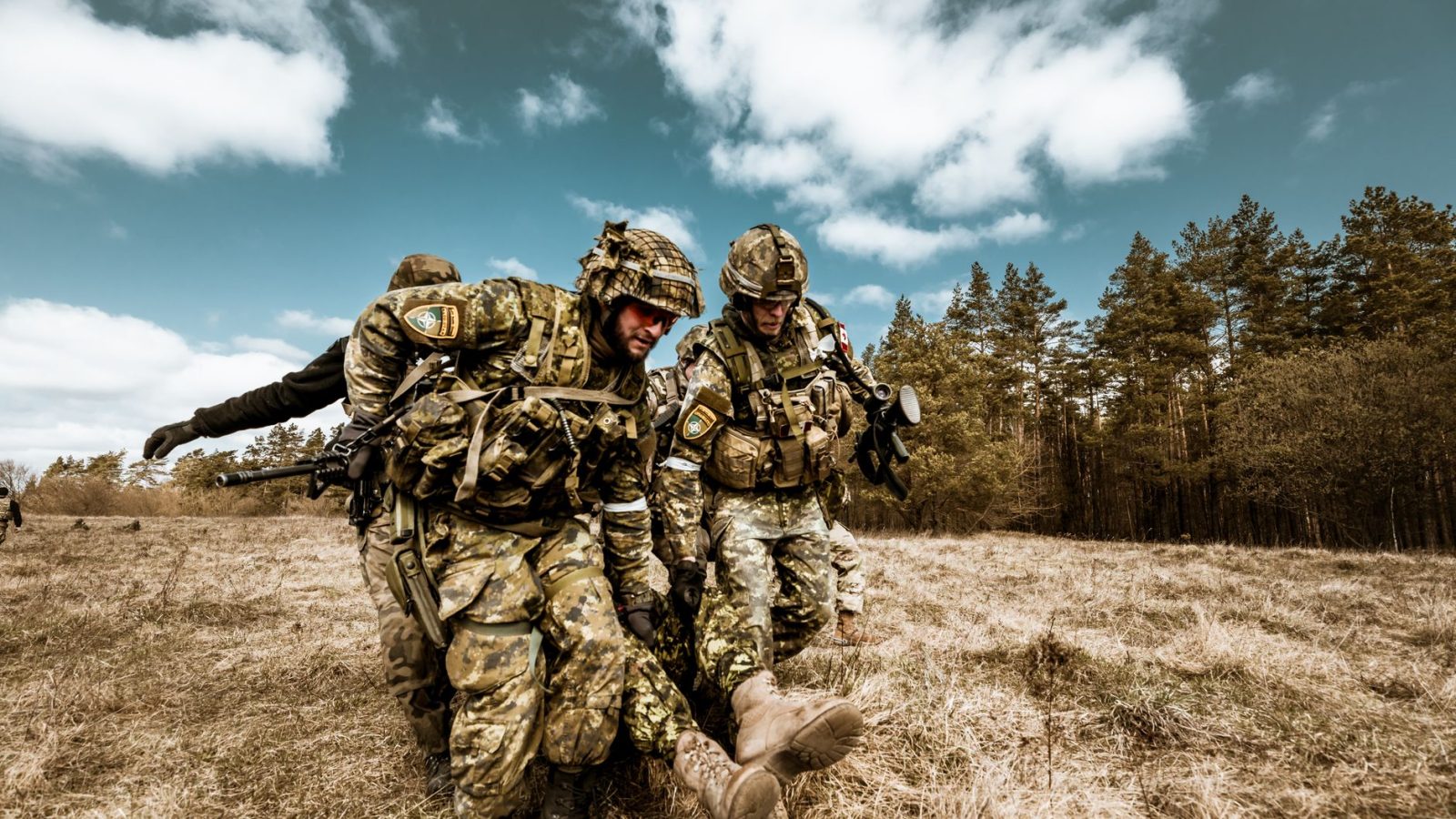
Dutch Defense introduces stricter protocols for military exercises during dry weather conditions, aiming to prevent wildfires.
The Dutch Ministry of Defense has implemented new regulations to address the fire risk associated with military drills during dry weather. This move comes after recent exercises led to significant wildfires, causing concern about environmental damage and safety.
New Protocols for Safety
The updated protocols require the presence of firefighting teams during high-risk exercises. These teams will be prepared to act swiftly if a fire breaks out. In cases where the fire risk is exceptionally high, such as in certain training areas, exercises will be postponed or modified to reduce the potential for fire outbreaks.
According to a statement from the Ministry of Defense, these measures are essential in balancing the need for military readiness with environmental protection. The ministry emphasized the importance of maintaining operational capabilities while safeguarding natural habitats.
Recent Wildfire Incidents
In recent months, military exercises have been linked to destructive wildfires, prompting public concern and calls for action. The fires not only threatened local ecosystems but also posed risks to nearby communities.
A spokesperson from the Ministry of Defense noted, “Ensuring the safety of both our personnel and the environment is top. The presence of firefighting teams during high-risk drills is a necessary precaution.” The spokesperson added that these changes are part of a broader strategy to adapt military training to changing climate conditions.
The Netherlands has experienced an increase in the frequency and intensity of wildfires, a trend attributed to climate change. The Ministry of Defense’s new regulations are a direct response to these challenges, aiming to prevent future incidents.
Balancing Training and Environmental Concerns
The new measures reflect a growing awareness of the environmental impact of military activities. By introducing stricter protocols, the Ministry of Defense seeks to prevent fires while allowing essential training exercises to continue.
Firefighting teams will be strategically placed at training sites identified as high-risk areas. This proactive approach is intended to minimize response times and control any fires that might start. The ministry is also exploring additional measures, such as using less flammable materials during exercises.
The decision to adapt or postpone exercises in certain conditions shows the ministry’s commitment to safety. By prioritizing environmental protection, the ministry aims to set an example for other sectors facing similar challenges.
Looking Ahead
The Ministry of Defense plans to monitor the effectiveness of these new protocols closely. Feedback from military personnel and environmental experts will be used to refine the approach further.
As climate conditions continue to evolve, the ministry remains committed to updating its strategies to ensure both operational readiness and environmental stewardship. The introduction of these regulations marks a significant step in addressing the fire risks associated with military exercises.
For more information on the Ministry of Defense’s initiatives, visit the Dutch government’s official website. To learn about wildfire prevention and safety measures, consult the KNMI.

More from the desk