Veldhoven quadruplets birth celebrates rare arrival of 4 boys
In Veldhoven, identical quadruplets were born at 29 weeks, marking a rare medical event. The news highlights healthcare capacity and family dynamics.
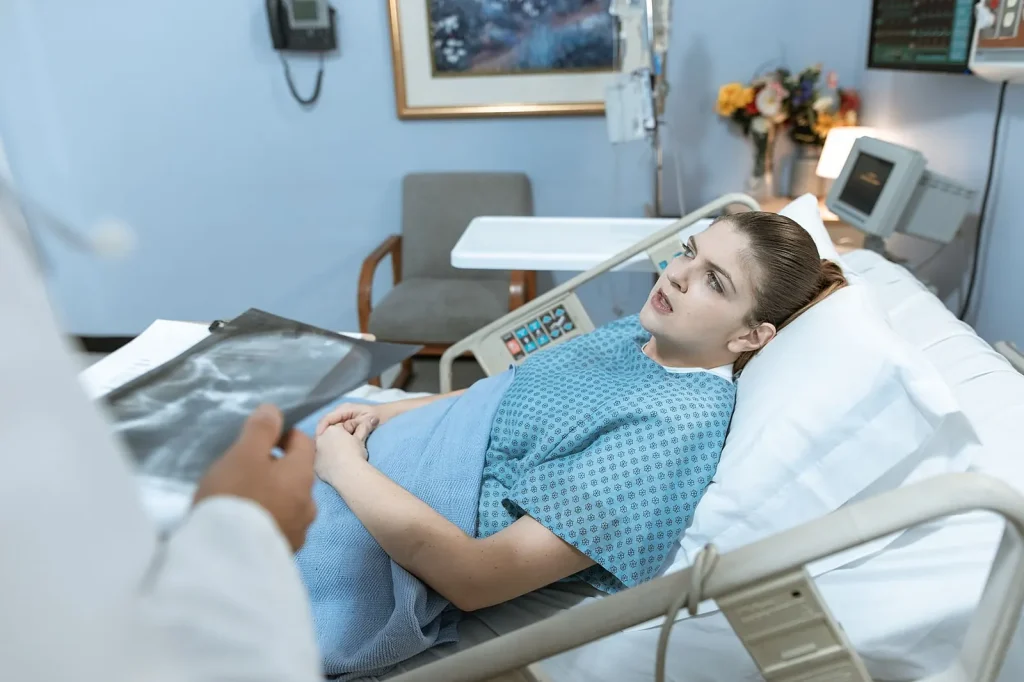
Rare identical quadruplets born prematurely in Veldhoven, highlighting medical expertise and family joy.
The birth of identical quadruplets in Veldhoven has captured significant attention, marking a rare medical event in the Netherlands. Born prematurely at 29 weeks at Máxima Medisch Centrum, a hospital in Veldhoven, these four boys are currently receiving specialized care. Their arrival not only highlights the capabilities of Dutch healthcare but also the dynamics of family life in the region.
Named Adam, Amir, Hassan, and Hussein, the quadruplets were born to parents originally from Gambia. The family relocated to the Netherlands over a year ago, seeking better opportunities and healthcare. Lamin Saidykhan, the father, expressed his excitement, stating, ‘Being involved in cutting the umbilical cords was very special.’ This moment has been a joyous occasion for the family, which also includes a daughter.
Medical Significance of the Quadruplets’ Birth
Delivering quadruplets is a complex medical procedure, requiring advanced planning and coordination. The Máxima Medisch Centrum had to adapt its facilities to accommodate the unique needs of this delivery. This event shows the expertise available in the region’s healthcare system, which is prepared to handle such rare occurrences.
Premature births like these often require intensive care, and the hospital’s neonatal unit is equipped to provide the necessary support. The boys will remain under medical supervision to ensure their health and development. Such cases are rare, making this event extraordinary.
Social and Family Dynamics
The birth of the quadruplets has not only medical but also social implications. The Saidykhan family, now with five young children, represents the diverse and multicultural fabric of the Netherlands. Their experience highlights the country’s inclusive society, where families from different backgrounds can thrive.
Community support is central to such situations. Friends, neighbors, and local organizations are expected to offer assistance, reflecting the strong community ties in the Netherlands. The Saidykhan family is likely to receive support from various quarters as they adjust to their expanded family.
The arrival of Adam, Amir, Hassan, and Hussein has brought joy and excitement not only to their family but also to the broader community. As they grow, these boys will undoubtedly become a part of local stories and memories, enriching the cultural mix of Veldhoven.
Background
Identical quadruplet births are extremely rare, with the odds being astronomical. This rarity makes such events notable worldwide. The Netherlands, known for its strong healthcare system, is well-equipped to handle complex medical cases, ensuring that both mother and children receive the best possible care.
The Saidykhan family’s journey from Gambia to the Netherlands reflects the global movement of people seeking better opportunities and healthcare. Their story is one of hope, resilience, and the pursuit of a better life, themes that resonate with many expatriate families.
What Happens Next
The immediate focus for the Saidykhan family is the health and well-being of the quadruplets. As the boys grow stronger, they will eventually be able to go home. The family will likely face challenges typical of raising multiple young children, but with community support, they are poised to handle these successfully.
In the coming months, the hospital will continue to monitor the boys’ development closely. The medical staff’s expertise ensures that the quadruplets have a strong start in life. This birth story will remain a significant milestone in Veldhoven’s medical history, celebrated for its rarity and the joy it brings to the Saidykhan family.
For more information on healthcare services, visit Rijksoverheid. To learn more about Veldhoven, see Veldhoven on Wikipedia.