Ukrainian refugees in Hoorn face pet ban challenge
Ukrainian refugees in Hoorn must relocate to a facility where pets are banned, raising emotional and practical challenges.

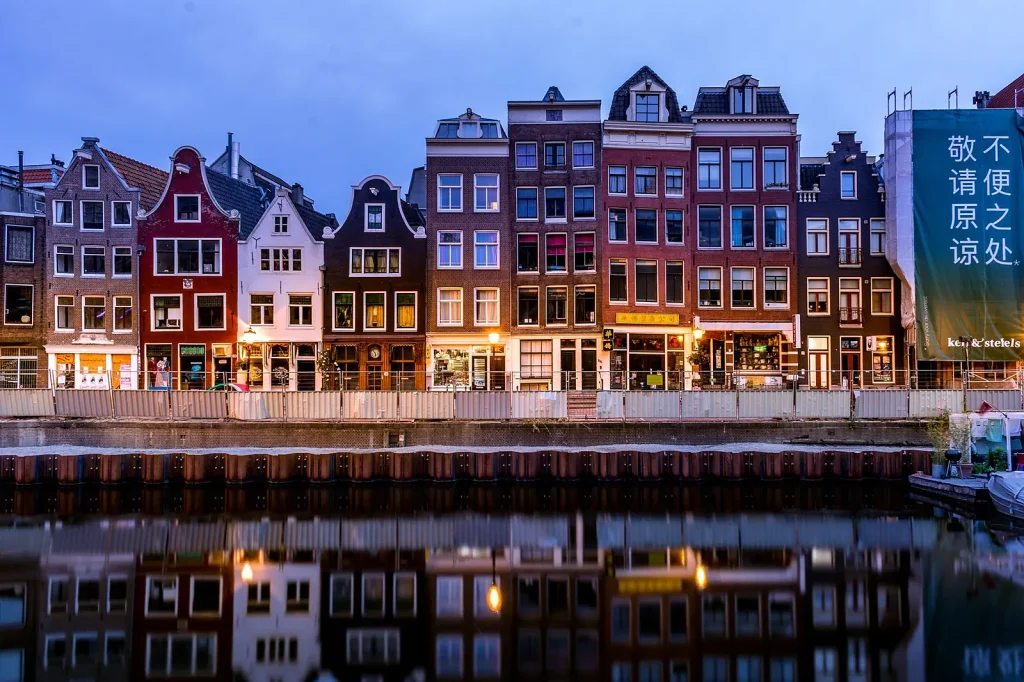
Refugees in Hoorn must move to a new facility that prohibits pets, sparking concern among volunteers.
Ukrainian refugees in Hoorn, a town in the Netherlands, are confronting a difficult situation as they are required to move to a new municipal facility that prohibits pets. This change contrasts sharply with their current accommodations, which allowed them to keep their pets. The decision has drawn criticism from volunteers who argue that it disregards the emotional and practical needs of the refugees.
Pet Policy Sparks Emotional Concerns
The relocation affects eight Ukrainian families who have been living in temporary housing that permitted pets. The upcoming move to a new facility in Hoorn does not offer the same allowance. Many refugees have formed strong emotional bonds with their pets, which have provided comfort and stability amidst the upheaval of fleeing their homeland.
Caroline Ebens, a former veterinarian and volunteer at another refugee center where pets are allowed, has voiced her concerns. She described the policy as ‘inhumane’, emphasizing the emotional support pets offer to individuals who have endured significant trauma. ‘Pets are beyond animals; they are family to these people,’ Ebens said.
Challenges in Refugee Accommodation
The decision to ban pets in the new facility highlights the complexities involved in managing refugee accommodations. Local authorities in Hoorn have not yet publicly addressed the criticisms. However, the policy has sparked a debate about the balance between logistical constraints and the psychological well-being of refugees.
Volunteers argue that while managing large groups of refugees presents logistical challenges, it’s essential to consider the broad needs of individuals. Pets, they say, play a crucial role in the mental health and emotional resilience of those displaced by conflict.
The situation in Hoorn is not unique. Across the Netherlands, refugee policies vary widely, with some accommodations allowing pets and others enforcing strict prohibitions. This inconsistency can lead to additional stress for refugees who have already experienced significant upheaval.
The Dutch government, through various agencies like the rijksoverheid, is responsible for overseeing refugee accommodation policies. The current situation in Hoorn may prompt a reevaluation of these policies to ensure they better meet the needs of refugees.
Volunteers and advocates continue to push for more compassionate policies that acknowledge the vital role pets play in the lives of refugees. They argue that allowing pets can significantly aid in the emotional and psychological adjustment of refugees to their new environments.
What Happens Next?
The families affected by the pet policy in Hoorn are faced with a difficult choice: to leave their pets behind or find alternative accommodations. Some volunteers and local organizations are exploring possibilities to assist these families in keeping their pets, such as fostering arrangements or lobbying for policy changes.
The debate over the pet policy in Hoorn may influence future decisions regarding refugee accommodations in the Netherlands. As the country continues to welcome those fleeing conflict, the need for compassionate and practical solutions remains critical.
For now, the affected families must handle the emotional and logistical challenges posed by the move. The outcome of their situation could set a precedent for how similar cases are handled in the future, highlighting the importance of considering both emotional and practical needs in refugee policies.
For more information on refugee policies in the Netherlands, visit the rijksoverheid website or learn about international refugee guidelines on UNHCR’s website.