Dutch Cabinet Warns of Meat Industry Worker Ban
The Dutch cabinet plans to ban temporary workers in the meat industry by 2028. This aims to address labor abuses, especially affecting migrant workers.
Published 2 July 2026 · 17:11 CET
3 min read
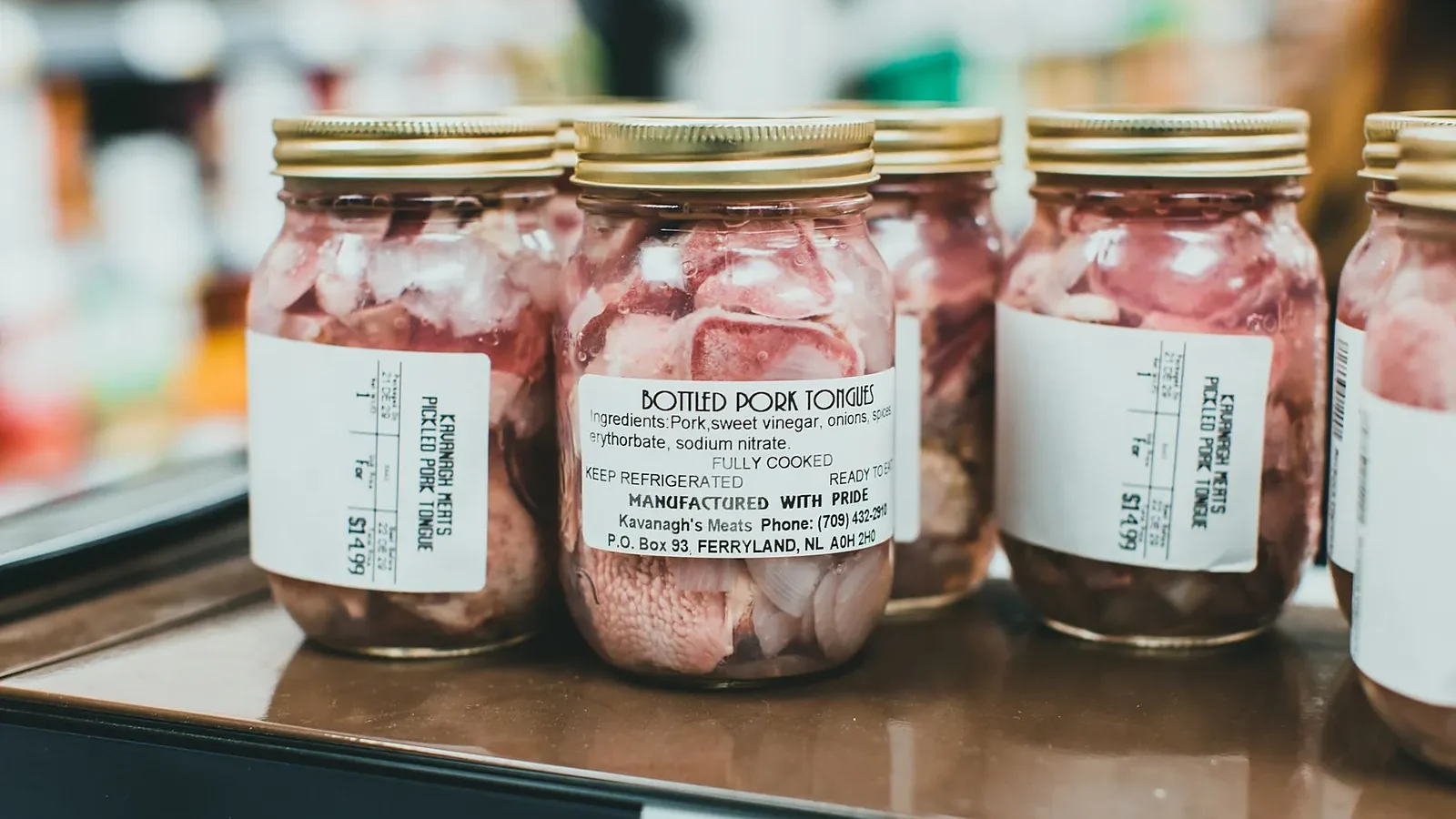
The Dutch government plans to ban temporary workers in the meat sector by 2028 to combat labor abuses.
The Dutch cabinet has announced a significant shift in labor policy, aiming to ban the employment of temporary workers in the meat industry by 2028. This move is driven by persistent concerns over the exploitation and unsafe working conditions faced by many migrant workers in the sector.
Minister of Social Affairs and Employment Hans Vijlbrief emphasized the necessity of this decision. He noted that despite 29 meetings with industry representatives, there has been insufficient progress in improving conditions for workers. He stated, “We cannot wait any longer for voluntary change. This ban is essential to ensure fair treatment and safety for all employees.”
Addressing Labor Abuses
The decision to ban temporary workers comes after years of reported abuses in the meat industry. Many migrant workers have faced issues such as underpayment and hazardous working environments. The Dutch government has been under pressure to address these problems effectively.
Minister Vijlbrief’s announcement reflects the cabinet’s commitment to ethical labor practices. By banning temporary workers, the government aims to create a more stable and secure employment environment. This move is expected to foster improved worker rights and safety standards.
Industry Concerns and Government Response
While the government prioritizes worker welfare, the meat industry has expressed concerns. Industry representatives argue that the ban could lead to increased meat prices. They claim that the reliance on temporary workers helps keep costs down, benefiting consumers.
Despite these concerns, the government remains firm in its decision. The emphasis is on safeguarding labor rights and ensuring that all workers are treated fairly and with dignity. Vijlbrief highlighted that ethical labor practices are non-negotiable, stating that profit should not come at the expense of human rights.
Critics have also pointed out that the transition to a ban by 2028 allows the industry time to adjust. This period is intended for businesses to develop new employment strategies that comply with the impending regulations.
Background
The Dutch meat industry has long been under scrutiny for its labor practices. Reports from various organizations have highlighted issues such as long working hours, inadequate pay, and unsafe conditions. Many of these problems disproportionately affect migrant workers, who often lack the resources to advocate for themselves.
The government’s decision follows a series of investigative reports and pressure from labor rights groups. These groups have consistently called for stronger regulations to protect vulnerable workers in the sector.
What Happens Next
As the 2028 deadline approaches, the Dutch government will likely introduce additional measures to support the transition. These may include initiatives to assist companies in restructuring their labor practices and ensuring compliance with new regulations.
The cabinet’s decision serves as a reminder of the ongoing challenges in protecting labor rights within the industry. It also highlights the importance of government intervention in addressing systemic issues affecting worker welfare.
For the Dutch meat industry, the coming years will be critical in adapting to these changes. The focus will be on balancing ethical labor practices with economic viability, ensuring that workers’ rights are upheld without compromising the industry’s success.
The ultimate goal is to create a fairer, safer working environment for all employees, marking a significant step forward in the fight against labor exploitation in the Netherlands.

More from the desk