
Flitspoeder Crime Analysis Reveals 29 Explosive Cases Weekly
Flitspoeder crime analysis by Nederlands Forensisch Instituut reveals its role in explosive incidents, enhancing forensic investigations.
Published 3 July 2026 · 12:04 CET
1 min read
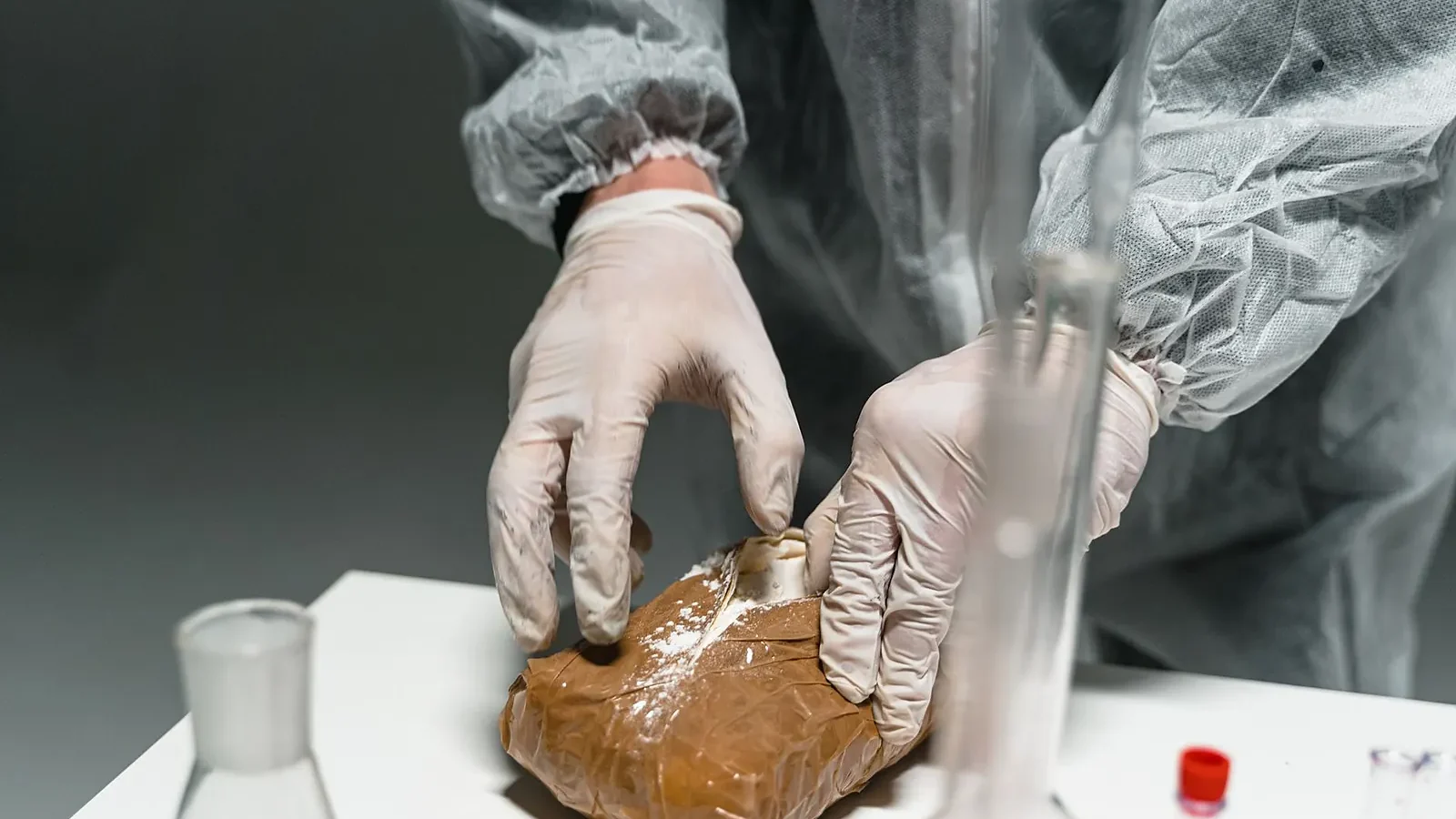
New study by Nederlands Forensisch Instituut enhances investigation of explosive-related crimes in the Netherlands.
The analysis of flitspoeder in crimes has taken a significant leap forward with a new study by the Nederlands Forensisch Instituut (NFI). This research highlights the crucial role of flitspoeder in linking suspects to explosive-related incidents in the Netherlands.
Flitspoeder, a substance often used in illegal fireworks, has been found at crime scenes across the country. The NFI’s study specifically examined perchloraat, a key component of flitspoeder.
Insights from the Study
According to Irene van Damme, a forensic expert at the NFI, the presence of perchloraat on a suspect can be a strong indicator of involvement with explosives. Van Damme explained, “Finding perchloraat traces on a person goes beyond accidental exposure, providing solid evidence of potential criminal activity.” This is particularly relevant as flitspoeder is commonly found in illegal fireworks, such as the notorious Cobra 6.
The study’s findings are expected to greatly aid law enforcement efforts in identifying and prosecuting individuals involved in explosive-related crimes. The detailed analysis of perchloraat transfer offers a new dimension to forensic investigations, enhancing the ability to connect suspects to criminal activities.
Forensic advancements like this not only bolster the judicial process but also enhance public safety by ensuring that those involved in explosive crimes are held accountable.
Overall, the NFI’s work on flitspoeder represents a significant step forward in forensic science, offering new tools for tackling the persistent issue of explosive-related crimes in the Netherlands.
For more details on related efforts, visit the rijksoverheid and politie websites.
More from the desk