AI Phantom Sources Found in 748 Dutch Research Papers
AI-generated phantom sources found in citations across Dutch research papers, prompting calls for stricter academic oversight.
Published 3 July 2026 · 12:04 CET
2 min read
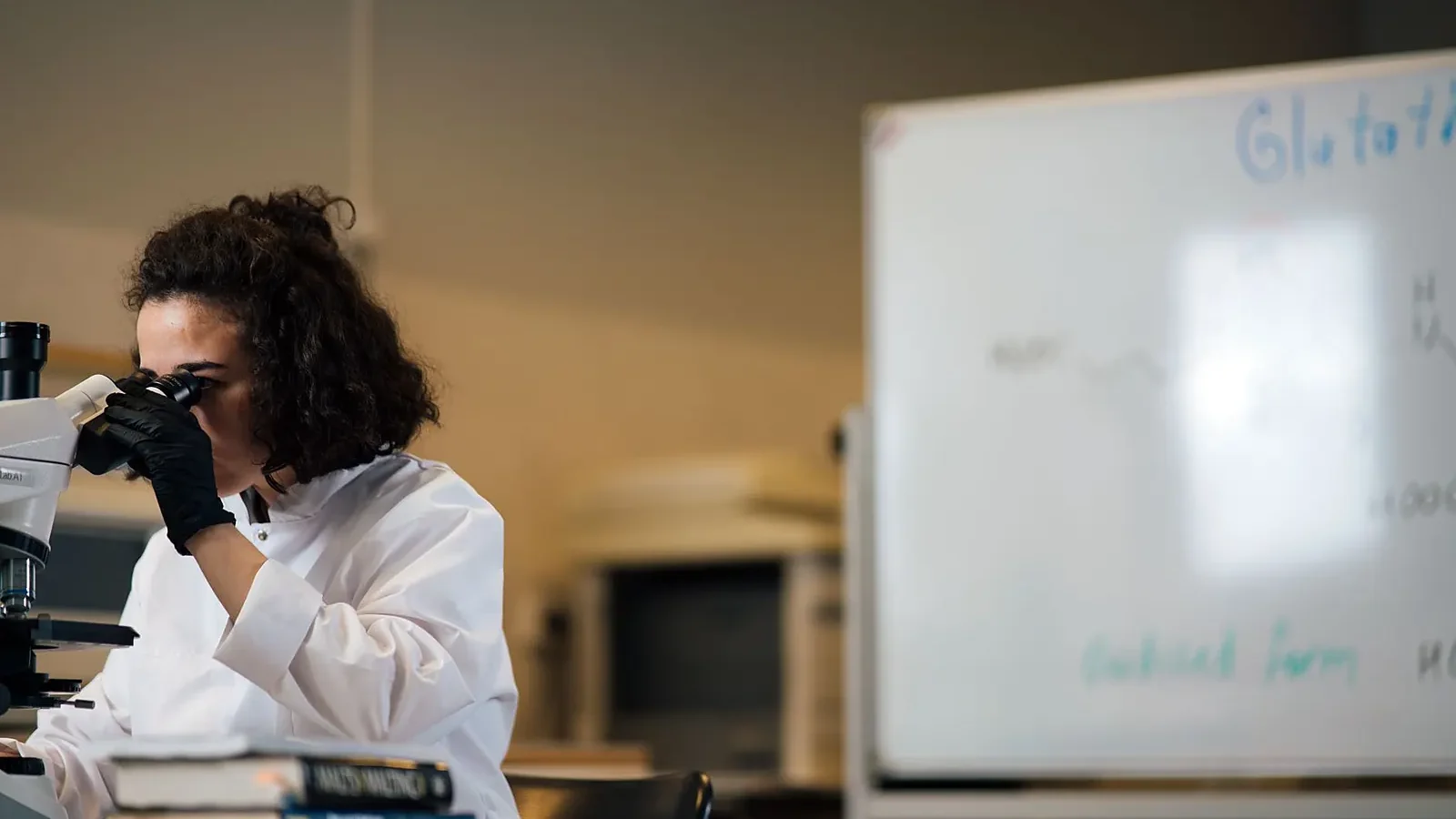
748 fake citations found in 208 articles at Dutch universities, sparking calls for stricter oversight.
AI phantom sources in research have become a pressing issue at Dutch universities. Investigators recently uncovered fake citations in academic papers. The findings, reported by the Groene Amsterdammer, reveal a troubling trend in the reliance on artificial intelligence for generating references.
Rise of Phantom Sources
The investigation highlights a significant increase in improperly cited sources over the past three years in the Netherlands. Such inaccuracies not only undermine the credibility of individual papers but also pose a risk to the academic community’s reputation.
Impact on Dutch Academic Institutions
Dutch universities are now facing scrutiny over their research practices. The integrity of scholarly work is at stake, prompting discussions about enhancing oversight and accountability. Academic institutions are reassessing their guidelines to prevent future issues with AI-integrated research tools.
The reliance on AI for generating citations without proper checks can lead to severe consequences. Researchers and academic institutions are urged to adopt more stringent practices to ensure the authenticity of their references. The current situation calls for a balance between technological advancement and human oversight.
Background
The use of AI in academia has grown significantly, offering tools that can simplify research. However, this reliance on technology without proper verification has led to unintended consequences. The Groene Amsterdammer’s investigation serves as a wake-up call for universities worldwide to evaluate their research methodologies.
In the Netherlands, the rapid adoption of AI tools has outpaced the development of adequate checks and balances. As a result, researchers have inadvertently included fabricated citations in their work, leading to the current crisis.
What Happens Next?
Moving forward, Dutch universities are likely to implement stricter guidelines for citation practices. This includes the development of systems to verify the authenticity of sources generated by AI. Academic institutions must prioritize transparency and integrity in research.
The academic community is also calling for collaborative efforts to tackle the issue. By sharing best practices and developing strong verification tools, universities can safeguard the credibility of their research.
Ultimately, the discovery of AI-generated phantom sources in research shows the need for vigilance and accountability. As the academic world continues to embrace technology, maintaining the integrity of scholarly work must remain a top priority.
For more information on academic oversight and integrity, visit rijksoverheid.nl and Nature.
More from the desk