Dutch voting ballot concerns rise over design changes
Dutch voting ballot concerns rise as local parties oppose the new design for 2029, fearing it undermines voter choice.

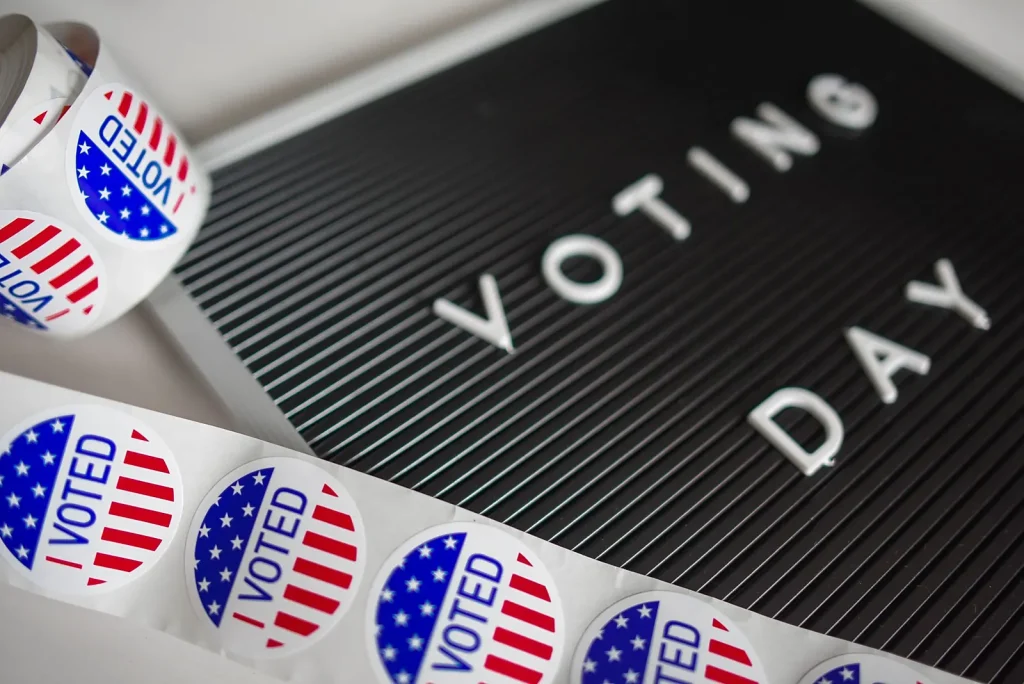
Local parties fear new ballot design could undermine voter choice by reducing candidate visibility.
Local political parties in the Netherlands have raised significant concerns over the government‘s plan to introduce a smaller voting ballot for the 2029 elections. The proposed design, which will feature only party names and candidate numbers, has sparked fears about reduced visibility for individual candidates.
The change aims to simplify the voting process by speeding up vote counting and improving overall efficiency. However, critics argue that it compromises a key element of the Dutch democratic process: the ability to vote for individual candidates rather than simply a party.
Concerns Over Voter Engagement
The proposed ballot reform has been met with resistance from various local parties who argue that the new design diminishes the personal connection between voters and candidates. Traditionally, Dutch voters have been able to see the names of individual candidates, allowing for a more informed decision-making process.
Johan de Vries, a spokesperson for a coalition of local parties, stated, “The new ballot design risks undermining the democratic process by shifting the focus away from individual candidates. Voters deserve to know who they are supporting.”
These parties are urging the government to reconsider the design and include candidate names to maintain transparency and voter engagement. They argue that the proposed changes could lead to decreased voter turnout and a lack of representation for individual candidates.
Government’s Perspective and Next Steps
The Dutch government, while acknowledging the concerns, insists that the reform is necessary to modernize the electoral process. By simplifying the ballot, they aim to reduce errors during vote counting and make the process more efficient.
Despite this, the government has expressed willingness to engage in discussions with local parties and stakeholders to find a balanced solution. They have invited feedback and suggestions to ensure that the final design of the ballot preserves the integrity of the voting system.
Meanwhile, local parties continue to campaign for a redesign that includes candidate names. They believe that maintaining this element is crucial for upholding the core values of Dutch democracy.
The debate is expected to continue as the 2029 elections approach. Both sides recognize the importance of ensuring that any changes to the voting system do not compromise the fundamental principles of voter choice and representation.
For more information on the Dutch electoral system, visit the rijksoverheid website. Additionally, updates on the political response can be followed on Parlement.com.