Vlissingen dune reinforcement adds 10,000 cubic meters of sand
Vlissingen dune reinforcement involves adding 10,000 cubic meters of sand to combat erosion and strengthen coastal defenses.

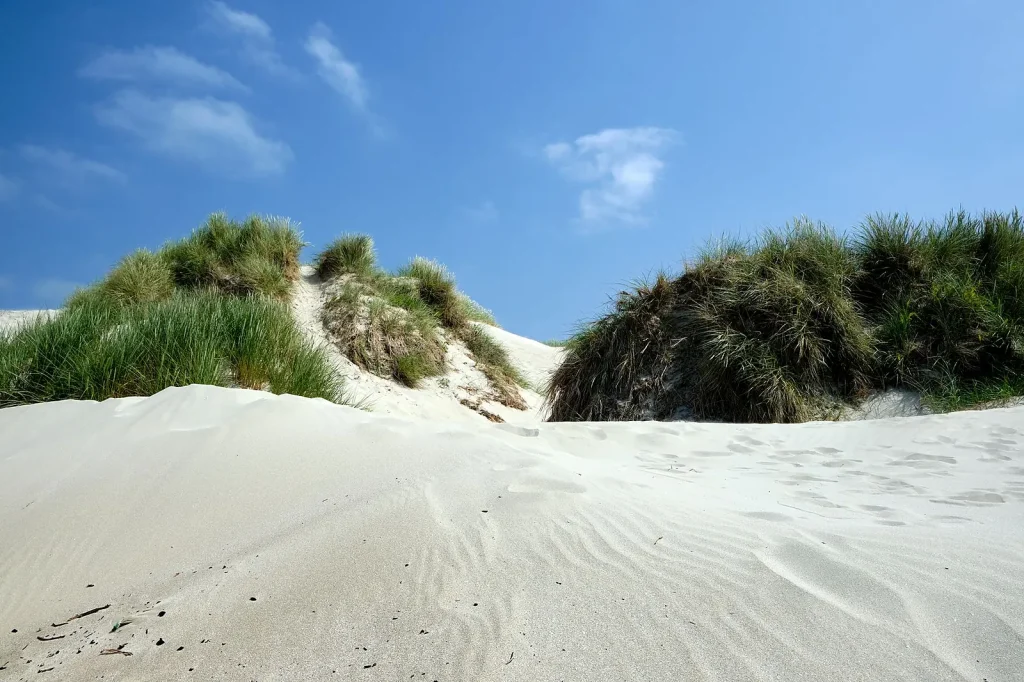
Reinforcement of dunes near Vlissingen aims to address erosion and future-proof the coastline.
The coastal dunes near Vlissingen are set to undergo significant reinforcement this fall, with the addition of 10,000 cubic meters of sand. This effort, spearheaded by Waterschap Scheldestromen and Rijkswaterstaat, aims to combat the accelerated erosion affecting the area. While the current state of the dunes is not deemed unsafe, the project is a proactive measure to ensure long-term protection.
Addressing Coastal Erosion
Rising sea levels have become a pressing concern for many coastal areas in the Netherlands, and Vlissingen is no exception. The planned reinforcement will focus on widening the narrow sections of the dunes and smoothing their profiles to better withstand erosion. This project is expected to last about ten weeks, commencing in the fall of 2026.
The addition of 10,000 cubic meters of sand is equivalent to around 500 to 550 truckloads, a considerable amount aimed at enhancing the resilience of this vital stretch of coastline. The erosion between Vlissingen and Dishoek has been notably fast, necessitating swift action to maintain stability and safety.
Collaborative Efforts for Future Safety
Waterschap Scheldestromen, the regional water authority, and Rijkswaterstaat, the national agency responsible for roads and waterways, are leading this initiative. Their collaboration shows the importance of addressing environmental challenges through coordinated efforts. By reinforcing the dunes, the agencies aim to mitigate the risks posed by extreme weather events that frequently batter the region.
Despite the immediate focus on reinforcement, the project is part of a broader strategy to adapt to the changing climate. Coastal protection measures like these are crucial in safeguarding communities and ecosystems from potential future threats.
According to a spokesperson from Rijkswaterstaat, “This reinforcement project is essential to ensure that our coastal defenses remain strong against the challenges posed by rising sea levels and storm surges.” The sentiment highlights the ongoing commitment to maintaining the integrity of the Netherlands’ coastal defenses.
Background: Coastal Challenges in the Netherlands
The Netherlands has a long history of battling the sea, with much of the country sitting below sea level. Coastal reinforcement projects are a critical component of the country’s strategy to protect its land and people. The dunes serve as natural barriers against the sea, and their maintenance is key to preventing flooding and land erosion.
Recent years have seen an increase in the frequency and intensity of storms, which has accelerated the erosion of coastal regions. The Dutch government has been proactive in implementing measures to address these changes, with projects like the Vlissingen dune reinforcement serving as an example of such efforts.
What Happens Next?
Once the reinforcement project begins, residents and visitors to the area can expect some temporary disruptions. However, the long-term benefits of a more resilient coastline far outweigh the short-term inconveniences. The work is scheduled to be completed by the end of the year, weather permitting.
Looking ahead, the success of this project could serve as a model for similar efforts in other vulnerable coastal areas. The commitment to protecting the Dutch coastline remains a top priority, ensuring that future generations can continue to enjoy the unique landscape that defines the Netherlands.
For more information on coastal protection and ongoing projects, visit the official websites of Rijkswaterstaat and Waterschap Scheldestromen.