
Reza Pahlavi Visit to The Hague Iranian Division
Reza Pahlavi's visit to The Hague has sparked both support and protests, revealing divisions within the Iranian community in the Netherlands.
Published 6 July 2026 · 17:06 CET
2 min read
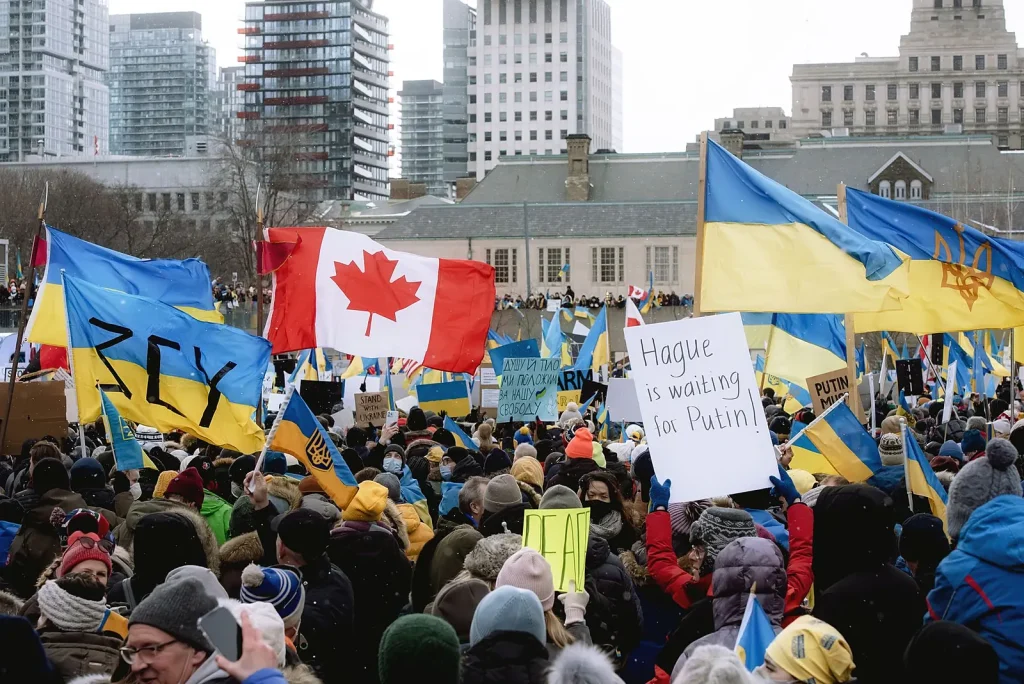
Protests and support highlight tensions within the Iranian community in the Netherlands.
Reza Pahlavi’s visit to The Hague has brought to light significant divisions within the Iranian community in the Netherlands. Pahlavi, the son of the last Shah of Iran, was met with both enthusiastic support and vocal criticism.
Protests and Support in The Hague
While some members of the Iranian diaspora in the Netherlands welcomed Pahlavi with open arms, others were less pleased. Supporters view Pahlavi as a potential leader who could bring about change in Iran.
However, critics argue that Pahlavi lacks democratic legitimacy and does not adequately represent the diverse Iranian community. Many protestors voiced concerns about his inability to distance himself from the human rights abuses associated with his father’s regime.
Political Repercussions
The visit has reignited discussions about Iranian politics within the Dutch Iranian community. This move has sparked debates about the role of foreign figures in domestic politics.
Some Dutch political analysts suggest that the invitation to Pahlavi may signal a broader interest in engaging with the Iranian diaspora. However, the presence of protestors highlights the complexities and varied opinions within this community.
The Iranian community in the Netherlands is diverse, with individuals holding a wide range of political beliefs. This diversity was evident in the streets of The Hague, where both supporters and critics of Pahlavi voiced their opinions. The event shows the challenges of uniting a diaspora with such varied perspectives.
Background
Reza Pahlavi is the eldest son of Mohammad Reza Pahlavi, the last Shah of Iran, who was overthrown during the Iranian Revolution of 1979. Since then, Pahlavi has lived in exile, advocating for regime change in Iran. He has often faced criticism for failing to fully address the human rights abuses committed during his father’s reign.
Despite these criticisms, Pahlavi remains a significant figure for many Iranians who oppose the current regime. His recent visit to the Netherlands highlights the ongoing tensions within the Iranian diaspora, as well as the broader geopolitical implications of Iranian politics.
What Happens Next?
The aftermath of Pahlavi’s visit may have lasting effects on the Iranian community in the Netherlands. It has sparked renewed interest in the political dynamics of the Iranian diaspora and their influence on Dutch politics.
As discussions continue, it how political parties in the Netherlands will engage with the Iranian community moving forward. The complexities of Iranian politics and diaspora dynamics are likely to keep this issue in the spotlight.
For now, Reza Pahlavi’s visit has brought both unity and division to the forefront, leaving many to ponder the future of Iranian representation in the Netherlands.
For more information about the Iranian community in the Netherlands, visit the official website of the Dutch government or explore further details about Reza Pahlavi’s political activities on Wikipedia.

More from the desk