Funding Boost for Practical Subjects in Dutch Schools
Dutch secondary schools are set to receive additional funding to expand practical subjects, focusing on vocational and hands-on education.

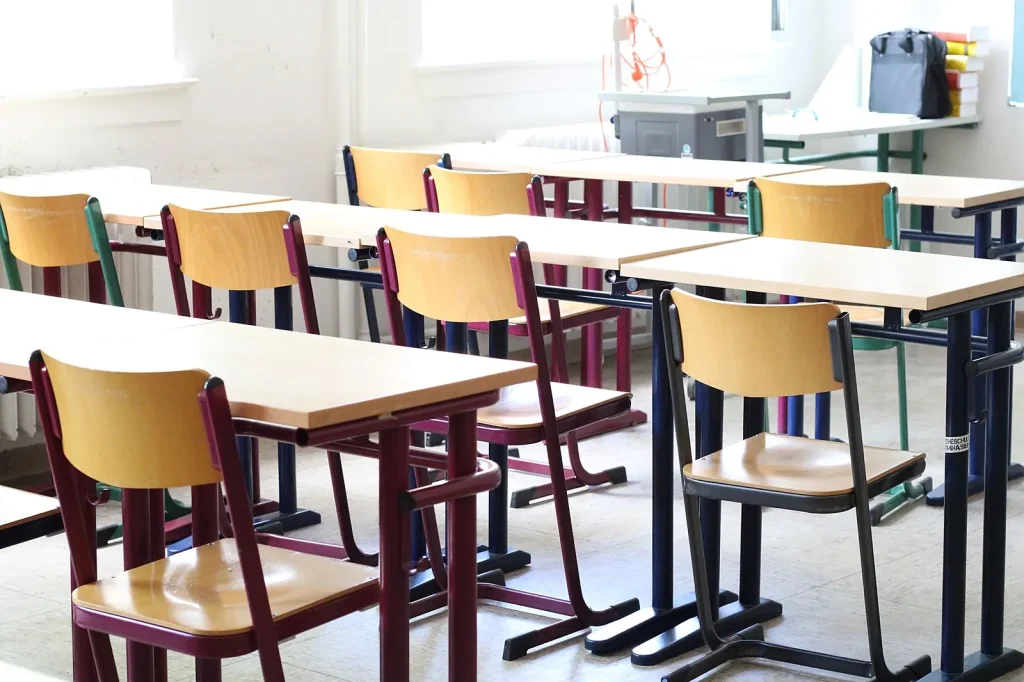
Dutch secondary schools will receive extra funding to enhance vocational and hands-on learning, preparing students for the job market.
In a move to better prepare students for the evolving job market, Dutch secondary schools will receive additional funding to expand their curriculum with more practical subjects. This initiative aims to integrate vocational and hands-on training into school programs, equipping students with the skills needed for various trades and industries.
The Dutch government has recognized the importance of adapting education to meet the demands of the modern workforce. By focusing on practical subjects, schools will provide students with valuable experience and knowledge that align with current employment trends.
Why Practical Education Matters
The decision to increase funding for practical subjects is part of a broader effort to address skill gaps among young people. As industries evolve, the need for a workforce skilled in both theoretical and practical aspects becomes crucial. Practical education offers students the opportunity to engage in real-world scenarios, enhancing their problem-solving and critical-thinking abilities.
Education professionals have praised the initiative, highlighting its potential to create a more adaptable and skilled workforce. “This funding will allow schools to offer courses that are directly aligned with industry needs,” said an education spokesperson. “It is a significant step toward bridging the gap between education and employment.”
Impact on Students and the Economy
By focusing on vocational and hands-on learning, students will be better equipped to enter the workforce with confidence. The additional funding will support the development of courses in fields such as technology, engineering, and healthcare. These areas are in high demand, and equipping students with relevant skills will enhance their employability.
the initiative is expected to benefit the wider economy. A skilled workforce is essential for economic growth, and by preparing students for the job market, the Netherlands can ensure a steady supply of qualified professionals. This approach aligns with the country’s commitment to fostering innovation and competitiveness.
According to the rijksoverheid, the funding is part of a series of educational reforms aimed at modernizing the curriculum. These reforms are designed to keep pace with technological advancements and global economic shifts.
Looking Ahead
The implementation of this funding will require collaboration between schools, industry partners, and policymakers. By working together, they can create a curriculum that is both relevant and effective. The success of this initiative will depend on the active involvement of all stakeholders in shaping a future-ready education system.
As the Netherlands continues to adapt to the changing demands of the job market, the focus on practical education will play a vital role in ensuring that students are well-prepared for their careers. This funding boost is a positive step towards creating a more dynamic and responsive education system.
For more information on the government’s educational policies, visit the Parlement.com. These resources provide insights into the ongoing efforts to enhance the quality of education in the Netherlands.