Oldebroek LGBTI Protest Draws 100, Fears Over Policy Changes
In Oldebroek, 100 people protested changes to LGBTI policies, opposing the halt of rainbow flag displays.

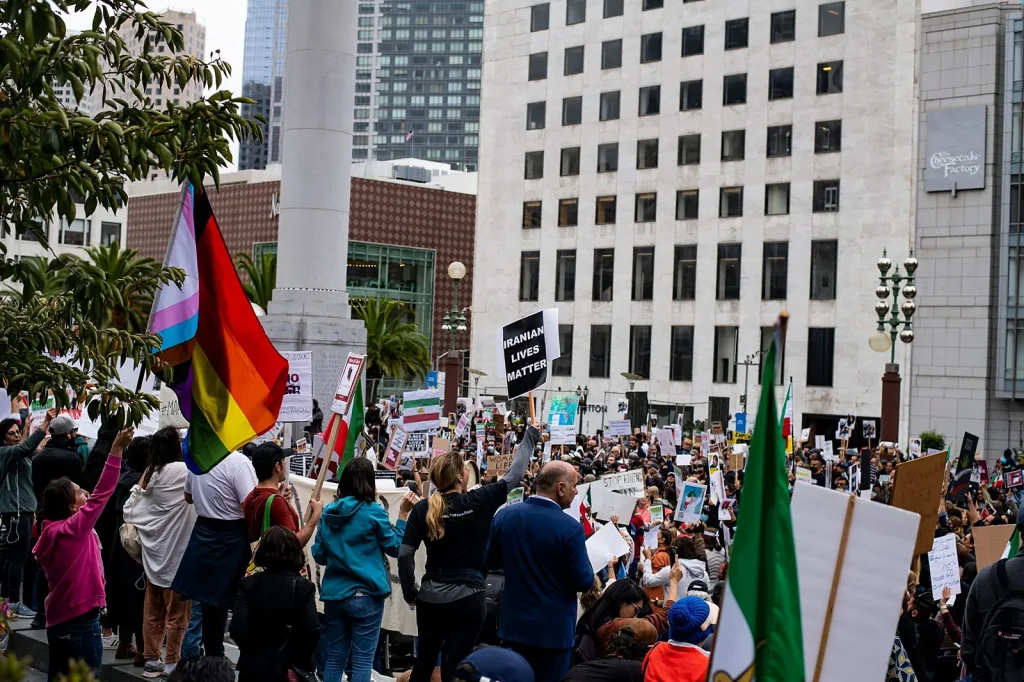
Protesters in Oldebroek oppose new coalition’s decision to halt LGBTI inclusivity measures.
In Oldebroek, a small town in the province of Gelderland, approximately 100 people gathered to protest against the local government’s recent decision to alter LGBTI-related policies. The demonstration took place outside the town hall, where participants voiced their disapproval of the new coalition’s plans to discontinue several inclusivity measures.
The primary focus of the protest was the coalition’s decision to stop flying the rainbow flag on Coming-Out Day. This symbolic gesture has been a longstanding tradition in Oldebroek, reflecting the town’s support for the LGBTI community. Protesters expressed concerns that the removal of such symbols could signal a step backward for inclusivity and acceptance.
Community Reaction to Policy Changes
The protest was organized by local activists who argue that the changes undermine efforts to create a safe and inclusive environment. According to one organizer, the decision to scrap these policies sends a negative message to both residents and visitors. “We are standing here today to show that our community values inclusivity and safety,” said a spokesperson for the protest.
Many participants held banners and signs calling for the continuation of LGBTI support in the town. The atmosphere remained peaceful, with demonstrators emphasizing the importance of dialogue and understanding. The protest reflects broader societal tensions about inclusivity and the role of government in supporting minority communities.
Policy Changes Spark Debate
The new coalition in Oldebroek has defended its decision, arguing that the changes are part of a broader policy shift aimed at addressing different community priorities. However, critics argue that removing the rainbow flag and other supportive measures could alienate LGBTI residents and visitors.
Oldebroek’s decision is part of a wider national conversation about the visibility and support of LGBTI communities in the Netherlands. While many Dutch municipalities have taken steps to enhance inclusivity, others have faced criticism for perceived rollbacks.
According to the rijksoverheid, inclusivity policies are crucial for fostering a society where everyone feels safe and respected. The removal of such policies can have significant impacts on community morale and the perception of safety for LGBTI individuals.
Background on the Coalition’s Decision
The coalition, which recently took power in Oldebroek, has not provided detailed reasons for the policy changes. Nonetheless, the decision has sparked concern among residents and advocacy groups. Many fear that this could set a precedent for other towns considering similar measures.
Local government decisions, such as these, are often influenced by broader political trends and societal attitudes. In this case, the coalition’s stance appears to be aligned with a more conservative approach to governance, focusing on traditional values.
What Happens Next?
The protest in Oldebroek is one of several actions planned by local activists to oppose the policy changes. Organizers have pledged to continue their efforts to engage with the local government and advocate for the reinstatement of LGBTI-supportive measures.
As the situation develops, both supporters and opponents of the policy changes will likely continue to voice their perspectives. The outcome of this debate could have implications for similar discussions in other Dutch towns and municipalities.
For now, the protest serves as a reminder of the ongoing struggle for inclusivity and the importance of community engagement in shaping local policies. The coming weeks may see further discussions and potentially more demonstrations as residents of Oldebroek handle these changes.