IJsselstein Protest Area Bans Impact Fewer Than 10 People
Protests at a refugee center in IJsselstein result in area bans for fewer than ten individuals, highlighting community tensions.

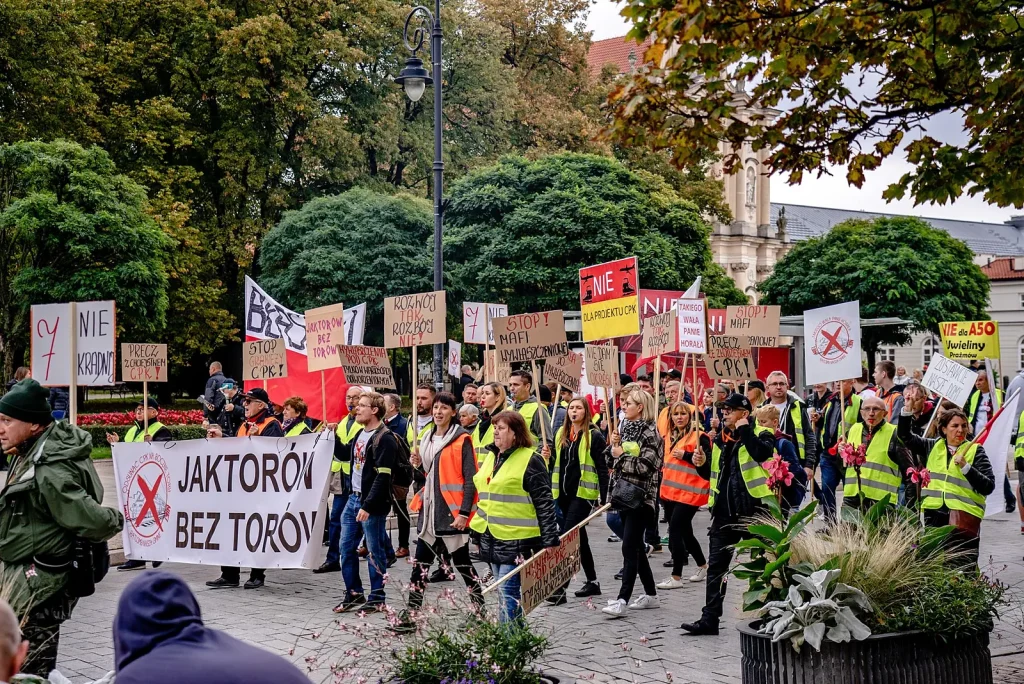
Protests against a refugee center in IJsselstein lead to area bans, raising local tensions.
In IJsselstein, a town in the province of Utrecht, recent protests at a refugee center have resulted in area bans for several demonstrators. The bans were issued following incidents of intimidation and vandalism during a protest earlier this week. These developments shows the ongoing tensions in Dutch communities regarding refugee facilities and their impact on local safety and policy.
Area Bans Following Incidents
IJsselstein burgemeester Weststeijn confirmed that fewer than ten individuals received area bans. These measures were taken to ensure safety and maintain order around the refugee center, which currently accommodates 150 individuals. Weststeijn emphasized the importance of balancing the legal right to protest with respect for community safety and property. “The right to protest is fundamental, but actions that cross legal boundaries will not be tolerated,” Weststeijn stated.
The protest had drawn attention due to its escalation into acts of intimidation and vandalism. These incidents prompted local authorities to act decisively to prevent further disruption. The area bans are part of a broader effort to address the tensions surrounding the refugee center and ensure that protests remain peaceful.
Community Reaction and Impact
The situation in IJsselstein reflects a wider national debate on the presence and management of refugee centers in the Netherlands. These centers often become focal points for local concerns, leading to divisions within communities. In IJsselstein, the protest has sparked a range of reactions from residents, with some supporting the demonstrators’ concerns while others emphasize the need for compassion and integration.
Local authorities are working to address these community divisions by engaging in dialogues with residents and stakeholders. The aim is to foster understanding and find solutions that respect both the rights of refugees and the concerns of local citizens. The area bans serve as a reminder of the fine line between exercising democratic rights and maintaining public order.
According to a recent report by the Centraal Bureau voor de Statistiek (CBS), the Netherlands has seen a rise in the number of refugees in recent years, which has led to increased pressure on local governments to manage community relations effectively.
Background and Future Outlook
The refugee center in IJsselstein is part of a national network of facilities aimed at providing temporary housing and support for asylum seekers. These centers are often located in small towns and cities, which can lead to heightened tensions due to perceived impacts on local resources and safety.
As the Netherlands continues to handle the challenges of accommodating refugees, the situation in IJsselstein serves as a microcosm of the broader national debate. The government’s approach involves balancing humanitarian obligations with local community interests, a task that requires careful management and open communication.
Looking ahead, authorities in IJsselstein and other affected areas will likely continue to monitor the situation closely. Efforts to engage with community members and address their concerns will be crucial in maintaining harmony and preventing further conflicts. The recent area bans highlight the need for clear guidelines on protest activities and a commitment to upholding both safety and democratic rights.
For more information on the Dutch government’s policies regarding refugee centers, visit the rijksoverheid website.