

Chip Shortage Boosts Dutch Electronics Prices by 15%
Electronics prices in the Netherlands rise as chip demand for AI data centers grows, affecting consumer costs.
Published 11 July 2026 · 12:04 CET
2 min read
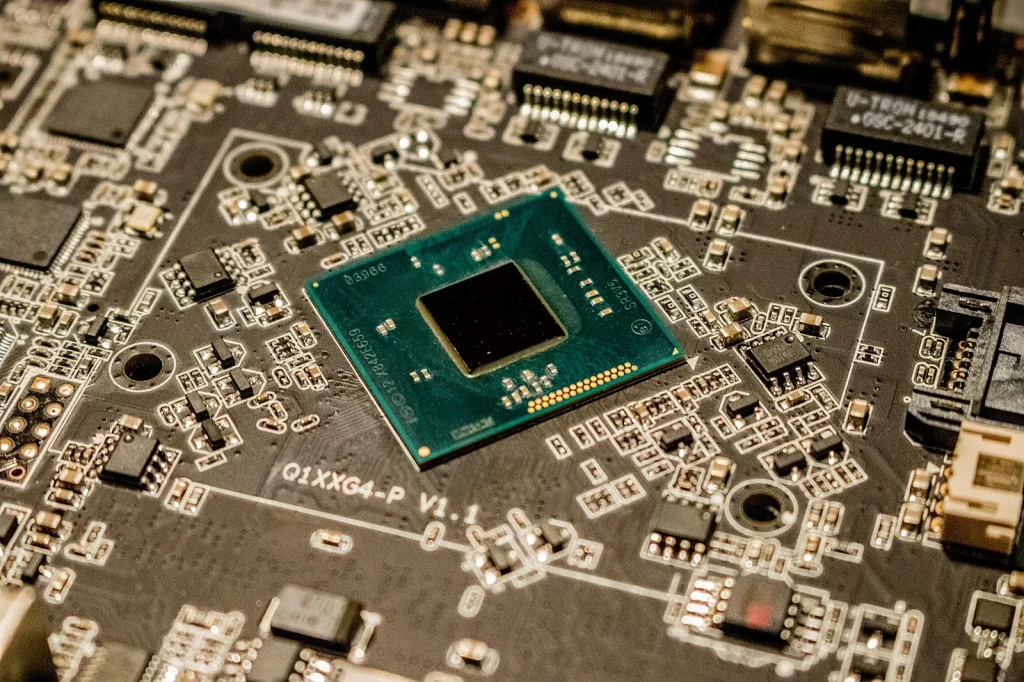
Dutch consumers face higher costs for laptops and smartphones due to increased chip demand in AI data centers.
The ongoing chip shortage is causing a noticeable increase in electronics prices in the Netherlands. Laptops and smartphones are becoming more expensive, impacting Dutch consumers who are already feeling the pinch of inflation. The primary driver behind this price surge is the heightened demand for semiconductor chips in AI data centers.
According to industry experts, the demand for chips used in artificial intelligence applications is redirecting supply away from consumer electronics. This shift is leading to a reduction in the availability of chips for devices like laptops and smartphones. As a result, consumers are facing higher costs for these essential products.
Impact on Dutch Consumers
For Dutch consumers, the increase in electronics prices is a significant concern. Many households rely on laptops and smartphones for work, education, and daily communication. The rising costs mean that families may need to reconsider their purchasing decisions or delay upgrades to their existing devices.
Tech analyst Jan de Vries noted, “The chip shortage is creating a bottleneck in the supply chain, which is directly impacting the affordability of consumer electronics. It’s a challenging time for consumers who expect technology to become more accessible and affordable over time.”
This trend is not only affecting individual buyers but also businesses that depend on technology to operate efficiently. Companies may face increased expenses when updating their equipment, potentially affecting their operational budgets.
Broader Trends in Technology and Supply Chains
The chip shortage highlights broader trends in the global technology sector. The increased demand for chips in AI data centers is part of a larger movement towards digital transformation, where businesses and governments invest heavily in data processing and automation technologies.
This demand surge is putting pressure on chip manufacturers to prioritize high-margin sectors like AI over consumer electronics. Consequently, the supply for everyday devices is squeezed, leading to higher prices for consumers.
The situation also shows the interconnected nature of global supply chains. Disruptions in chip production, whether due to geopolitical tensions or natural disasters, can have far-reaching effects on various industries worldwide. The Netherlands, with its strong tech sector, is not immune to these global shifts.
In response, some companies are exploring alternative strategies to mitigate the impact. These include increasing investment in local chip production and seeking new partnerships to secure a stable supply of semiconductors. However, such measures may take time to materialize and may not immediately alleviate the current price pressures.
Looking ahead, industry experts suggest that consumers may need to adjust their expectations regarding the affordability of technology. The traditional notion that technological devices become cheaper and more efficient over time is being challenged by these supply chain constraints.
As the situation evolves, Dutch consumers and businesses alike will need to handle this landscape carefully, balancing the need for new technology with the realities of rising costs.

More from the desk