Dutch Archaeologists Uncover 3000-Year-Old Tomb in Egypt
Dutch archaeologists have uncovered a 3000-year-old tomb in Luxor, Egypt. The tomb, belonging to Paser, offers a glimpse into ancient Egyptian rituals.

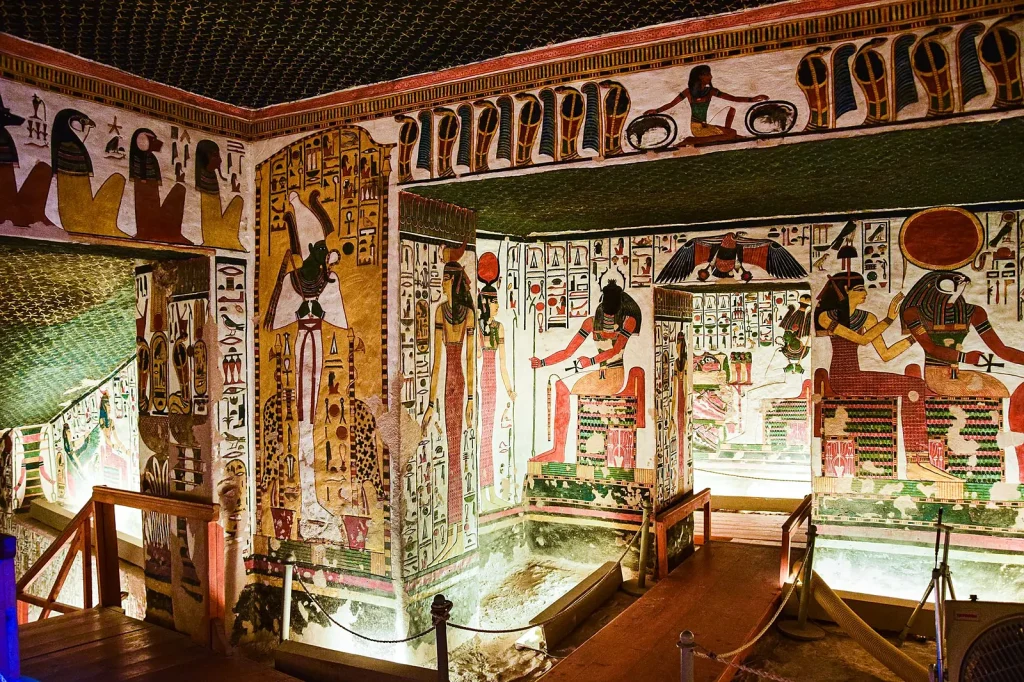
The ancient tomb of Paser, from the Ramesside period, offers new insights into Egypt’s rich history.
Dutch archaeologists have made a groundbreaking discovery in Luxor, Egypt, unearthing a tomb that dates back 3000 years. The tomb belongs to an individual named Paser, who lived during the Ramesside period. This period is renowned for its significant contributions to ancient Egyptian civilization.
The Discovery of Paser’s Tomb
The team of archaeologists, led by Egyptologist Carina van den Hoven, found the tomb near the Valley of the Nobles, a site that draws millions of tourists each year. The tomb’s location in such a historically rich area has amplified the excitement surrounding the find. Within the tomb, complex wall decorations depict Paser engaged in ritual worship, providing a unique window into the religious practices of the time.
Van den Hoven expressed her enthusiasm about the discovery: “The details in the wall art and inscriptions are remarkably well-preserved, offering us a rare glimpse into the life and duties of Paser.” These findings are expected to provide valuable insights into the societal roles and religious practices that characterized the Ramesside period.
Significance of the Findings
The Ramesside period, named after the series of pharaohs called Ramses, was a time of prosperity and cultural richness in ancient Egypt. The discovery of Paser’s tomb adds depth to our understanding of this era. The tomb’s inscriptions and artifacts are being meticulously studied to gather more information about Paser’s status and contributions to society.
The Valley of the Nobles, located near the newly discovered tomb, is renowned for its elaborate burial sites of high-ranking officials and nobles. This suggests that Paser held a significant position, possibly as a high-ranking official or a person of considerable influence.
According to the Dutch archaeological team, the tomb’s decorations and inscriptions will be crucial in piecing together the cultural and religious dynamics of the time. This discovery not only enriches our knowledge of ancient Egypt but also highlights the ongoing importance of international archaeological collaborations in uncovering historical truths.
Background and Future Exploration
The discovery of Paser’s tomb is not an isolated event but part of a broader initiative by international teams to explore Egypt’s ancient history. Dutch archaeologists have been actively involved in Egyptian excavations for several years, contributing to significant discoveries that shed light on the country’s past.
Further analysis of the tomb’s inscriptions and artifacts is expected to continue in the coming months. The team hopes to uncover more about Paser’s life, his role in society, and the broader cultural context of the Ramesside period. This ongoing research is anticipated to provide new insights into ancient Egyptian civilization and its enduring legacy.
The collaboration between Dutch archaeologists and their international counterparts shows the global importance of preserving and understanding historical sites. As more discoveries emerge, the world gains a richer understanding of the complexities and achievements of ancient societies.
For more information on this discovery, you can visit the Dutch government’s culture page or explore more about the Valley of the Nobles.