Eindhoven and Defense Apologize 30 Years After Hercules Crash
Eindhoven and the Defense Ministry apologize for the 1996 Hercules crash aftermath, acknowledging survivors' and families' struggles.

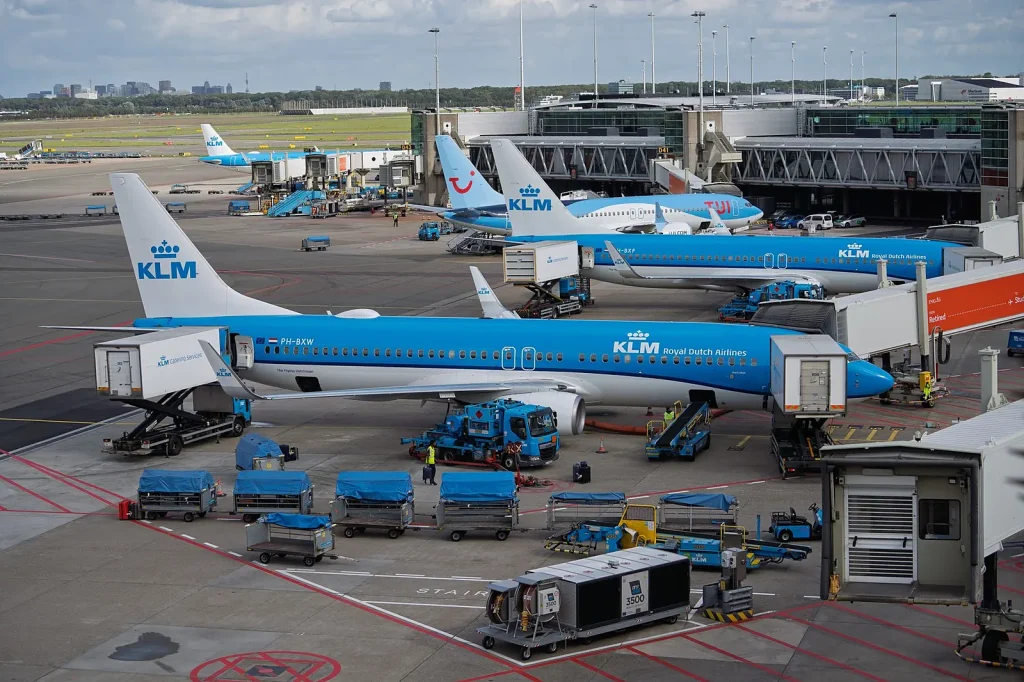
Eindhoven and Defense Ministry apologize for the 1996 Hercules crash aftermath, addressing survivors’ and families’ longstanding concerns.
Eindhoven and the Dutch Defense Ministry have issued a formal apology concerning the mishandling of the aftermath of the 1996 Hercules crash. This apology marks a significant step in acknowledging the struggles faced by survivors and the families of victims over the past 30 years.
The crash of the Belgian military transport plane at Eindhoven Air Base resulted in the loss of 34 lives, leaving deep scars on those affected. Survivors and bereaved families have long voiced their concerns over the lack of support and recognition they received in the years following the disaster.
Eindhoven and Defense Apology
During a memorial event held at Eindhoven Air Base, Eindhoven’s mayor, Jeroen Dijsselbloem, and Defense representative André Steur addressed the gathering. Dijsselbloem emphasized the importance of open dialogue, stating, “It is crucial that we talk about it together.”
Steur acknowledged the unresolved questions and insufficient support that compounded the survivors’ and families’ burdens. “Many unresolved questions and insufficient support have added to the burden,” he said, recognizing the emotional toll that the lack of clarity has taken over the years.
The formal apology aims to provide some closure to those affected, as the city and the Defense Ministry work to address the historical grievances associated with the incident.
Impact of the 1996 Hercules Crash
The crash occurred on July 15, 1996, when the C-130 Hercules plane crashed shortly after takeoff from Eindhoven Air Base. The incident was marked by miscommunication and a delayed response, which significantly affected rescue and recovery efforts.
Families of the victims have long struggled with feelings of neglect, as they sought answers and support from authorities. The lack of official recognition and assistance has lingered, influencing public sentiment and policy regarding military and civil disaster responses in the Netherlands.
Over the years, this tragedy has prompted discussions about improving transparency and communication in crisis situations. The recent apologies represent a shift towards acknowledging past mistakes and fostering better practices in disaster management.
The memorial event served as a platform for reflection and healing, as those affected gathered to remember and honor their loved ones. It also highlighted the need for continuous dialogue and support for the survivors and families who still carry the weight of the tragedy.
As the Netherlands looks back on this event, the apologies from Eindhoven and the Defense Ministry signify a step toward reconciliation and understanding. The focus now shifts to ensuring that lessons learned from this incident inform future responses to similar crises, both in Eindhoven and across the country.