Dutch Tree Drought Impact: Fijnspar and Beech Threatened
Persistent drought conditions are impacting Dutch trees, particularly fijnspar and beech, highlighting the need for urgent environmental policy changes.

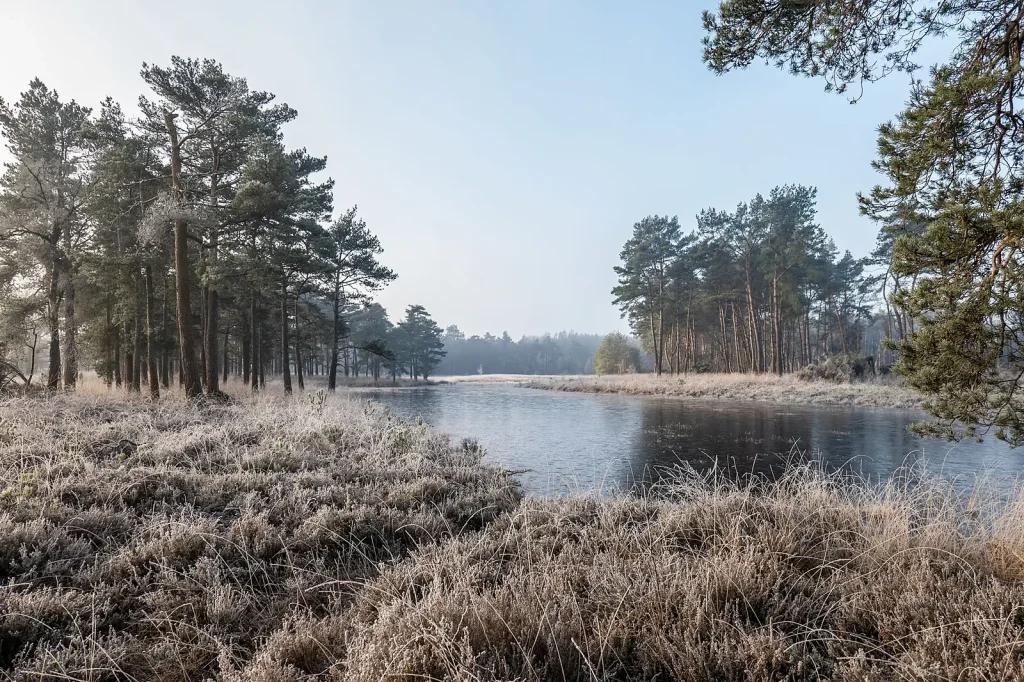
Ongoing drought conditions severely threaten the survival of Dutch trees, with fijnspar and beech trees most affected.
The Dutch landscape is facing a significant challenge as persistent drought conditions continue to impact its trees. The fijnspar and beech trees are among the most affected, raising concerns about the future of urban greenery in the Netherlands. The urgency for innovative urban planning and environmental policies is more apparent than ever.
Impact on Fijnspar and Beech Trees
Staatsbosbeheer, the agency responsible for managing Dutch forests, has reported a noticeable die-off in trees, particularly those planted on higher sandy soils. These conditions have led to a reduction in resin production, which in turn makes trees more susceptible to insect infestations. The fijnspar, a common species in the Netherlands, is particularly vulnerable under these circumstances.
Meanwhile, beech trees are prematurely shedding their leaves in an attempt to conserve water. This phenomenon creates an autumn-like appearance in the middle of summer. The early leaf drop is a survival mechanism but indicates significant stress, affecting the tree’s overall health and growth.
Climate Change and Urban Tree Survival
Marc Ravesloot from CSI Trees has issued a stark warning about the future. He stated, “Within fifty years, trees in urban environments globally might not survive without significant changes.” This prediction shows the urgency of addressing climate change impacts on urban forestry. Rising temperatures and prolonged drought conditions are lowering the resilience of trees, making it crucial to adapt urban planning and environmental policies.
Climate change is not only increasing temperatures but also affecting precipitation patterns. As a result, trees in cities, which already face challenges from pollution and limited space, are under even greater threat. The situation demands immediate attention to ensure the survival of urban greenery.
Experts are calling for innovative solutions to preserve these vital green spaces. Potential measures include selecting more drought-resistant species, improving irrigation systems, and designing cities that enhance natural water retention.
Background
The Netherlands, known for its lush landscapes and green spaces, is experiencing noticeable changes due to climate impacts. The fijnspar and beech trees, essential components of Dutch forests, play a crucial role in maintaining biodiversity and providing ecological benefits. Their struggle highlights the broader implications of climate change on natural ecosystems.
Historically, the Netherlands has managed to maintain its green spaces through careful planning and management. However, the current challenges require a reevaluation of strategies to adapt to the changing climate. Ensuring the survival of these trees is not just an environmental issue but also a cultural one, as they form an integral part of Dutch heritage.
What Happens Next?
The ongoing drought and its effects on Dutch trees have prompted discussions among policymakers, environmentalists, and urban planners. Immediate actions are necessary to mitigate the impact and secure the future of urban forestry. This includes revising current policies, investing in research for innovative solutions, and increasing public awareness about the importance of preserving urban greenery.
The situation also presents an opportunity for the Netherlands to lead by example in developing sustainable urban environments that can withstand the challenges posed by climate change. As the country handle these difficulties, the lessons learned could provide valuable insights for other nations facing similar issues.