Netherlands Water Shortage Escalates, Threatens Dike Safety
The Netherlands faces an official water shortage due to drought, prompting a level 2 response to safeguard dikes and essential services.

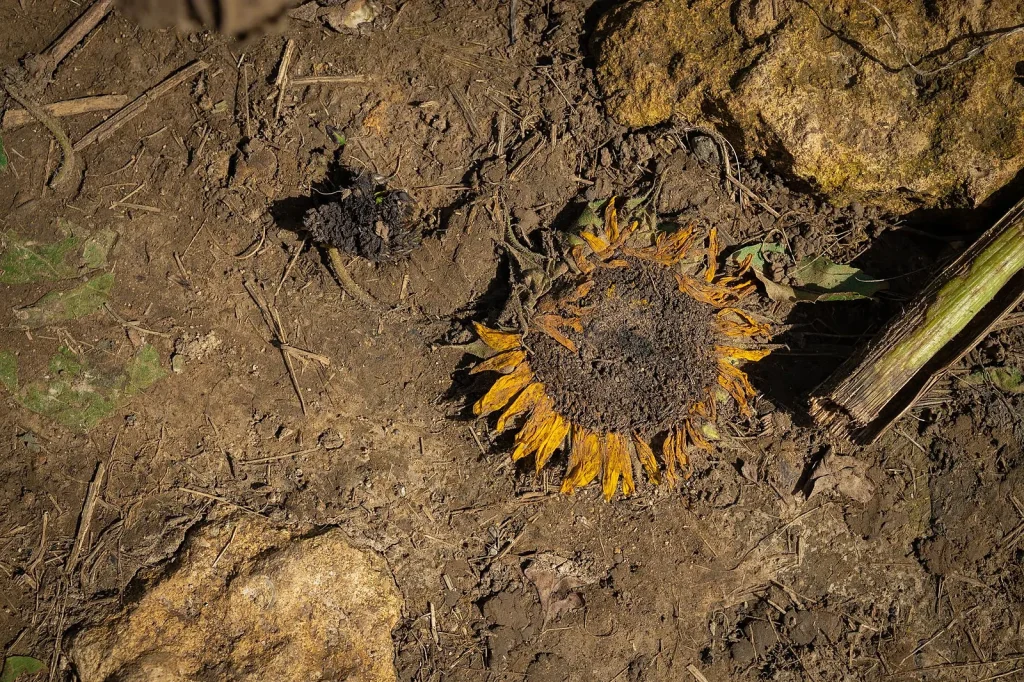
Drought conditions lead to level 2 response, impacting water distribution and essential services across the country.
The Netherlands is grappling with a significant water shortage, officially declared due to prolonged drought conditions. Rijkswaterstaat, the agency responsible for Dutch roads and waterways, along with other water management authorities, has escalated the drought response to level 2. This development shows the urgent need to allocate water resources strategically, prioritizing essential services and ensuring the safety of water barriers and dikes.
Level 2 Response and Its Implications
With the escalation to level 2, the focus has shifted to the distribution of water for critical needs such as drinking water supplies and the safety of dikes. The transition to this level indicates a more serious approach to managing water resources. Historically, a level 3 response has been reserved for national crises, highlighting the gravity of the current situation.
Rijkswaterstaat and local water authorities are working tirelessly to ensure that the water available is directed towards vital areas. This includes maintaining the integrity of dikes, which are crucial for preventing floods in the low-lying regions of the Netherlands. The safety of these structures is top, given the country’s vulnerability to rising water levels.
Challenges and Strategic Decisions
The ongoing drought presents significant challenges for the Netherlands, a country renowned for its complex water management systems. The dry conditions have stressed these systems, forcing authorities to make tough decisions about water allocation. The response level escalation aims to prevent the situation from worsening and to avoid reaching a crisis point.
Water authorities are also urging the public to conserve water wherever possible. Measures such as reducing water usage in households and industries are being encouraged. These efforts are critical to preserving the limited water supply and ensuring that essential services continue to function efficiently.
The drought has also sparked discussions about long-term water management strategies. Experts are calling for innovations in water conservation and infrastructure improvements to enhance the country’s resilience to such climatic challenges.
In an official statement, a spokesperson for Rijkswaterstaat said, “We are prioritizing the safety of our water barriers and ensuring that essential services receive the water they need. It’s crucial that we manage our resources effectively to prevent further escalation.”
Background
The Netherlands has a long history of battling water-related challenges. Its geographical location makes it prone to both flooding and droughts, necessitating strong water management strategies. The current drought is one of the most severe in recent years, prompting authorities to take decisive action.
The country’s network of dikes, canals, and waterworks is among the most advanced globally. However, the changing climate and its impacts require continuous adaptation and innovation to safeguard these systems.
What Happens Next?
Authorities will continue to monitor the situation closely, ready to implement additional measures if necessary. The cooperation between Rijkswaterstaat, local water boards, and the public is crucial in navigating this crisis. The goal is to ensure that the Netherlands can weather the drought without compromising its infrastructure or essential services.
As the situation develops, it will serve as a critical test of the Netherlands’ water management capabilities. The lessons learned from this drought will likely influence future policies and strategies, aiming to enhance the country’s resilience to similar challenges.
For more detailed information about the current measures and advice on water conservation, residents are encouraged to visit the Rijkswaterstaat website and KNMI for weather updates.