Online Medication Concerns Rise as Trimbos-instituut Probes Risks
Online medication concerns grow as Trimbos-instituut launches a study to understand why people purchase drugs online and the associated risks.

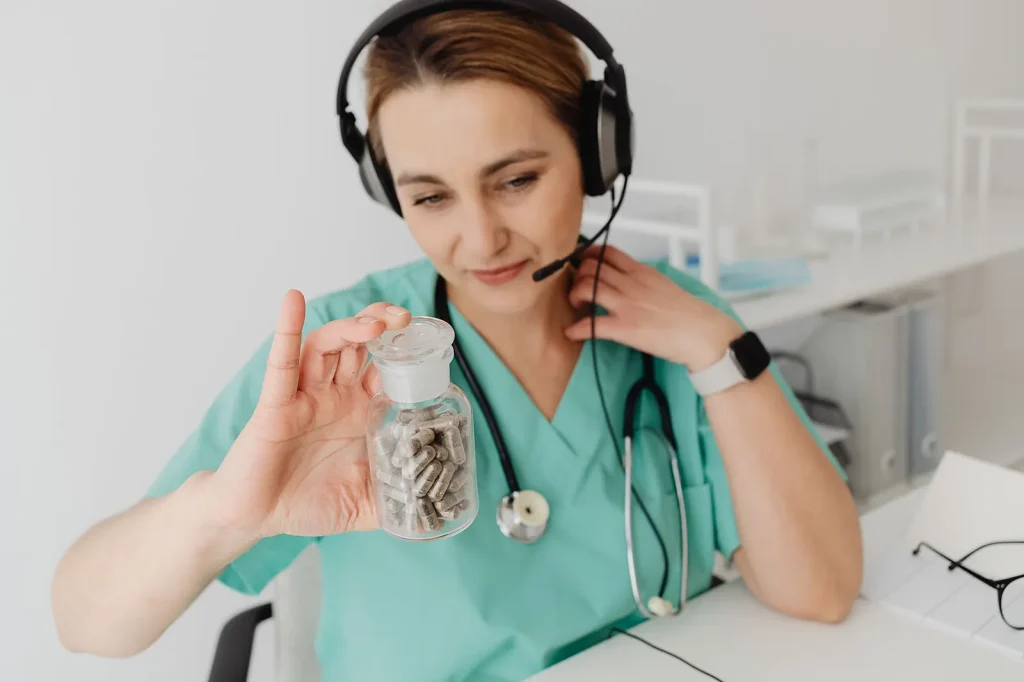
Trimbos-instituut investigates the growing trend of buying medication online, aiming to understand its impact on public health.
The Trimbos-instituut in the Netherlands is raising concerns over the increasing trend of purchasing medication online. In response, the institute has launched a new research initiative to examine into the demographics and motivations behind this behavior.
Understanding the Motivation
The study aims to identify who is buying medication online and why. Laura Smit-Rigter, a researcher at Trimbos-instituut, emphasized the importance of this research, stating, “It’s crucial to find out why some people prefer these alternatives and how they can be guided back to regular healthcare.” By understanding these motivations, policymakers hope to develop strategies to encourage safer practices.
Online medication purchasing presents various risks, including the potential for counterfeit drugs and incorrect dosages. These dangers shows the need for comprehensive research to protect public health. The study intends to map out the demographics of those most likely to buy medication online, providing insights into age, location, and socio-economic status.
Link to Fatalities
Previous investigations have shown that online drug purchases can lead to severe health consequences. The ease of access and anonymity provided by online platforms make it easier for individuals to bypass traditional healthcare systems. This trend has prompted concern among healthcare professionals and the public. By addressing these issues, the Trimbos-instituut hopes to mitigate risks and promote informed decision-making among consumers.
The study will also explore the reasons behind the reluctance to seek traditional medical advice. Factors such as convenience, cost, and privacy concerns are believed to play a role in this shift. Understanding these factors will be key to developing effective interventions.
Health Minister Sophie Hermans has expressed her support for the study, highlighting its potential to improve public safety. “This research is vital for understanding self-medication habits and ensuring that individuals receive the care they need,” she said.
Background and Future Steps
The Trimbos-instituut, known for its work in mental health and addiction, has a long history of research aimed at improving public health. This new study builds on their previous efforts to understand and combat the misuse of medication. The findings will likely inform future policy decisions and healthcare practices.
Once the study is complete, the results will be shared with healthcare providers and policymakers to develop targeted interventions. These could include public awareness campaigns, stricter regulations on online sales, and enhanced support for those struggling with self-medication.
As the research progresses, the Trimbos-instituut encourages public engagement and feedback. By involving the community, they hope to create a comprehensive understanding of the issue and work towards solutions that benefit all.
For more information about the study and its implications, visit the Trimbos-instituut website or follow updates from the Dutch government.