Chemelot Faces 30% Energy Cost Rise Amid Asian Competition
Chemelot grapples with high energy costs and Asian competition, affecting its operations. Sustainability concerns also rise.

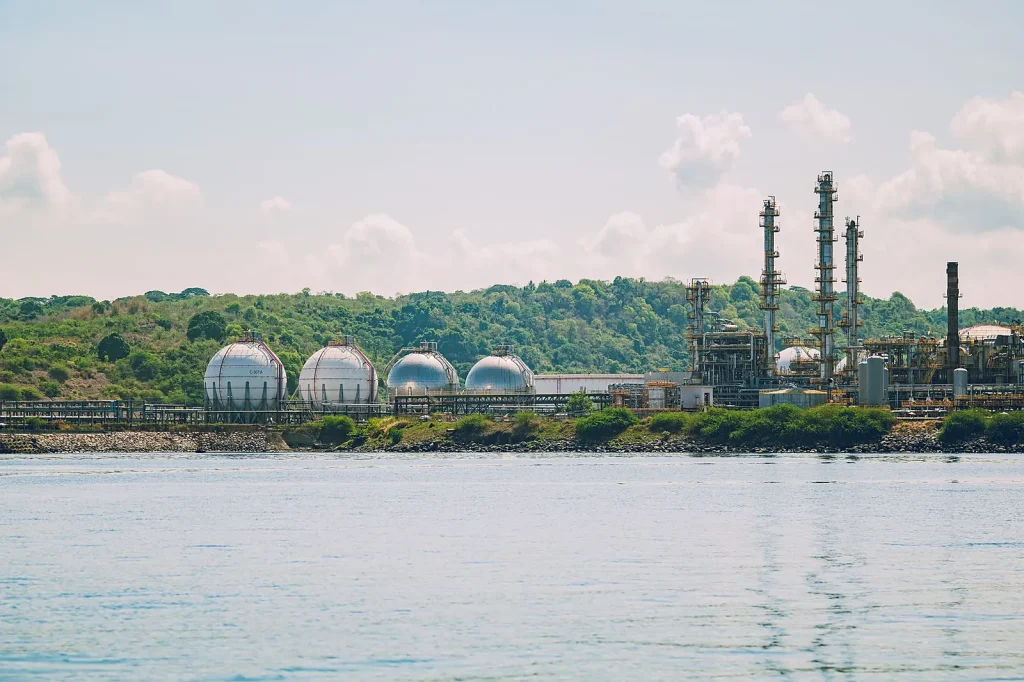
Chemelot, a major industrial complex, tackles rising energy costs and competition from Asia, impacting its viability.
Chemelot, a major industrial complex located in Geleen, the Netherlands, is facing significant challenges due to rising energy costs and increased competition from Asia. These issues are placing considerable strain on its operations and raising concerns about the site’s sustainability and future viability.
Chemelot’s Energy Cost Dilemma
Energy costs at Chemelot have surged, a situation exacerbated by fluctuating global energy prices. The complex, which hosts numerous chemical companies, relies heavily on energy for its production processes. This increase has led to higher operational costs, making it difficult to maintain competitive pricing.
According to Chemelot management, there is a pressing need to find alternative energy solutions to mitigate these rising costs. “We are actively exploring renewable energy sources and efficiency improvements,” a spokesperson for Chemelot stated. This strategic shift is crucial for maintaining the site’s competitiveness in the European chemical industry.
Impact of Asian Competition
In addition to energy challenges, Chemelot is experiencing intensified competition from Asian markets. These markets benefit from lower production costs, partly due to cheaper labor and energy sources. Consequently, European chemical producers like Chemelot are under pressure to innovate and reduce costs.
This competition is prompting Chemelot to re-evaluate its business strategies. The focus is on enhancing production efficiency and investing in research and development to differentiate its products. By doing so, Chemelot aims to maintain its market share and continue contributing significantly to the Dutch economy.
Sustainability and Future Viability
Amid these challenges, questions about sustainability and future viability loom large. Chemelot is committed to reducing its carbon footprint and aligning with European Union sustainability targets. However, achieving these goals requires substantial investment in new technologies and infrastructure.
Environmental regulations in the EU are becoming increasingly stringent, pushing Chemelot to adopt cleaner technologies. This shift not only supports sustainability but also enhances the site’s long-term viability. The management at Chemelot is optimistic about meeting these challenges, but acknowledges the need for external support and collaboration with governmental bodies.
Broader Implications for the Chemical Industry
The issues faced by Chemelot reflect broader trends affecting the European chemical industry. High energy costs and global competition are common challenges. These factors necessitate strategic adaptations to remain competitive.
For the Netherlands, a country with a strong chemical sector, supporting innovation and sustainable practices is vital. This support could include policy changes, financial incentives, and fostering collaborations between industry and academia.
What Happens Next?
As Chemelot handle these challenges, its approach could serve as a model for other European chemical producers. The emphasis on sustainability, innovation, and cost management is key to thriving in a competitive global market.
The future of Chemelot will depend on its ability to adapt to changing economic conditions and environmental demands. By prioritizing sustainable practices and technological advancements, Chemelot aims to secure its position as a leader in the chemical industry.
the challenges faced by Chemelot highlight the need for strategic changes in the industry. The path forward involves embracing innovation and sustainability to maintain competitiveness and ensure long-term success.