Merwedebrug Truck Ban Enforced, €500 Fines for Violators
Merwedebrug truck ban enforced with cameras to ensure safety. Rijkswaterstaat monitors compliance.

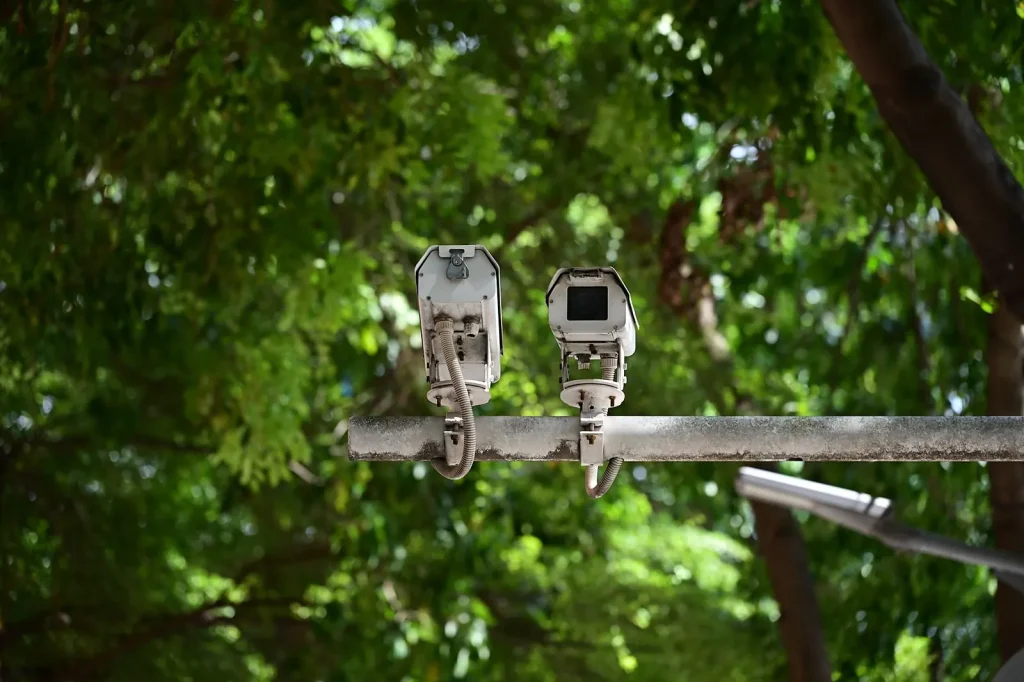
Rijkswaterstaat uses cameras to enforce the truck ban on the Merwedebrug, ensuring safety.
The Merwedebrug truck ban is now strictly enforced with the introduction of cameras by Rijkswaterstaat, the agency responsible for Dutch roads and waterways. This move aims to guarantee public safety and prevent structural damage to the bridge along the A27.
Safety Concerns Prompt Action
Safety concerns have been mounting due to the weakened structure of the Merwedebrug. The bridge’s steel arch has been deemed unstable for heavy vehicles, prompting the ban. Rijkswaterstaat’s decision to install cameras is a response to reports of non-compliance by truck drivers, who have been ignoring the ban and risking further damage to the bridge.
Impact on Commuting and Logistics
The enforcement of the truck ban on the Merwedebrug has significant implications for commuting and logistical operations in the region. Truck drivers are now required to take longer alternative routes, which may lead to increased travel times and operational costs. This change has been challenging for logistics companies that rely on efficient routes for timely deliveries.
Background
The Merwedebrug, located on a crucial section of the A27 motorway, serves as a vital connection point for traffic in the region. Over the years, it has faced increased pressure from heavy vehicles, which has contributed to its current structural issues. Rijkswaterstaat has been actively assessing the bridge’s condition and implementing necessary measures to address these concerns.
In recent years, the agency has undertaken several maintenance and reinforcement projects across the country’s infrastructure to prevent similar issues. The Merwedebrug situation highlights the ongoing need for vigilance and proactive management of the Netherlands’ critical transport links.
What Happens Next?
Moving forward, Rijkswaterstaat will continue to monitor the effectiveness of the camera enforcement system on the Merwedebrug. The agency is committed to ensuring compliance and maintaining the safety of the bridge. Further measures may be introduced, depending on the situation’s development.
For truck drivers and logistics companies, adapting to the new routes will be crucial in minimizing the impact on operations. Authorities encourage all road users to stay informed about route changes and comply with regulations to ensure a smooth transition.
The Merwedebrug truck ban shows the importance of infrastructure management in maintaining public safety and preventing potential disasters. As the situation evolves, Rijkswaterstaat remains dedicated to safeguarding the nation’s transport networks for the benefit of all.