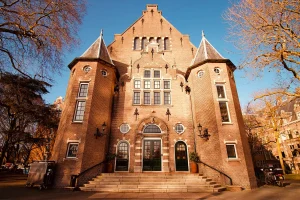
Groningen Earthquake Ignites Fresh Concerns Over Gas Extraction
A 1.6 magnitude earthquake in Sappemeer, Groningen, raises fresh concerns over the long-term effects of gas extraction.

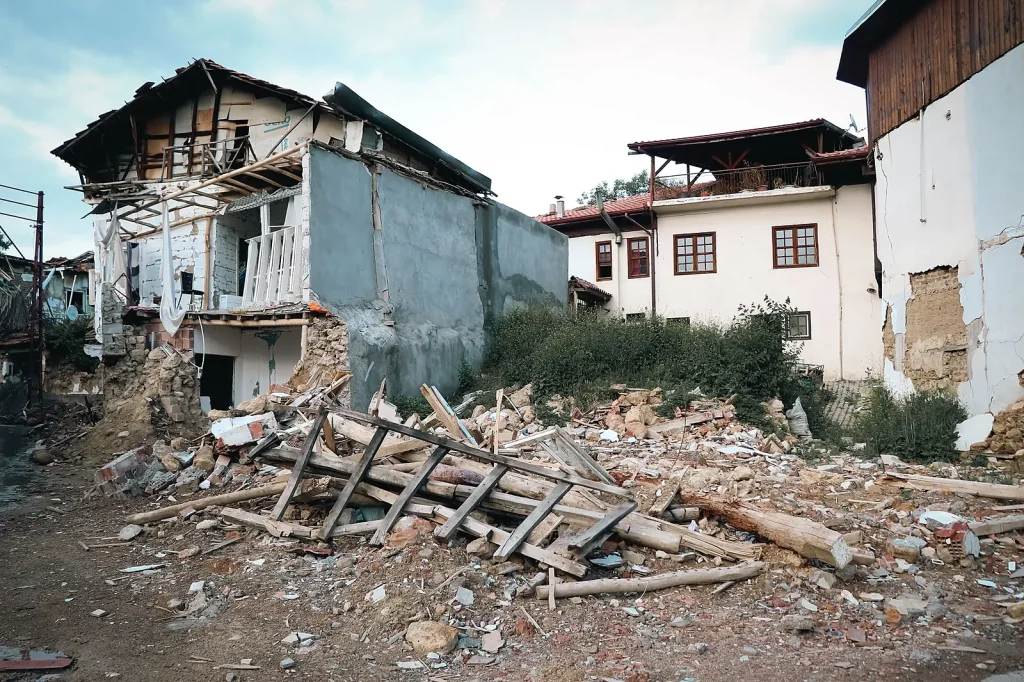
Magnitude 1.6 quake in Sappemeer highlights ongoing issues from past gas extraction.
A magnitude 1.6 earthquake struck Sappemeer, a town in the Groningen region, sparking renewed concerns about the long-term impact of gas extraction. The tremor, recorded by the Royal Netherlands Meteorological Institute (KNMI), was felt strongly by residents, who reported a loud bang followed by significant vibrations.
Ongoing Effects of Gas Extraction
The earthquake, although relatively minor in magnitude, has reignited fears among the local population. The region continues to experience induced seismic activity. This latest quake is a reminder of the lingering issues connected to decades of gas extraction in Groningen.
Residents of Sappemeer and surrounding areas expressed their concerns over the potential for more frequent and intense earthquakes. One local resident, M.B., described the feeling as “a strong jolt that shook the entire house.” This sentiment echoes the worries of many who live in the region, where earthquakes have become an unsettling part of life.
Government and Community Response
The Dutch government has been working to address the consequences of gas extraction in the area. Compensation schemes and structural reinforcements for affected homes have been implemented, yet the anxiety among residents persists. The ongoing tremors suggest that the geological instability caused by years of extraction may have lasting effects.
Local authorities are urging residents to report any damage to their properties. The Groninger Bodem Beweging, an advocacy group for those affected by the earthquakes, continues to push for more comprehensive measures to ensure safety and stability in the region.
“The government must prioritize the safety of its citizens,” said a spokesperson for the group. “We need assurance that the situation is being monitored closely and that appropriate action is taken swiftly.”
Background
Groningen has long been at the center of the Netherlands’ natural gas industry. For decades, the extraction process has been linked to seismic activity, leading to significant public outcry and eventual policy changes. In 2018, the Dutch government announced plans to phase out gas extraction entirely.
Despite these efforts, the legacy of extraction continues to affect the region. The geological shifts caused by the removal of gas have left the area prone to earthquakes, posing ongoing challenges for residents and policymakers alike.
What Happens Next
The recent earthquake in Sappemeer shows the need for continued vigilance and action. Monitoring systems are in place to track seismic activity, but the unpredictability of these events remains a concern. Authorities are working to enhance early warning systems and improve infrastructure resilience.
Residents are encouraged to stay informed and participate in community discussions about safety measures. As the region handle these challenges, collaboration between government bodies, scientists, and citizens will be crucial to finding sustainable solutions.
For more information on the government’s response and safety measures, visit the Dutch government’s official website. Updates on seismic activity can be found on the KNMI website.