Dutch Housing Construction to Deliver 30,000 Homes by 2035
The Dutch government plans to build homes to address the housing shortage, focusing on selected areas.

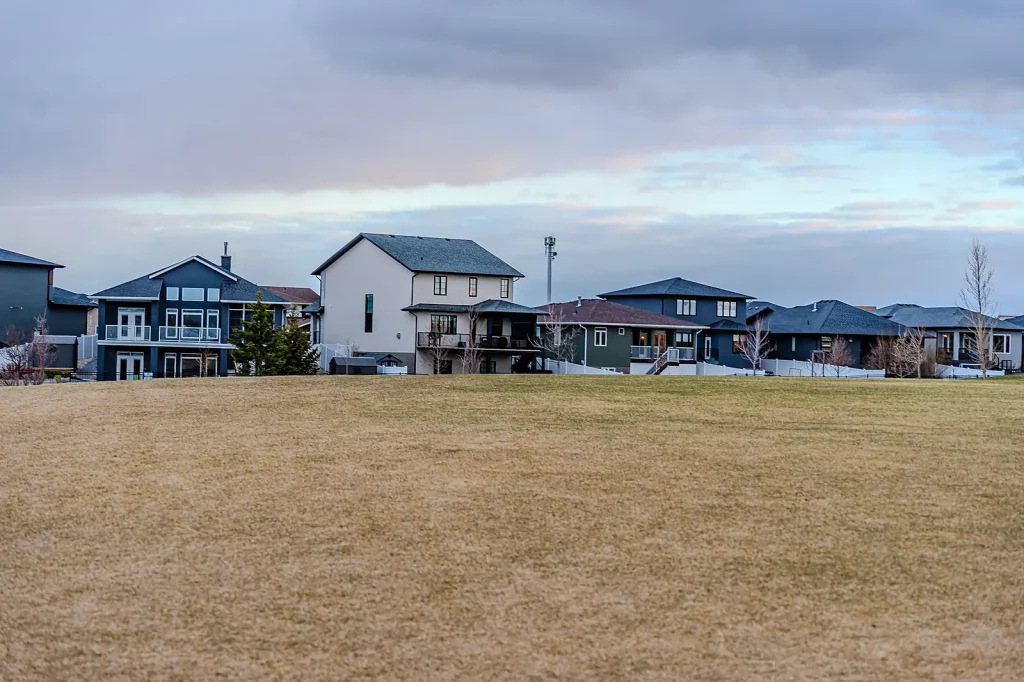
Plan targets Deventer, Haarlem, Leeuwarden, Maastricht, and Weert with expedited building.
The Dutch government has unveiled an ambitious plan to construct homes to address the pressing housing shortage in the Netherlands by simplify the construction process in selected areas.
Government’s Strategy for Housing
The new housing plan, announced by the Dutch government, focuses on fast-tracking construction in areas that do not require additional infrastructure investments. This strategic decision allows for immediate action, significantly reducing the time typically needed for preparatory work.
This approach is expected to alleviate housing shortages, making homes more available and affordable, especially in regions experiencing high demand.
Why These Locations?
The choice of locations is crucial. These municipalities have been identified because they already possess the necessary infrastructure, eliminating the need for additional funding. This enables a quicker start to construction activities, which is key in addressing the housing crisis efficiently.
these areas are strategically positioned to benefit from existing transportation links and community services, making them attractive locations for new residential projects.
What this means for people living in the Netherlands
For residents and potential homeowners, this announcement brings promising news. The rapid development of housing in these municipalities is expected to ease the market pressure, offering more opportunities for affordable housing.
Individuals interested in moving to these areas can anticipate a more simplified process for acquiring housing. For detailed information on the government’s housing policies and updates on the construction progress, residents can visit the official rijksoverheid website.
Background on the Housing Crisis
The Netherlands has faced a significant housing shortage in recent years, driven by population growth and urbanization. The demand for affordable housing has outpaced supply, leading to increased prices and competition among prospective homeowners.
This new initiative is part of a broader governmental effort to ensure long-term housing availability and affordability across the country.
What Happens Next?
With the plan set in motion, the focus will now be on the rapid issuance of building permits. The government aims to minimize bureaucratic delays, ensuring that construction can commence as soon as possible.
For those interested in the progress, updates will be made available through local municipal offices and official government channels, ensuring transparency and public engagement throughout the process.
As the construction begins, it is expected to create numerous job opportunities, further stimulating the local economies of the selected municipalities.