Dutch Gas Reserves Strategy Strains National Budget
The Dutch government's strategy to fill gas reserves for winter is costly, raising concerns about its impact on the national budget.

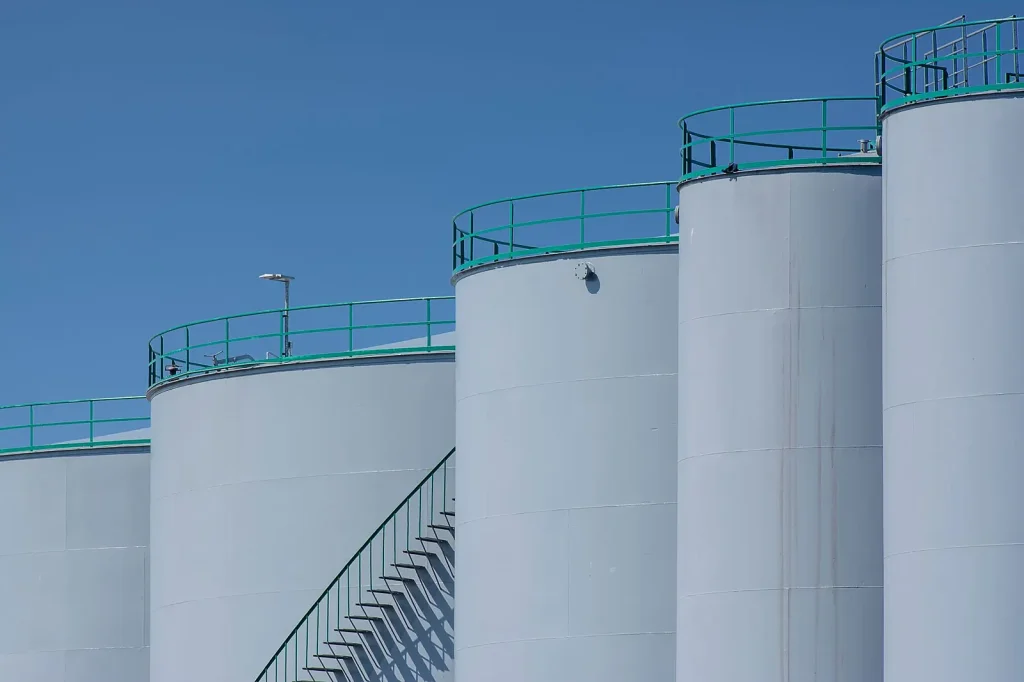
Government invests heavily in gas storage to ensure winter supply, raising budget concerns.
The Dutch government is investing significantly to ensure that the country’s gas reserves are filled ahead of the upcoming winter. This strategy, aimed at securing energy supplies during colder months, is proving to be a financial strain on the national budget.
Securing Energy for Winter
The primary objective of this initiative is to guarantee that the Netherlands has sufficient gas supplies to meet demand during winter. The government has set ambitious targets for filling gas storage facilities, which are crucial for energy security. With colder temperatures anticipated, ensuring a stable gas supply is a priority.
However, the financial implications are substantial. The cost of purchasing and storing the gas is putting pressure on the national budget. This raises concerns about the potential impact on other areas of public spending.
Budgetary Concerns
Critics of the government’s strategy have voiced concerns about the long-term financial sustainability of such investments. The substantial expenses incurred to meet gas storage targets could affect funding for other essential services and projects. This has sparked discussions about the balance between energy security and fiscal responsibility.
Jeroen van der Knaap, an energy analyst, noted, “While securing energy supply is vital, the financial strain on the budget cannot be ignored. It’s a delicate balance to maintain.”
What this means for people living in the Netherlands
For residents of the Netherlands, this strategy may lead to indirect financial implications. The focus on filling gas reserves could potentially divert funds from other public services, affecting infrastructure, education, or healthcare. Citizens might face changes in government spending priorities.
To stay informed about energy policies, residents can follow updates from the Rijksoverheid, the official government website. They can also monitor energy prices through platforms like the CBS, the Dutch statistics agency.
Background on Energy Security
Energy security has been a focal point for the Dutch government, especially with the global energy market’s volatility. The need to reduce reliance on external gas sources has driven investments in domestic storage facilities. This strategy ensures that the Netherlands can manage energy demands independently, even during harsh winters.
The government’s commitment to energy security is part of a broader plan to transition to more sustainable energy sources. However, the current reliance on gas remains a critical part of the energy mix.
What happens next?
The government will continue to monitor the situation closely, balancing the need for energy security with fiscal prudence. Adjustments to the strategy may be necessary if financial strains become too burdensome. Policymakers will likely explore alternative solutions to manage both energy needs and budgetary constraints effectively.
As winter approaches, the public will be watching to see how these efforts unfold and what it means for the country’s economic and energy landscape.