Civilian crisis volunteers: MPs back goal to train 130,000
Civilian crisis volunteers would help Dutch emergency services during major emergencies. MPs have backed a goal of training 130,000 people within four years.

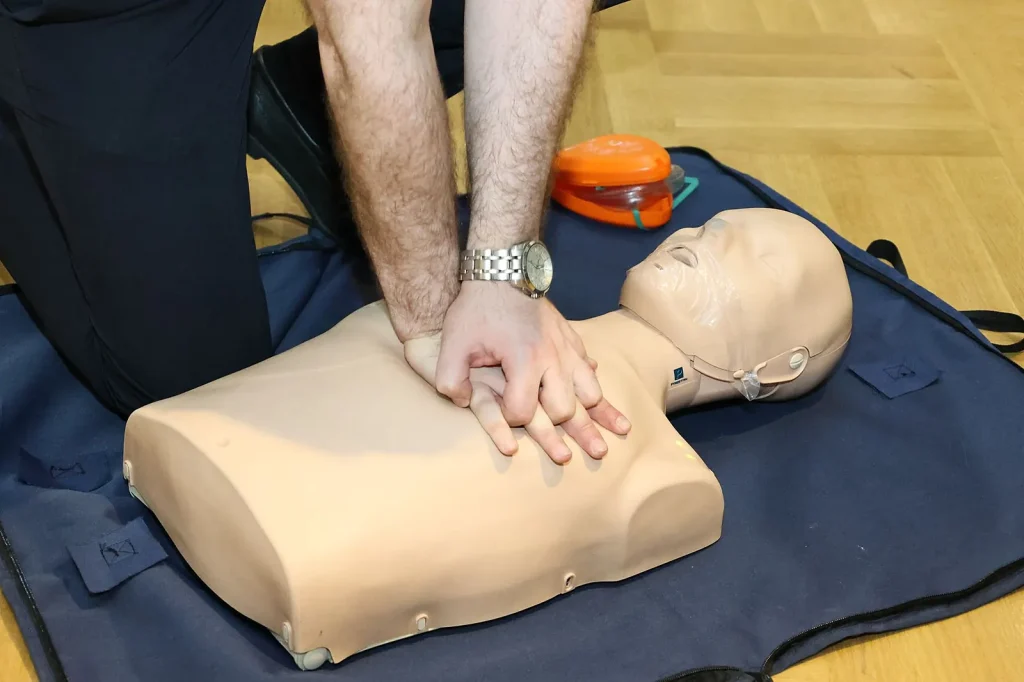
MPs want trained volunteers to support emergency services within four years, with free access to military training sites.
Civilian crisis volunteers could provide extra help when a major emergency stretches services in the Netherlands. A parliamentary majority backed a goal of training 130,000 people within four years. However, that figure is an ambition, not the size of an existing volunteer force.
The Tweede Kamer, the Dutch lower house of parliament, wants volunteers ready to support emergency services during major crises. In particular, the plan focuses on the first three days, when those services and the military could face heavy demands. Training would cover technical work, logistics and security.
The vote featured in coverage from NOS, the Dutch public broadcaster. The cabinet has said it shares parliament’s ambition. Still, the vote does not mean that training places or a national volunteer system are already available.
Practical support rather than a cash grant
BurgerReserve, a civilian volunteer training initiative, has given about 1,000 Dutch people basic skills training this year. Businesses and private individuals currently pay those training costs. Parliament now wants the cabinet to help the initiative expand.
Rather than asking for financial support, MPs want free access to military training grounds and classrooms. That would provide places where volunteers could learn and practise. However, the supplied report does not set out when access would begin.
The proposed training covers work that can help keep a crisis response running. Mechanics and drivers are examples of the roles volunteers could fill. In practice, the idea is to add civilian support when regular services lack enough capacity.
The 130,000 target is much larger than the number trained so far this year. But the figures describe different things: one is a four-year ambition, while the other records training already completed. Readers should therefore avoid treating the vote as confirmation that a large reserve already exists.
Why the first three days matter
The proposal places special emphasis on the opening days of a major crisis. During that period, emergency services and military personnel are expected to lack enough capacity to manage alone.
Volunteers would support those services, rather than replace them. The training areas point to practical tasks, including moving supplies or providing technical help. However, the report does not give a full list of duties or explain who would assign them.
Karen van Oudenhoven-van der Zee, director of the Sociaal en Cultureel Planbureau, a Dutch social research institute, described the challenge. She told Nieuwsuur, a Dutch television news programme:
“De manier waarop we normaal de dingen doen, gaan niet meer” (The way we normally do things no longer works).
She cited war and flooding as possible crises. Those examples explain the wider concern behind efforts to prepare civilians for emergencies. They do not mean that authorities have announced an immediate threat.
For now, the parliamentary decision concerns preparation and capacity. It does not order residents to volunteer or announce a call-up. Nor does the supplied report describe a compulsory civilian service scheme.
What this means for people living in the Netherlands
The proposal matters to residents who might need help during a large emergency, as well as people interested in volunteering. However, it does not create a confirmed place for every applicant. The report gives no application deadline or standard training fee.
It also does not explain eligibility for international residents. Before enrolling, ask the training provider about language requirements and whether your residence status affects participation. Check the time commitment and any costs before making arrangements.
What needs to happen next
The cabinet’s support for the ambition is not the same as a detailed delivery plan. Next, readers should look for decisions about training access and how volunteers would work with emergency services. Those details will show how the target could become a working system.
Until then, the distinction is clear. Parliament has backed a goal of 130,000 trained volunteers within four years. BurgerReserve has trained about 1,000 people this year, while the larger expansion still needs practical arrangements.