30 neighborhood care zones planned for southern Limburg
Thirty neighborhood care zones are planned around Maastricht, with €33.4 million for housing changes and local support to help older residents live independently.

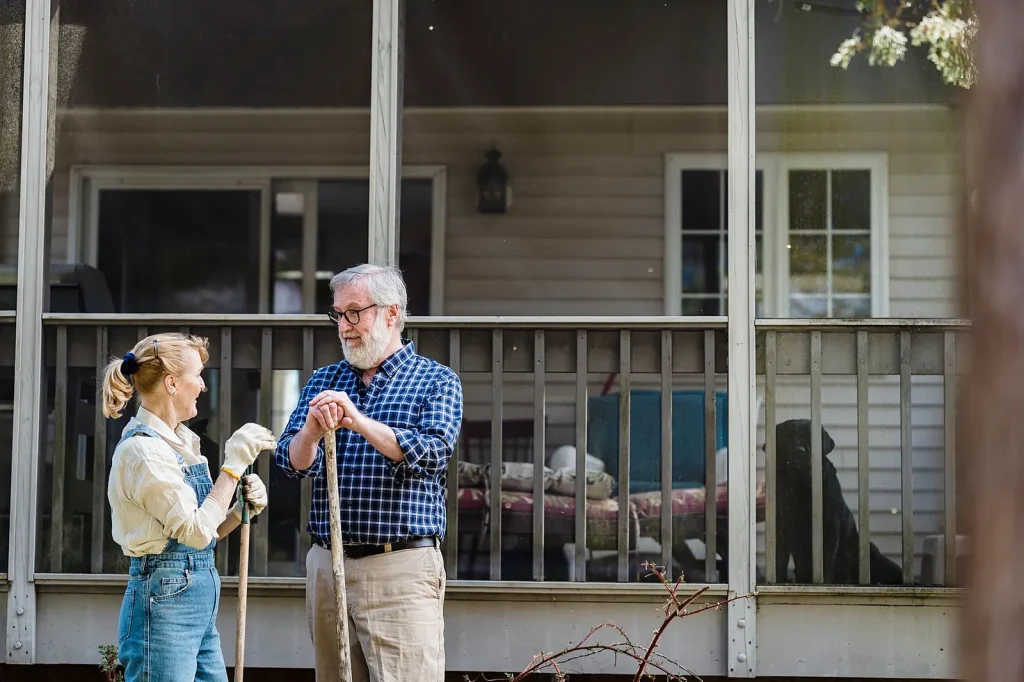
A €33.4 million plan combines accessible homes, nearby care and shared activities to help older residents stay independent.
Thirty neighborhood care zones are planned in the southern Netherlands to help older residents live independently for longer. The project combines changes to existing homes with nearby healthcare and shared activities. It involves an investment of €33.4 million.
The project covers Maastricht-Heuvelland, the area around the city of Maastricht in the southern Dutch province of Limburg. Dutch health insurers CZ and VGZ will provide funding through a national healthcare agreement. Meanwhile, care organisations and housing associations will work together on the changes.
The plans feature in coverage by NOS, the Dutch public broadcaster. By 2030, one in four residents of southern Limburg is expected to be at least 65. The project aims to meet growing care needs while helping people stay in their own neighbourhoods.
Making existing homes easier to use
The plan centres on existing neighbourhoods rather than a move into residential care. Apartment buildings, often social housing, will become more accessible for residents who use wheelchairs or walkers. The changes will also support people living with dementia.
For residents, the aim is to make everyday life at home easier. However, a suitable flat forms only part of the plan. The surrounding neighbourhood must also offer support that people can reach and use.
Healthcare services, including family doctors, are intended to sit within walking distance. That brings the focus beyond the front door. Residents should have access to care close to where they live.
The planned zones therefore link housing and care, rather than treating them as separate needs. Housing associations will work alongside care providers.
Shared spaces aim to reduce loneliness
Meeting spaces and shared activities form another part of the project. These aim to reduce loneliness and help residents stay involved in local life. They also offer people a chance to keep using their skills.
Petra Lamberts, chair of regional care initiative Deltaplan Maastricht Heuvelland, said, in translation:
“Loneliness is a predictor of care needs.”
Lamberts said activities can encourage residents to use their skills. The approach therefore looks beyond changes to buildings. It also seeks to strengthen contact between people who live nearby.
For an older resident, living independently can still mean receiving help. The project seeks to bring that help closer, rather than leaving people to manage alone. At the same time, shared activities aim to make the neighbourhood a place where residents can meet others.
Funding responds to an ageing population
The €33.4 million investment comes through a national healthcare agreement, with CZ and VGZ providing the funds. The regional project brings that funding into work on homes and neighbourhood support.
The expected age profile explains why planners are looking ahead. By 2030, the share of residents aged 65 or over will reach roughly a quarter in southern Limburg.
The goal is to help people remain independent while limiting pressure on healthcare. Housing changes and local support form the proposed response.