Rainbow Flag Thefts Follow Oldebroek Protest, House Raises Flag
Rainbow flag thefts in Oldebroek followed residents' protests against a local policy change. Meanwhile, the Dutch lower house flew the flag for the first time.

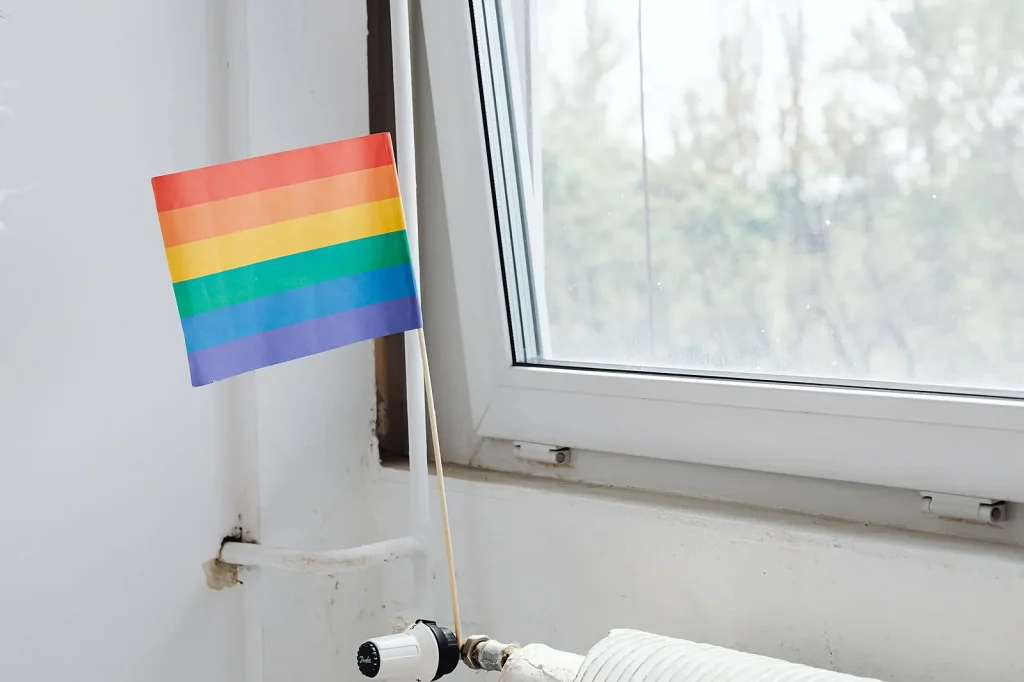
The Dutch lower house marks Coming Out Day with its first rainbow flag, while residents in Oldebroek replace stolen flags.
The Tweede Kamer, the Dutch lower house of parliament, raised the rainbow flag for the first time. The display marked Coming Out Day, an international observance focused on coming out.
Meanwhile, rainbow flag thefts followed a local protest against a council policy change. Residents in Oldebroek, a municipality in the Dutch province of Gelderland, had put up flags themselves. Their municipality decided this week to drop its LGBTQ policy and not raise the flag.
NOS, the Dutch public broadcaster, reported the parliamentary display and the local thefts. The events show contrasting choices over public support for LGBTQ people. However, neither account establishes why someone took the flags.
A first display after political objections
The parliamentary flag followed disagreement over whether to raise it. Initially, plans stopped after objections from SGP, a Christian opposition party. Other opposition parties then submitted a motion seeking to have the flag raised.
The flag was flying at the lower house. The display therefore marked a first for that institution. It should not be confused with the first rainbow flag at any Dutch public building.
Residents respond with flags of their own
In Oldebroek, residents chose to display rainbow flags after the municipal decision. Several flags then disappeared. The account includes a theft at the Kruiskerk, a local church.
Dozens of people attended when the church raised its flag. Someone subsequently stole it. However, the church has since replaced the flag, which is flying again.
Local pastor Han Wilmink said:
“We laten niemand aan de kant staan hier.”
The replacement keeps the church’s message visible despite the theft. Meanwhile, residents’ displays show that the municipality’s choice did not end local support for the flag. Public bodies and people living nearby can take different positions.
The supplied account does not identify anyone responsible for taking the flags. Nor does it establish whether the thefts involved the same person. A motive should therefore not be treated as a confirmed fact.
The distinction matters because taking a flag and opposing a policy are separate acts. Political disagreement does not establish who committed a theft. Similarly, the flag’s removal does not reveal the views of the wider community.
What happens next
The church has already restored its display. However, the available account gives no outcome for the other stolen flags. It also provides no confirmed police findings.
For residents, the next practical question concerns the scope of the municipal policy change. A decision not to raise a flag is clear. By contrast, its effect on day-to-day support needs more detail from the municipality.
At parliament, the display establishes the reported first. Locally, the replacement flag shows that the theft did not end the church’s support. Any further claims about suspects or motives will require evidence.