Refugee family housing: Dutch churches seek three-month stays
A Dutch refugee family housing appeal asks churches to offer three-month stays for permit holders, helping free reception places while families await permanent homes.

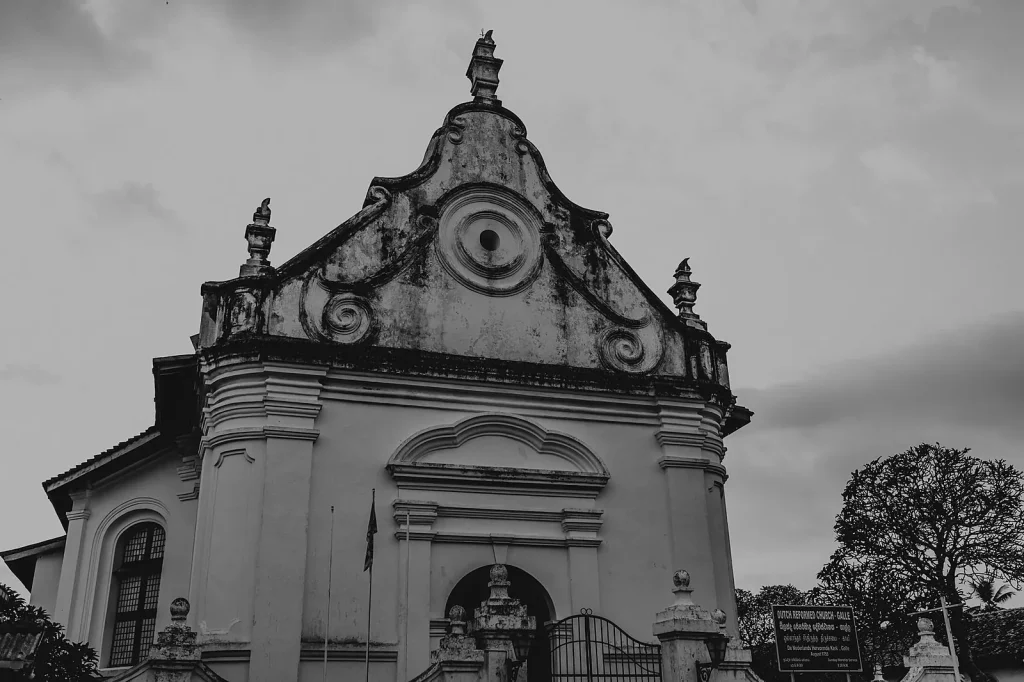
Church councils and parish boards are being asked to house permit holders for three months while they await permanent homes.
Dutch churches have launched a refugee family housing appeal for people waiting for permanent homes in the Netherlands. The request asks local churches to offer families somewhere to stay for three months. These families already hold residence permits but still live in asylum reception centres.
The Raad van Kerken in Nederland, a council representing 19 Christian churches and organisations, launched the initiative. Local church councils and parish boards received a letter asking them to help. Possible spaces include empty parsonages, the homes traditionally used by clergy, and church outbuildings.
The appeal features in coverage by NOS, the Dutch public broadcaster. The Raad van Kerken described the effort as “een interkerkelijke actie in de volle breedte”, meaning an interchurch initiative across the full spectrum.
However, the request does not mean permanent homes have become available. Instead, the council wants churches to provide a short stay while families wait for housing in their assigned municipalities.
Who the church appeal aims to help
The appeal focuses on refugees who already have permission to stay in the country. They have passed a different stage from people still waiting for an asylum decision. Yet a residence permit does not immediately give a family a home.
The housing shortage can leave families waiting in reception centres after they receive their permits. Those beds then remain occupied rather than becoming available for new arrivals.
The council hopes temporary church accommodation can help ease that pressure. At the same time, a local stay could help families get to know their new community. That is a separate aim from finding them a permanent address.
For now, this is a request for offers of space. The supplied account gives no total for available buildings or families who could move. Nor does it set out a date for the first arrivals.
Why a three-month stay is different from a home
The proposed stays would last three months, so they offer a bridge rather than a lasting housing solution. An empty parsonage might provide a possible place to live. The appeal also names church outbuildings.
A church’s willingness to help does not, by itself, settle every practical question. For example, families need clear information about the space and the expected end date. Hosts also need to know who will handle problems during the stay.
The account does not specify rent, household costs or a standard agreement for hosts. It does describe an arrangement for the end of the stay. According to the council, the Centraal Orgaan opvang asielzoekers (COA), the asylum reception agency, will ensure residents can move to another place after three months.
Meanwhile, temporary accommodation would not remove the wider shortage of permanent homes. The council’s immediate aim is narrower: release reception places while helping families settle into local life.
What this means for people living in the Netherlands
For permit holders, this appeal is not a general offer of rooms to anyone seeking housing. It concerns refugee families waiting for homes in their assigned municipalities. The account gives no public application route or registration deadline.
If you think your family could qualify, ask your reception contact or assigned municipality about the initiative. Before agreeing to move, check the address, expected costs and arrangements after three months. Also ask how the stay would affect your existing housing process.
For church members, the practical first step is to contact your local council or parish board. Ask whether it received the request before offering a building or promising a family accommodation. Then check who would arrange the stay and cover any costs.
Hosts should also ask their municipality about any permission needed to use a building for housing. Before a move, clarify fire safety and whether residents can register at the address. Do not assume an empty church room already meets residential requirements.
What happens next
The council said the plan was developed with the asylum ministry and the COA. The appeal itself does not establish how many reception beds it will release.
For families, a move to another place after three months does not necessarily mean a permanent home. The council says the COA will arrange that onward move.