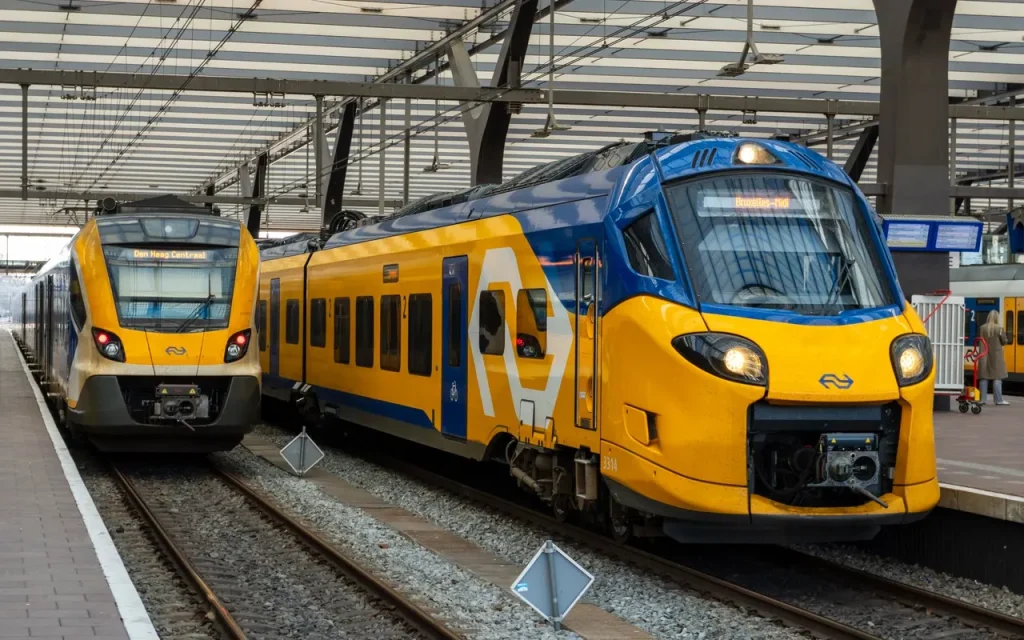
The Netherlands and Germany want more and faster trains between the two countries
The Netherlands and Germany signed a joint declaration on Tuesday to run more passenger trains between the two countries and shorten journeys to cities like Berlin, Hamburg and Frankfurt.

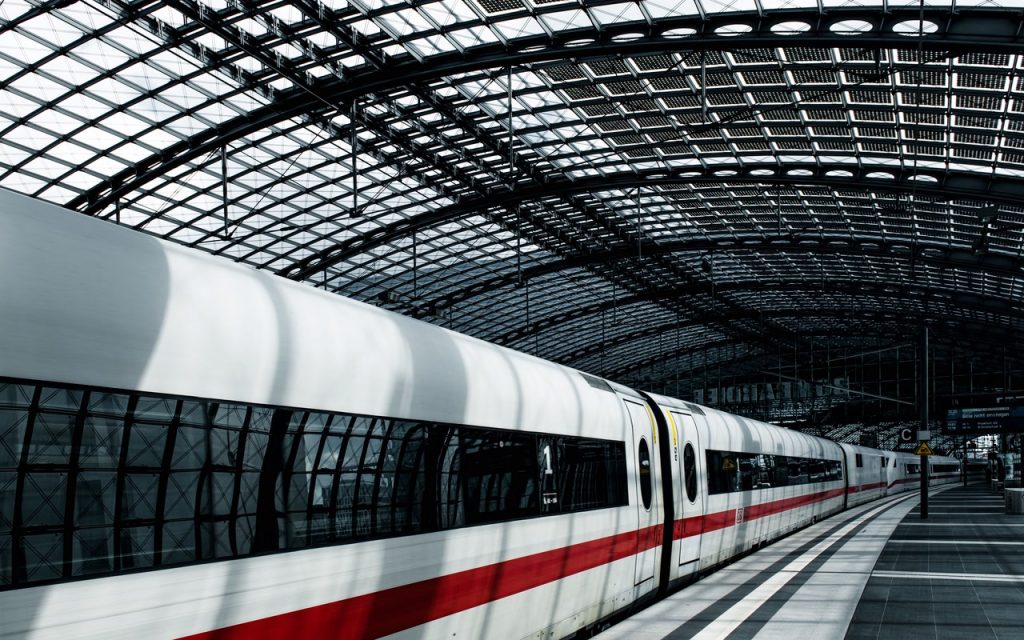
The Netherlands and Germany are going to work more closely together on rail, with the aim of running more trains between the two countries and cutting travel times, for example to Berlin. Dutch state secretary Annet Bertram and German transport minister Steffen Bilger signed a joint declaration in Berlin on Tuesday, the Dutch government said.
More trains, shorter journeys
Both countries want to make it possible for more passenger trains to run between the Netherlands and Germany than today, and to shorten travel times step by step. They are looking mainly at three corridors: Amsterdam to Hamburg, with Copenhagen beyond it, Amsterdam to Berlin, towards Warsaw and Prague, and Amsterdam to Frankfurt, towards Basel and Vienna.
At the moment, roughly twice as many high speed trains run to Paris every day as to Berlin, the government says. Both countries want to make it easier for new rail companies to enter the market for international trains, which should mean more competition.
Regional links and freight
Progress is already being made on regional services across the border. The Wunderline between Groningen and Leer recently reopened, and trains between Coevorden and Bad Bentheim start in December.
The two countries also want to plan cross-border rail projects together. One of them is improving the German connection to the Betuweroute freight line by adding capacity between Emmerich and Oberhausen. Around 45,000 freight trains cross the Dutch-German border every year, at Zevenaar, Venlo and Bad Bentheim, which makes it one of the busiest rail border crossings in Europe.
“Good rail connections between the Netherlands and Germany are essential, also from a European point of view,” Bertram said.