Dutch house prices up 3.4%, rising fastest in the east and north
Existing homes in the Netherlands cost 3.4% more in the third quarter than a year earlier, CBS says. Prices rose most in Woudenberg and fell in 13 municipalities, most of all in Best.

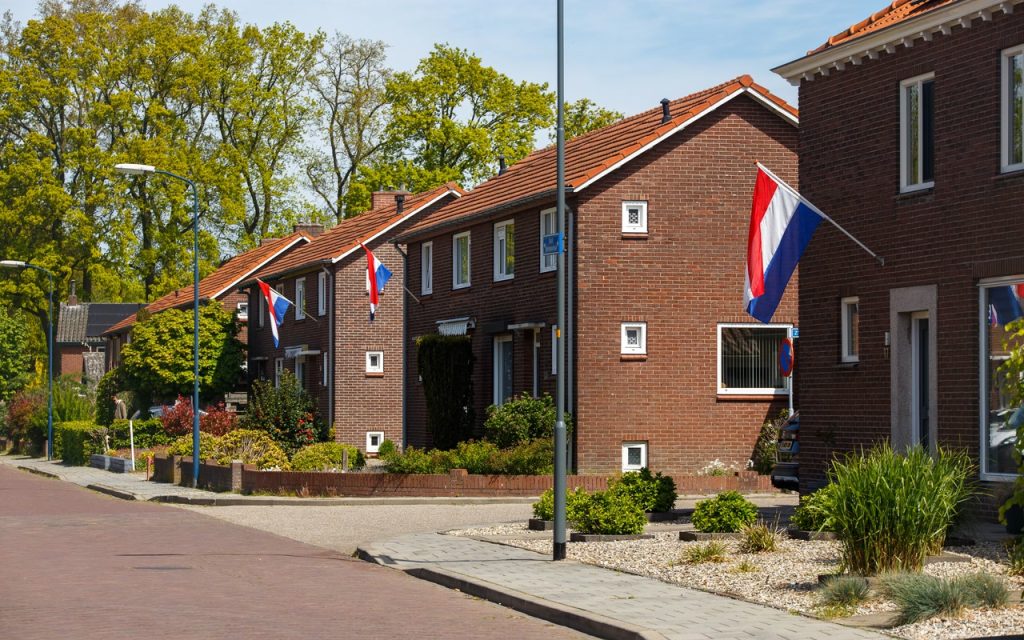
Existing owner-occupied homes in the Netherlands were on average 3.4% more expensive in the third quarter of 2026 than a year earlier, Statistics Netherlands (CBS) and the Land Registry (Kadaster) reported on 11 November. Prices went up in most municipalities, and on average they rose more in the east and north of the country than in the west.
Biggest rises in Woudenberg, Oldebroek and Asten
Prices rose most in Woudenberg in the province of Utrecht, by 14.6%. Oldebroek in Gelderland followed with 14.1%, and Asten in North Brabant with 14.0%. Berg en Dal, Simpelveld and Noardeast-Fryslân also saw rises of around 13%.
Prices fell in 13 municipalities
In 13 municipalities, homes became cheaper. In the previous quarter, that was the case in 6. The biggest fall was in Best in North Brabant, where prices dropped 4.6%. Hillegom followed with a fall of 4.4%, and Texel with 3.6%. Prices were also 0.8% lower in Eindhoven, Delft and Zaanstad.
The big cities
CBS calculates the figures for the four largest cities with a different method. Prices were 1.0% higher than a year earlier in Amsterdam, 2.9% higher in Rotterdam, 4.4% higher in The Hague and 2.0% higher in Utrecht.
Elsewhere, prices rose 4.7% in Groningen, 4.5% in Nijmegen and 5.1% in Arnhem. They were 0.3% lower in Amstelveen and 0.2% lower in Haarlem, and unchanged in Almere.
The rise is slowing
House prices in the Netherlands peaked in the middle of 2022 and then fell until the middle of 2023. Since then they have gone up again, and in many municipalities prices are now at record levels.
The national rise is slowing, though. Compared with a year earlier, prices were 5.2% higher in the first quarter of 2026, 4.2% higher in the second quarter and 3.4% higher in the third.
CBS now calculates price trends for about 320 municipalities with a new method, with figures going back to 1995.