Radboudumc quarantine issues expose safety flaws
Radboudumc quarantine issues expose safety flaws as 12 staff face hantavirus exposure, prompting protocol review.

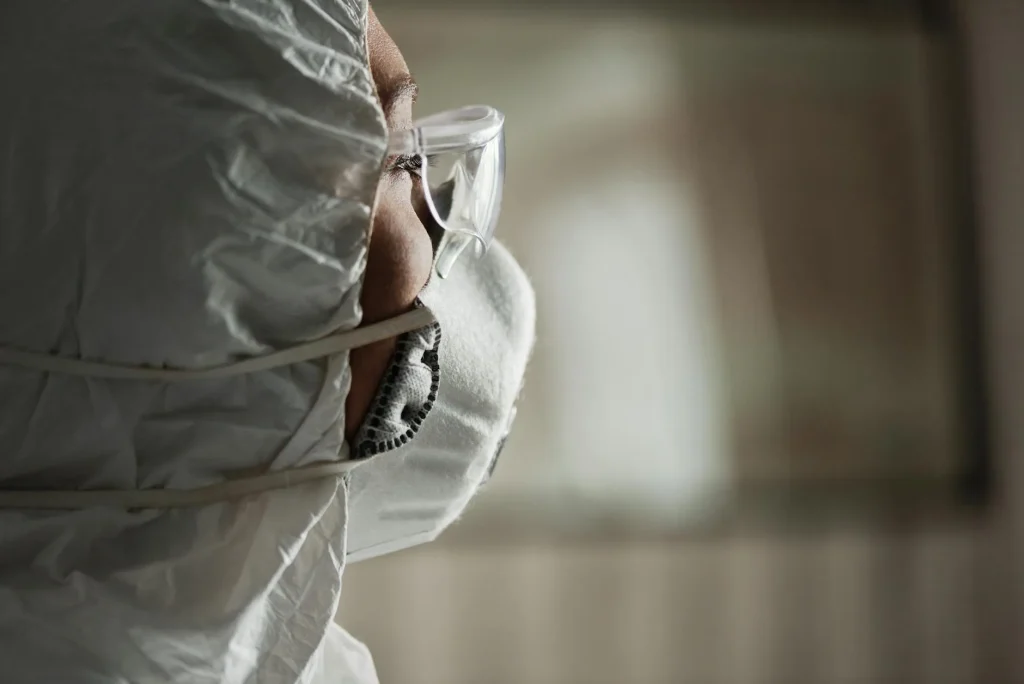
Twelve staff members quarantined due to hantavirus, highlighting protocol lapses.
Radboudumc quarantine issues have placed twelve staff members in isolation due to potential exposure to the hantavirus. This incident at Radboudumc hospital in Nijmegen has highlighted vulnerabilities in medical safety protocols, prompting a nationwide reassessment of standards.
Understanding the Quarantine Situation
The quarantine was initiated after a procedural lapse led to potential exposure to the hantavirus, a serious virus transmitted through rodent droppings. Although there is no immediate threat to public health, the situation has raised significant concerns about adherence to infection control procedures.
The hantavirus poses notable health risks, primarily affecting the respiratory system. According to the Dutch National Institute for Public Health and the Environment (RIVM), the virus can cause severe illness if not managed properly.
Radboudumc’s Response to the Incident
In response to the incident, Radboudumc, a leading medical institution in the Netherlands, has initiated an in-depth review of its safety measures. This review aims to identify and rectify any gaps in current protocols to prevent future occurrences.
The hospital’s administration has emphasized the importance of strict adherence to safety guidelines. They are working closely with health authorities to ensure robust measures are in place. A spokesperson for Radboudumc stated, “Our priority is the safety of our staff and patients. This review will help us strengthen our protocols.”
Meanwhile, the quarantined staff are under medical observation, and their health is being closely monitored. The hospital assures that all necessary precautions are being taken to safeguard both staff and the public.
For more information on hantavirus and its implications, visit the Centers for Disease Control and Prevention.
Implications for Dutch Healthcare
This incident has prompted hospitals across the Netherlands to reassess their safety protocols. The Dutch healthcare system is renowned for its high standards, but this event reveals areas that require attention.
Experts suggest that continuous training and rigorous checks are essential to maintain safety standards. Regular audits and updates to infection control procedures can help mitigate risks associated with infectious diseases.
Moreover, the incident at Radboudumc serves as a reminder of the importance of vigilance in healthcare settings. Ensuring that all staff are well-informed and equipped to handle potential hazards is crucial.
The Dutch Ministry of Health is expected to issue guidelines to reinforce safety measures in medical facilities nationwide. These guidelines will likely focus on enhancing staff training and improving procedural compliance.
As the review at Radboudumc progresses, other hospitals are likely to follow suit, conducting their own assessments to ensure that similar incidents do not occur.
In conclusion, while this quarantine incident at Radboudumc has caused concern, it also presents an opportunity for improvement. By addressing the identified vulnerabilities, Dutch healthcare institutions can further strengthen their protocols, ensuring a safer environment for both staff and patients.