Over 600 Amsterdam taxis seized in possible money laundering case
Police have placed a digital seizure on more than 600 Amsterdam taxis, with an original catalogue value of over 28.5 million euros, in an investigation into possible money laundering.

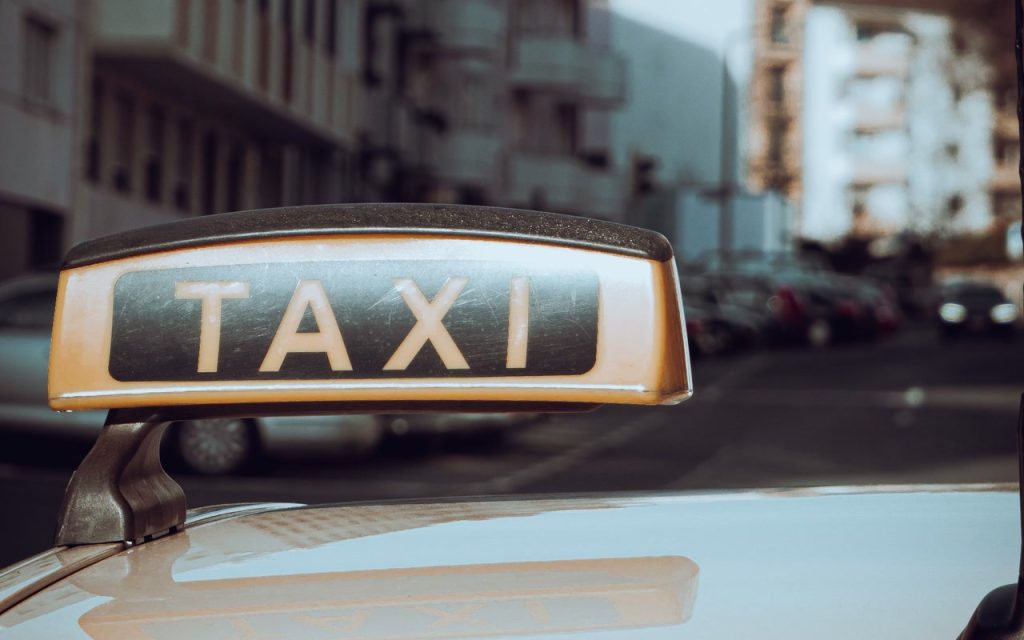
The Dutch police’s national investigation unit (Landelijke Opsporing en Interventies) has placed an administrative seizure on more than 600 taxis with an original catalogue value of over 28.5 million euros, the police said on 26 November. The reason is an investigation into possible money laundering in the Amsterdam taxi sector.
The investigation found signs that 26 legal entities were part of one connected setup to run taxis. Among other things, there were signs of money laundering, unfiled tax returns and unpaid traffic fines.
Other abuses
Police also found signs of taxi rides without the required permit, taxi permits being made available to others, and a lack of staff on the payroll. There were reports and findings of refusals to cooperate with checks, forged driver cards and driving under the influence, and laughing gas and drugs were found in some vehicles. There were also indications that ownership was deliberately hidden, so that it was unclear who really owned certain vehicles.
The police say the seizure seriously disrupts the way the companies keep their setup going.
What the seizure means
An administrative seizure is placed digitally on a vehicle through the RDW vehicle register, without physically seeing the vehicle. It has been possible for motor vehicles and trailers since 1 April 2021. While the seizure lasts, the vehicles cannot be transferred, scrapped or exported. In principle, the owner may keep using the vehicle, but remains responsible for insurance, road tax and the APK inspection.