Loosdrecht mayor apology ignites call for community unity
Loosdrecht mayor's apology over asylum seeker tensions highlights the need for dialogue and reconciliation within the community.


Mayor apologizes after protests over asylum seeker accommodations turn violent, urging community reconciliation.
The Loosdrecht mayor’s apology has sparked a new conversation about unity and understanding in the town. The apology comes after recent protests against asylum seeker accommodations escalated into violence, highlighting the challenges Dutch towns face in balancing national policies with local concerns.
Protests and Tensions
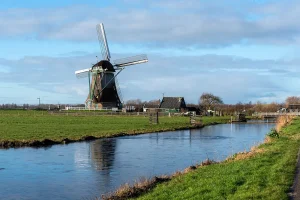
Loosdrecht, a picturesque town in North Holland, has been at the center of escalating tensions. Residents expressed concerns over plans to accommodate asylum seekers, leading to protests. Unfortunately, these demonstrations took a violent turn, involving clashes between protesters and police.
During this period, both pro and anti-asylum groups took to the streets, reflecting deep divisions within the community. The situation intensified when confrontations resulted in injuries and property damage, prompting a strong response from local authorities.
Loosdrecht Mayor Apology and Call for Unity
The mayor of Loosdrecht, addressing the town’s residents, extended a sincere apology. Acknowledging that the situation could have been managed better, the mayor emphasized the importance of unity and calm. The apology aimed to foster a spirit of reconciliation, encouraging open dialogue among all community members.
“We must come together and address our differences constructively,” the mayor stated. “This is a time for healing and understanding.” The call for unity was echoed by local leaders who urged residents to engage in conversations that bridge divides and promote peaceful coexistence.
Community Efforts and Future Steps
In response to the mayor’s apology, community groups have initiated efforts to promote dialogue. Workshops and forums are being organized to facilitate discussions on the integration of asylum seekers. These initiatives aim to educate residents on the complexities of asylum policies while addressing local concerns.
Local organizations are also working to provide support to both asylum seekers and residents. By creating platforms for interaction, they hope to dispel myths and build mutual respect among community members.
Background on Asylum Policies
The Netherlands has long been a destination for asylum seekers, driven by conflicts and instability in other regions. As a result, towns like Loosdrecht are tasked with implementing national policies at the local level. This often leads to challenges as communities grapple with the realities of integration.
The recent events in Loosdrecht underscore the broader dilemma faced by many Dutch towns. Balancing humanitarian obligations with local sentiments requires careful navigation and open communication.
What Happens Next
Moving forward, Loosdrecht aims to set an example for other towns facing similar challenges. The mayor’s apology is seen as a step towards healing, but sustained efforts are necessary to achieve lasting peace.
Residents are encouraged to participate in upcoming dialogues and contribute to finding solutions that accommodate both the needs of asylum seekers and the concerns of the local community. The goal is to foster an environment where diversity is embraced and differences are respected.
For more information on Dutch asylum policies, visit the official government website. To learn about community initiatives, check local updates via Loosdrecht police reports.