Loosdrecht asylum shelter decision violent protests
Loosdrecht's asylum shelter decision, made without community input, led to protests. Acting Mayor Mark Verheijen apologizes and vows better engagement.

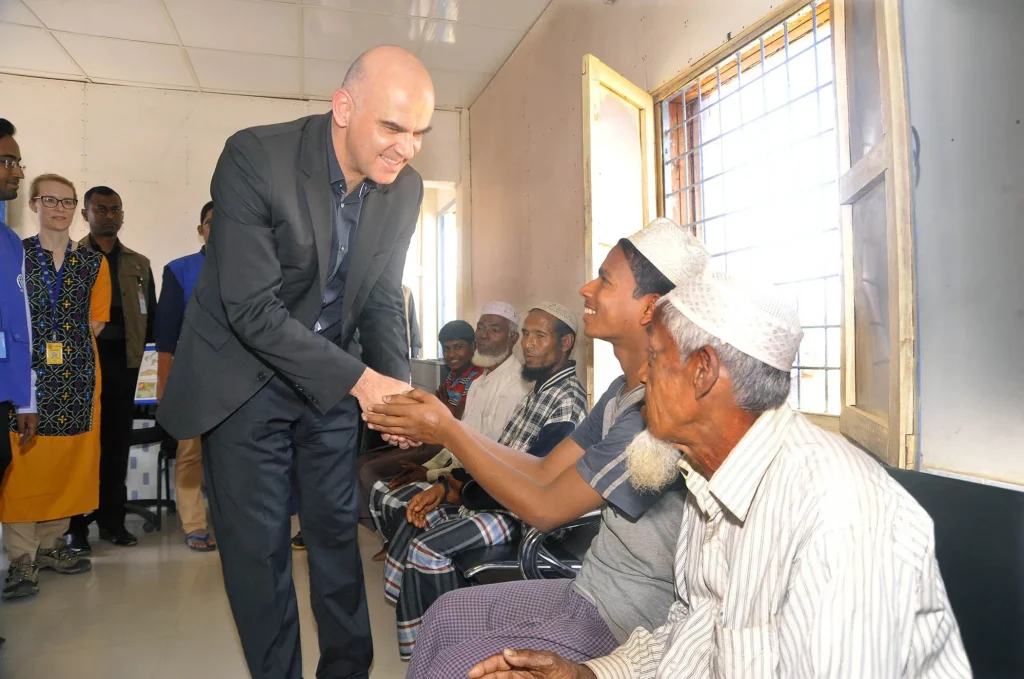
Mayor Mark Verheijen apologizes after protests over unconsulted decision to host 70 asylum seekers at the town hall.
The decision to establish an asylum shelter in Loosdrecht has stirred significant unrest among local residents. Loosdrecht’s acting mayor Mark Verheijen has issued a public apology over the decision to convert the town hall into an emergency shelter for 70 asylum seekers. This decision, made without prior consultation with the community, has led to tensions and protests.
Last month, the announcement to house asylum seekers at the local town hall was made abruptly, catching residents off guard. The lack of community involvement in such a significant decision has sparked outrage. Many residents felt overlooked, leading to recent protests that unfortunately turned violent. The situation has highlighted the delicate balance required in managing asylum accommodations in the Netherlands.
Mayor Verheijen’s Apology
In response to the backlash, Verheijen acknowledged the oversight in excluding the community from the decision-making process. “We should have engaged with our residents before making such a significant decision,” Verheijen stated. His apology was a step towards mending the strained relationship between the local government and the community.
Verheijen emphasized the importance of community dialogue in municipal decisions. He expressed regret over the lack of communication and committed to involving residents in future projects. This promise aims to ensure that Loosdrecht remains a welcoming and inclusive place for everyone, including those seeking asylum.
Impact and Moving Forward
The incident in Loosdrecht underscores the sensitive nature of decisions surrounding asylum shelters in the Netherlands. It reflects the broader challenges faced by local governments in balancing national responsibilities with local sentiments. The violent protests serve as a reminder of the potential for unrest when communities feel ignored.
Moving forward, Verheijen plans to hold a series of meetings with residents to discuss the future of asylum accommodations in Loosdrecht. These meetings aim to foster better understanding and cooperation between the local government and the community. By opening channels of communication, Verheijen hopes to prevent future conflicts and ensure that all voices are heard.
Additionally, the municipality is exploring ways to improve transparency and inclusivity in its decision-making processes. These efforts are crucial in rebuilding trust and ensuring that similar issues do not arise in the future.
The Loosdrecht case serves as a valuable lesson for other municipalities across the Netherlands. It highlights the need for proactive engagement with communities, especially on sensitive topics like asylum accommodation. As the country continues to manage asylum requests, ensuring community involvement will be key to maintaining harmony and support.
In conclusion, the situation in Loosdrecht has brought to light the critical importance of communication and cooperation between local governments and their communities. By learning from this incident, Loosdrecht and other Dutch towns can work towards more inclusive and peaceful solutions for hosting asylum seekers.
For more information on how Dutch municipalities are managing asylum accommodations, visit Rijksoverheid or follow updates on Politie.nl.