Chola plates return boosts India-Netherlands cultural ties
The Netherlands returns the historic Chola Plates to India, marking a significant step in cultural diplomacy and historical justice.

Netherlands returns historic Chola Plates to India, strengthening cultural bonds and historical justice.
The Chola Plates return marks a pivotal moment in the cultural relations between the Netherlands and India. These ancient artifacts, held by Leiden University since 1862, are set to be formally handed back during Indian Prime Minister Narendra Modi’s visit to the Netherlands. This gesture underscores a commitment to historical justice and international cooperation.
Significance of the Chola Plates
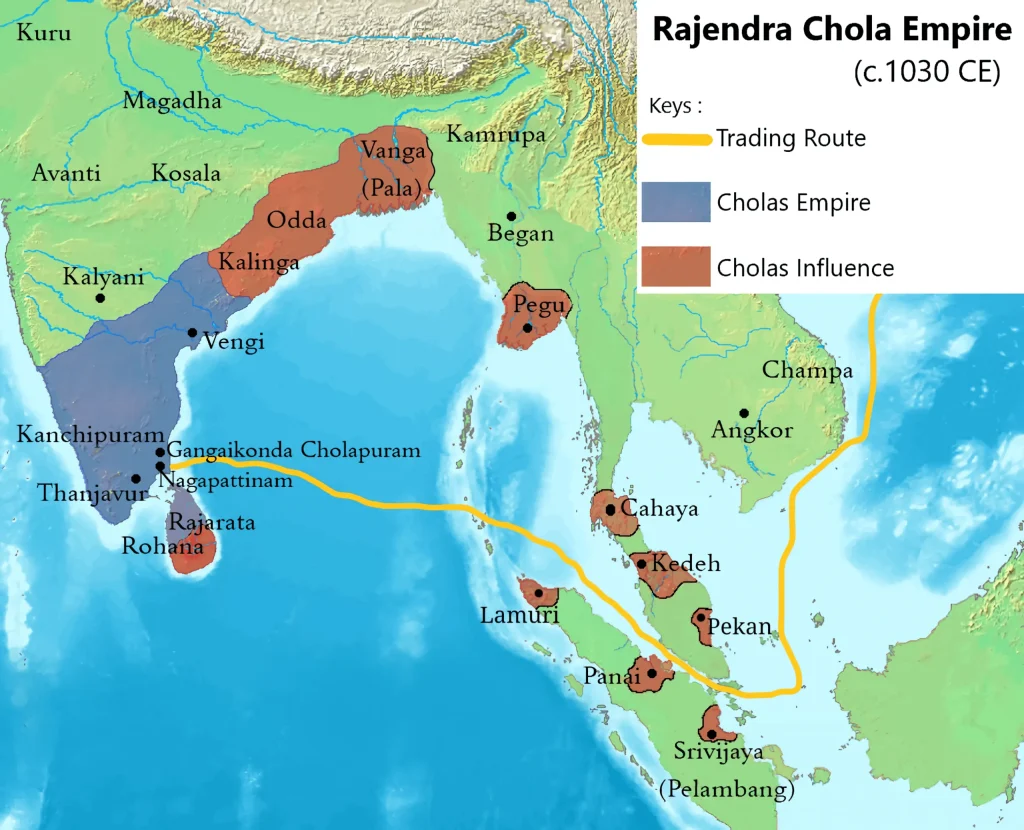
The Chola Plates are not just relics; they are vital pieces of history. Originating from the Chola dynasty, these plates detail rights related to a Buddhist shrine in India. Their return is a recognition of their cultural and historical importance to India. Leiden University, known for its extensive historical collections, has preserved these artifacts for over 160 years. Now, they will be part of India’s national collection, available for public viewing and academic study.
The plates’ return aligns with broader international efforts to repatriate cultural artifacts. Many countries are re-evaluating the historical contexts in which artifacts were acquired. This move by the Netherlands is a step towards addressing historical imbalances and fostering goodwill.
Strengthening Cultural Ties
The timing of the return is significant. It coincides with Prime Minister Modi’s visit, highlighting the strengthening diplomatic and cultural ties between India and the Netherlands. Both nations see this as an opportunity to deepen their relationship through shared cultural heritage.
India and the Netherlands have a long history of collaboration, from trade to education. The return of the Chola Plates adds a cultural dimension to this partnership, emphasizing mutual respect and understanding.
Moreover, this act of goodwill is expected to encourage further cultural exchanges and collaborations between Dutch and Indian institutions. The focus on cultural diplomacy can lead to increased tourism, academic partnerships, and joint cultural projects.
For India, receiving the Chola Plates is a moment of pride. It represents a successful effort in reclaiming a piece of its history. For the Netherlands, it is a chance to demonstrate a commitment to cultural justice and to enhance its role as a responsible global partner.
The return of the Chola Plates is more than a transfer of artifacts; it is a symbol of reconciliation and cooperation. By returning these artifacts, the Netherlands acknowledges the historical significance and rightful place of these cultural treasures.
This event sets a precedent for future repatriations. Other institutions and countries may follow suit, furthering the global movement towards historical justice. The Chola Plates’ return could inspire similar actions, promoting a more equitable sharing of cultural heritage.
As these artifacts are integrated into India’s national collection, they will serve as a reminder of the shared history and the new chapter of collaboration between the two nations. The Chola Plates’ return is a testament to the power of cultural diplomacy in bridging nations and fostering a shared future.