A35 Blockade: Farmers Avoid Fines in 4-Kilometer Protest
Farmers blocked the A35 near Almelo, a city in the Netherlands, concealing license plates to avoid fines, protesting against nitrogen policies.

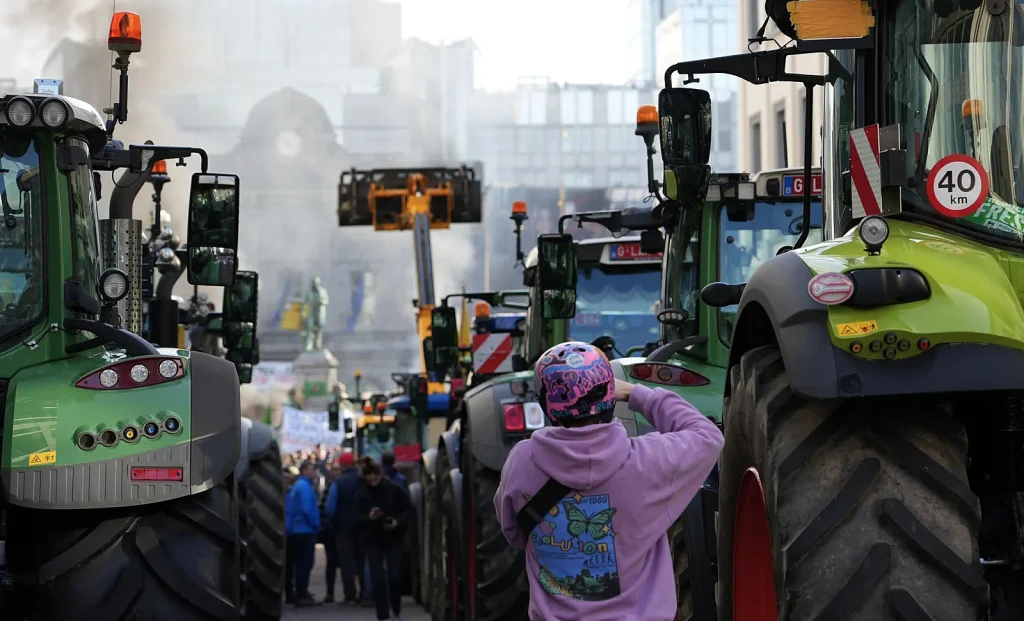
Farmers block A35 near Almelo, concealing license plates, avoiding fines amid nitrogen plan protests.
Farmers protesting against the Dutch government’s nitrogen policies managed to block the A35 motorway near Almelo, a city in the Netherlands, without facing fines. Police intervention was hindered as the farmers had hidden their license plates, making it difficult to issue fines.
Protest Against Nitrogen Policies
The protest highlights ongoing tensions between farmers and the government over nitrogen emissions. The farmers argue that the proposed policies threaten their livelihoods. They believe that the measures are too stringent and could lead to the closure of many farms across the country.
During the blockade, farmers used their tractors to create a significant disruption. The A35, a crucial route for commuters, was brought to a standstill. Despite the disruption, the farmers saw the protest as a success, drawing attention to their cause.
Challenges for Authorities
The police faced challenges in managing the protest. With license plates obscured, identifying and fining the participants became impossible. This incident shows the difficulties authorities encounter in handling protests that employ such tactics.
A spokesperson for the police stated, “While we understand the farmers’ frustrations, blocking a motorway is illegal. However, without visible license plates, pursuing fines is not feasible.” This inability to enforce fines may embolden future protests.
In response to the protest, the government reiterated its commitment to reducing nitrogen emissions. Officials argue that these measures are necessary to protect the environment and comply with EU regulations.
Background on Nitrogen Policy
The Dutch government’s nitrogen policy aims to cut emissions to meet environmental targets. These plans have been a source of contention, particularly among farmers who feel unfairly targeted. The policy includes reducing livestock numbers and changing farming practices, which many farmers view as a threat to their way of life.
Environmental groups support the government’s stance, citing the urgent need to address climate change and protect biodiversity. However, the balance between environmental protection and agricultural livelihoods remains a contentious issue.
What Happens Next?
As tensions remain high, the government faces pressure to find a compromise that satisfies both environmental goals and the agricultural sector. Dialogue between stakeholders is essential to prevent further disruptions.
Farmers have vowed to continue their protests until they see meaningful changes in the proposed policies. Meanwhile, authorities are reviewing their strategies to better manage such demonstrations in the future.
This incident on the A35 serves as a reminder of the complex challenges facing the Netherlands as it strives to balance economic interests with environmental responsibilities.
For more information about the Netherlands’ nitrogen policies, visit the rijksoverheid website. Details on traffic management during protests can be found on the politie website.