Ameland rescue mission saves 32 stranded mudflat hikers
The Ameland rescue mission saved 32 mudflat hikers, highlighting the risks of outdoor adventures and the need for emergency readiness.

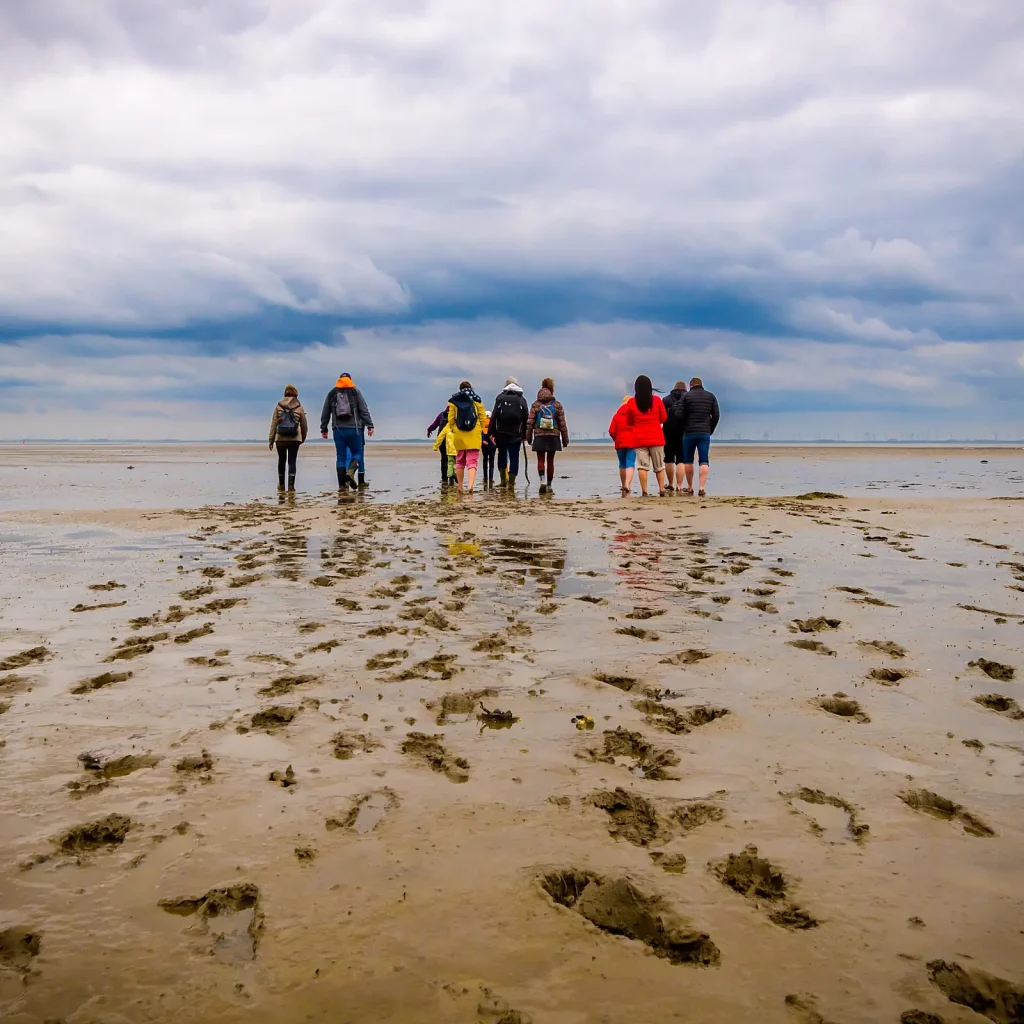
Rescue operation near Ameland highlights risks of mudflat hiking as 32 people face hypothermia during traditional night hike.
The Ameland rescue mission dramatically saved 32 stranded mudflat hikers, highlighting the risks associated with this popular outdoor activity in the Netherlands. The hikers, including four guides, were caught off-guard by rising tides during an early morning trek near the island of Ameland, an island in the Wadden Sea.
The Dutch national sea rescue institution KNRM quickly launched a rescue operation using both boats and helicopters. The hikers faced hypothermia-rescue-ameland/”>hypothermia as they waited for help during the annual night hike, a beloved tradition for many enthusiasts. Despite the challenging conditions, all participants were safely brought to shore and are now recovering well.
Challenges of Mudflat Hiking
Mudflat hiking, or ‘wadlopen’, is a unique and adventurous activity that involves walking on the seabed during low tide. While it offers breathtaking views and a chance to explore the Wadden Sea’s rich biodiversity, it also poses significant risks. Tides can change rapidly, leaving hikers stranded and at risk of hypothermia, as happened during this recent incident.
The annual night hike near Ameland is particularly popular, drawing participants eager to experience the serene beauty of the area under the moonlight. However, the unpredictable nature of the sea requires thorough preparation and awareness of potential dangers.
Ameland Rescue Mission Highlights Preparedness
The quick response by KNRM underscores the importance of preparedness in outdoor activities. According to the rescue organization, knowing the tide schedules and weather conditions is crucial for safety. Participants should always be equipped with proper gear and accompanied by experienced guides.
During the rescue, KNRM deployed helicopters and boats to reach the stranded group. The operation was a success, thanks to the coordinated efforts of the rescuers and the cooperation of the hikers. The incident serves as a reminder of the critical role that emergency services play in ensuring the safety of those enjoying nature.
Rijkswaterstaat, the agency overseeing Dutch waterways, provides essential information on tides and weather that is vital for planning such activities. Additionally, the Royal Netherlands Meteorological Institute (KNMI) offers weather forecasts that can help hikers prepare adequately.
While the adventure of mudflat hiking continues to attract many, this incident on Ameland emphasizes the need for vigilance and respect for nature’s unpredictability. As participants recover, the event is a testament to the effectiveness of a well-coordinated rescue mission.
For future hikers, this experience serves as both a cautionary tale and an encouragement to prioritize safety. The beauty of the Wadden Sea is best enjoyed with awareness and preparedness, ensuring that such adventures remain safe and enjoyable for all.