Amsterdam Homelessness Crisis: Mayor Halsema Urges Government Action
Mayor Femke Halsema warns of rising homelessness and drug issues in Amsterdam, urging government action for over 15,000 affected individuals.

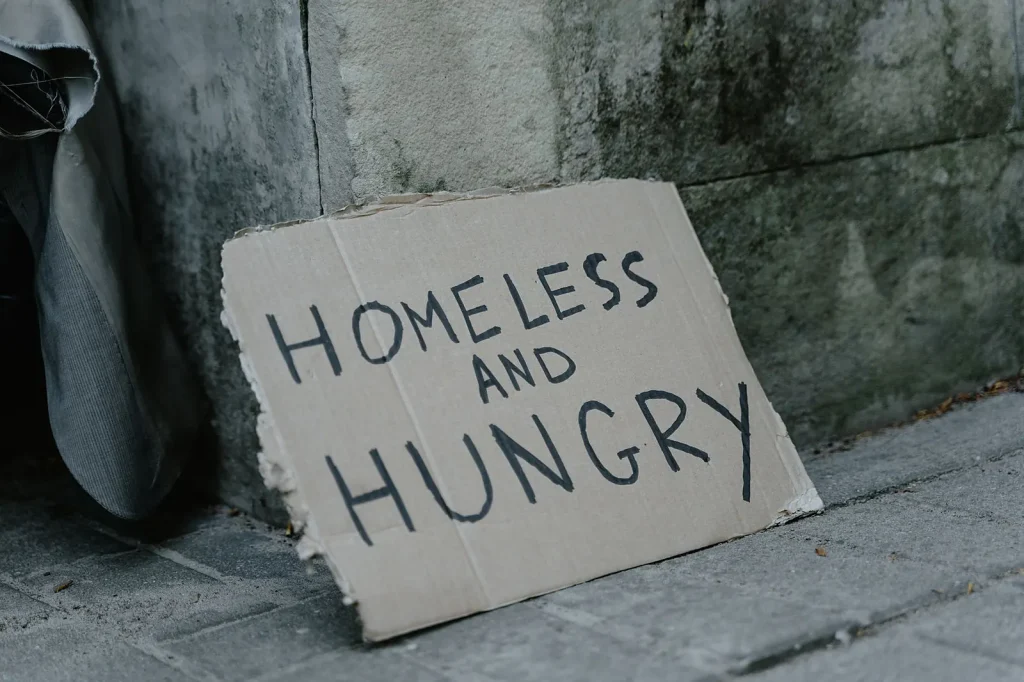
Over 15,000 at risk as Mayor Halsema demands government intervention
Femke Halsema, Amsterdam’s mayor, has raised urgent concerns about the city’s growing homelessness and drug abuse issues. Appearing on a television program, Halsema highlighted the increasing pressure on urban living standards due to these challenges. She urged the national government to take immediate steps to address the crisis.
Currently, more than 15,000 people in Amsterdam are either homeless or at risk of becoming homeless. This alarming figure has prompted Halsema to call for significant measures from the government. She emphasized the need for enhanced mental health services and a reconsideration of migration policies to alleviate the burden on cities.
Rising Drug-Related Issues
The increase in drug-related incidents has further complicated urban life in Amsterdam. Halsema noted that the city faces a severe challenge as drug use contributes to the worsening living conditions. She stressed that comprehensive solutions are needed to tackle these intertwined issues effectively.
Halsema’s call for action includes improving support systems for those struggling with addiction. She believes that better mental health services could play a crucial role in reducing drug dependency and its associated problems.
What this means for people living in the Netherlands
For residents of Amsterdam and other major Dutch cities, this crisis signifies an urgent need for policy changes. Those living in affected areas may experience increased safety concerns and a decline in living standards. Residents are encouraged to support local initiatives aimed at assisting the homeless and those with addiction issues.
The national government is urged to allocate resources towards mental health services and consider migration policies that ease urban pressures. For more information on available services or to get involved, residents can visit the Rijksoverheid website.
Background
Amsterdam, like many urban centers globally, faces a complex challenge with homelessness and drug abuse. The city’s vibrant culture and economic opportunities attract many, yet this influx has strained resources. The housing market’s pressures, coupled with insufficient support for vulnerable populations, have exacerbated the situation.
Halsema’s administration has been vocal about the need for national support. The mayor’s recent statements underline the urgency of addressing these pressing social issues.
What happens next?
Mayor Halsema’s calls for action have put pressure on the national government to respond. It what specific measures will be implemented. However, the immediate focus is likely to be on enhancing support services and revising policies that impact urban centers.
As the situation develops, residents and stakeholders are encouraged to stay informed and participate in discussions about potential solutions. For updates, individuals can refer to local news outlets and government announcements.