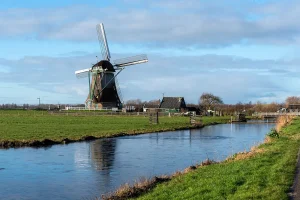
Asylum housing opens in Loosdrecht despite protests
Asylum housing in the town of Loosdrecht opens amid protests, highlighting the balance between community pressure and humanitarian needs.

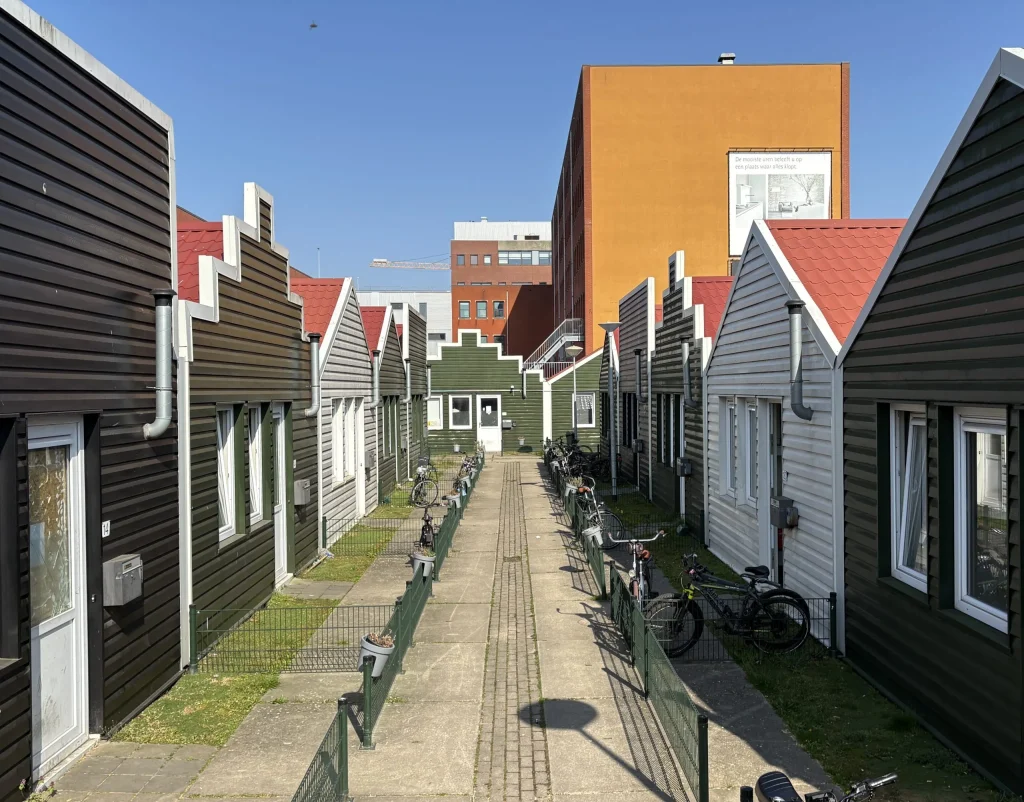
Loosdrecht’s temporary asylum facility welcomes first arrivals amid local opposition and legal challenges.
The temporary asylum housing in the town of Loosdrecht, North Holland, has officially opened its doors despite significant protests. The arrival of asylum seekers marks a critical moment in the Netherlands’ ongoing efforts to provide shelter amidst growing public opposition.
Protests and Court Rulings
Last month, Loosdrecht witnessed strong protests against the establishment of this facility. Residents expressed concerns over the impact on their community, leading to heightened tensions. In an attempt to prevent further unrest, the municipality chose to keep the arrival date of the asylum seekers confidential until today.
Despite the protests, the local court ruled against objections from the community. The court emphasized that humanitarian considerations must take precedence. This decision aligns with broader national policies aimed at ensuring the humane treatment of asylum seekers.
Minister for Housing and Spatial Planning Hugo van den Brink had previously urged municipalities to create additional temporary housing spaces. His appeal highlights the acute shortage of accommodations for asylum seekers across the Netherlands.
Community Response and Government Action
While the court’s decision supports the government’s stance, it has not quelled local dissatisfaction. Many residents feel their concerns have been overlooked. However, officials stress the importance of balancing local interests with national obligations to support displaced individuals.
The municipality of Loosdrecht has promised to monitor the situation closely. They aim to address community concerns while ensuring the safety and well-being of the new residents. By providing regular updates and engaging in dialogue, local authorities hope to ease tensions.
The Dutch government continues to face pressure to find sustainable solutions for housing asylum seekers. The demand for temporary facilities has risen sharply in recent years, driven by global conflicts and migration trends.
For more details on the Dutch government’s asylum policies, visit rijksoverheid.nl.
Background
The debate over asylum seeker accommodations is not new to the Netherlands. Over the past decade, similar situations have unfolded in various towns and cities. Each case underscores the challenges of balancing community interests with humanitarian responsibilities.
Loosdrecht’s facility is part of a broader initiative to provide emergency housing in response to increasing arrivals. The government aims to distribute the responsibility across multiple regions to prevent any single area from becoming overwhelmed.
According to the Dutch national statistics office, CBS, the number of asylum seekers entering the Netherlands has fluctuated, but the need for housing remains pressing.
What Happens Next?
Looking ahead, the situation in Loosdrecht will serve as a case study for other municipalities facing similar challenges. The government plans to continue working with local authorities to ensure that both community and humanitarian needs are met.
Minister Van den Brink’s call for more temporary housing solutions remains urgent. As global tensions persist, the Netherlands must adapt its strategies to manage the influx of asylum seekers effectively.
In the coming weeks, community meetings are expected to take place in Loosdrecht. These meetings will provide a platform for residents to voice concerns and collaborate on solutions that support both the local community and the new arrivals.
The success of Loosdrecht’s facility could set a precedent for future asylum housing projects, illustrating how careful planning and open dialogue can help bridge the gap between opposing viewpoints.