Avian influenza outbreak culls 55,000 chickens in Biddinghuizen
An avian influenza outbreak in Biddinghuizen has led to the culling of 55,000 chickens and the implementation of a 10 km restriction zone.

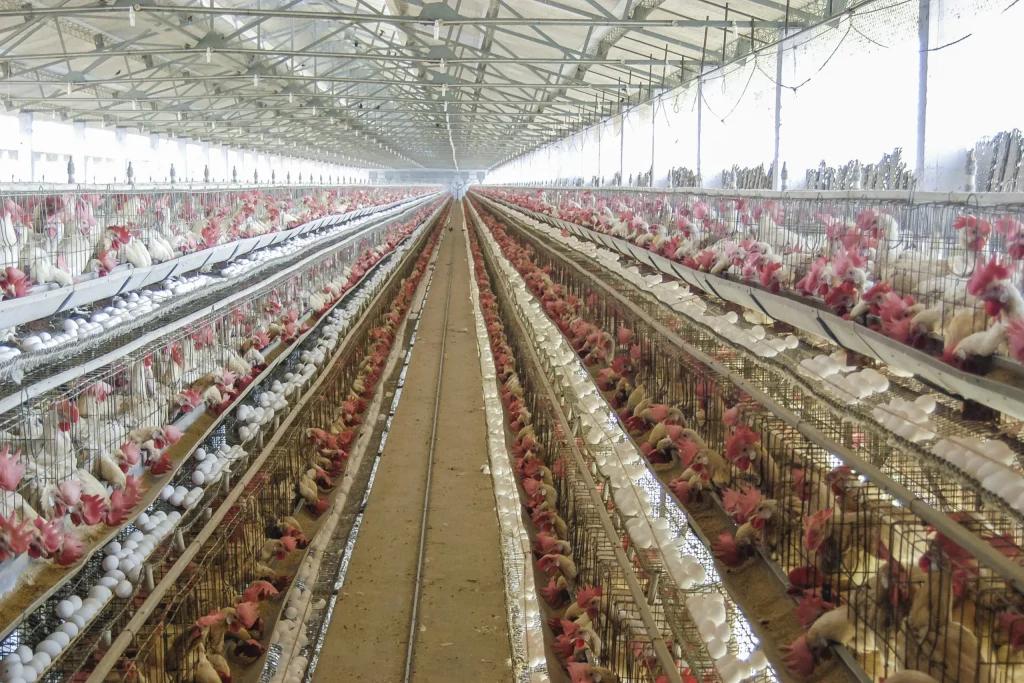
A 10 km restriction zone in Biddinghuizen aims to prevent further spread of bird flu.
An avian influenza outbreak in Biddinghuizen, a town in Flevoland, has led to the culling of 55,000 chickens. The Dutch Ministry of Agriculture confirmed the presence of the virus at a local poultry farm, triggering immediate containment measures.
Impact on Local Farms
The outbreak has significant implications for the local poultry industry. A 10-kilometer restriction zone has been established around the affected farm. This zone prohibits the transport of birds and eggs for a month, impacting 25 other poultry farms in the area. These farms are required to keep their chickens indoors to prevent further spread.
Despite these restrictions, authorities have decided not to reintroduce a nationwide indoor mandate for poultry. This decision comes after similar measures were lifted recently across the Netherlands. The Ministry of Agriculture stresses that the current measures are sufficient to contain the virus locally.
Public Health Concerns
The outbreak raises concerns about public health and the potential for the virus to spread to humans. However, the Dutch government assures that the risk to the public remains low. The culling of infected chickens is a critical step in preventing any potential transmission to humans.
The Dutch public health institute, Rijksinstituut voor Volksgezondheid en Milieu (RIVM), continues to monitor the situation closely. Their experts are working with local authorities to ensure all necessary precautions are taken.
Meanwhile, the public is advised to avoid contact with wild birds and report any dead or sick birds to the authorities. This vigilance is crucial to preventing further outbreaks.
Background on Avian Influenza
Avian influenza, commonly known as bird flu, is a viral infection that affects birds. It can occasionally infect humans, leading to severe respiratory illness. The virus spreads through direct contact with infected birds or contaminated surfaces.
In recent years, the Netherlands has experienced several outbreaks of avian influenza. These have prompted the government to implement strict biosecurity measures to protect both animal and human health.
What Happens Next?
The Ministry of Agriculture will continue to enforce the restriction zone for the full month. During this time, they will conduct regular inspections and testing at the affected farms. Should the virus spread beyond the current zone, additional measures may be considered.
Looking forward, the government plans to review its response strategies to enhance preparedness for future outbreaks. This includes evaluating the effectiveness of current biosecurity measures and exploring new methods to contain avian influenza.
For more information on avian influenza and current measures, visit the official Rijksoverheid website or consult the RIVM.