Corné H. Conditional Sentence Sought After Vught Hostage Incident
Prosecutors in the Netherlands request a conditional prison sentence for Corné H. after a hostage incident at Vught prison.

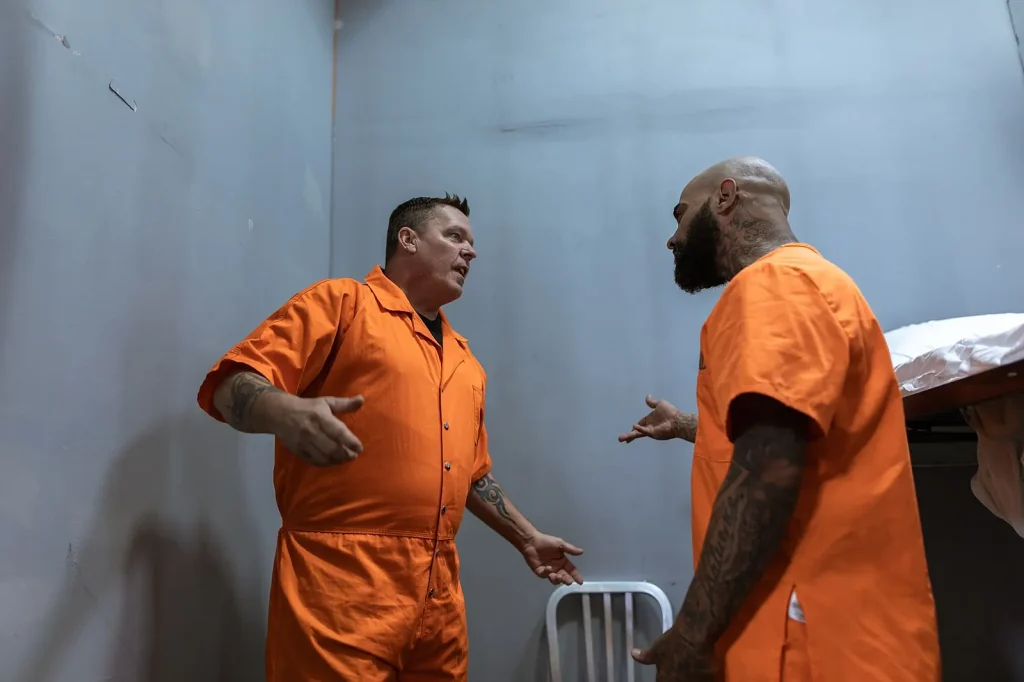
Prosecutors seek a conditional sentence for Corné H., involved in a 2025 hostage incident at Vught prison.
Prosecutors in the Netherlands are seeking a conditional prison sentence for Corné H. after a hostage situation at Vught prison. This case has drawn significant attention to the handling of mentally ill offenders within the Dutch judicial system.
The incident occurred when Corné H., armed with potato peelers, held two prison staff members captive. The situation was resolved, but the psychological impact on the staff and other inmates was considerable.
Corné H. and the Vught Incident
Corné H. was already known to the authorities, having been previously convicted for another hostage incident. At the time of the Vught incident, he was residing in the psychiatric ward of the prison, undergoing treatment. The prosecution’s request for a conditional sentence takes into account his ongoing tbs treatment, a Dutch judicial measure aimed at rehabilitating offenders with mental health issues.
According to the prosecutors, the complexity of H.’s mental health condition is central to their sentencing recommendation. “The mental health of the accused is central to this case,” a spokesperson for the prosecution stated. “We must balance justice with the need for effective treatment.”
The Dutch system of tbs, which stands for “terbeschikkingstelling”, allows for offenders with psychiatric conditions to receive treatment alongside their sentence. This approach is designed to reduce the risk of reoffending by addressing the underlying mental health issues.
Implications for the Dutch Judicial System
The case of Corné H. is not isolated. It highlights broader challenges within the Dutch judicial system when dealing with mentally ill offenders. As more cases like this emerge, there is increasing pressure on the system to provide adequate mental health support while ensuring public safety.
Experts in the field argue that the current facilities and resources are often insufficient to meet the complex needs of these individuals. This has led to calls for reform and increased funding for mental health services within the prison system.
In recent years, the Dutch government has been working to improve conditions for mentally ill inmates. However, the case of Corné H. suggests that more needs to be done. The outcome of this case could set a precedent for how similar cases are handled in the future.
Meanwhile, the staff at Vught prison have received additional training to better handle situations involving inmates with mental health issues. This training aims to equip them with the skills needed to de-escalate potentially dangerous situations.
As the court deliberates on the appropriate sentence for Corné H., the focus remains on finding a balance between justice and rehabilitation. The decision is expected to influence future judicial approaches to managing offenders with psychiatric conditions.
This case continues to be closely monitored by both legal experts and mental health professionals. It serves as a reminder of the ongoing challenges faced by the Dutch judicial system in addressing the needs of mentally ill offenders.